Psoriasis is a chronic autoimmune disease characterised by patches of abnormal skin.
These skin patches are typically red, itchy and scaly. Weather conditions
causes more flares and worsens psoriasis symptoms, such as dryness, itchiness
and thick, red, scaly patches. Cold temperatures, bad weather, dry air and
stress as well as infections like strep, cold and flu make the season super
challenging for people with psoriasis.
Psoriasis seems to occur and spread more
when the skin is drier. That’s because dry skin is stressed and weaker. But
staying indoors isn’t a solution – So how do we tame psoriasis in winter?

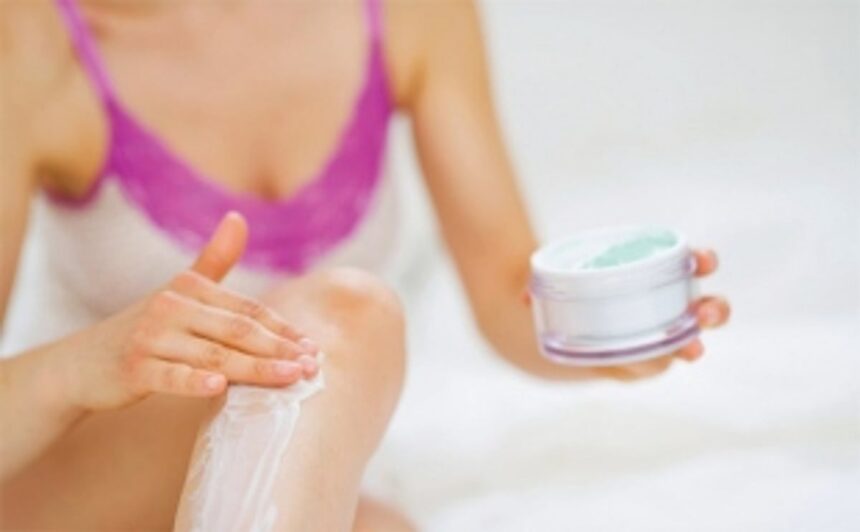
Moisturise liberally two to three times a
day. When your skin is moisturised, it limits water loss across the surface,
soothes irritations and increases softness. It also prevents trauma caused by
scratching. It is best to use a fragrance-free cream moisturiser. Cream
moisturisers are about half oil and half water, so they’re thicker than
lotions.
Since your skin is sensitive, make sure
that you do not scrub. Gently rub scales off while bathing with a washcloth and
soap. Never scrub scales or do anything to irritate your skin or cause
bleeding.
When the weather is chilly, we all crave a
nice hot bath; here it’s important to remember that hot showers dry out the
skin. Instead, take lukewarm showers year-round. Shower in warm water just long
enough to soap up and rinse off. You can relax in the tub, though. Sprinkle
oil, finely ground oatmeal, Epsom salts, or Dead Sea salts in a warm bath. Soak
for about 15 minutes to slough off scales, soothe itching and unwind.
If you like it hot, here is a tip: Before hopping into the
shower, turn the water temperature up high so that the room gets steamy, and
just before getting into the shower, lower the water temperature.This way, the
water touching your skin is lukewarm, but the air around your body stays warm.
When drying off, don’t rub. Pat down right after your shower.
Rubbing can aggravate sores and may even cause new ones.
As the final step for night care, seal in moisture. After gently
towelling off, immediately apply a moisturiser while skin is damp to keep in
the moisture.
As an overall rule, it is most essential to stay hydrated. Drink
plenty of water. (The recommended amount is 1.5 to 2 litres a day.) This helps
keep your skin hydrated from the inside out. You’ll know if you’re getting
enough because your urine will be a pale yellow. If your urine is bright yellow
or dark-coloured, you may need more water.
Winter’s wardrobe of long sleeves and pants may cover up red
patches or lesions. But now you have to pay extra attention to what you’re
wearing. Watch woolies. Stay away from bulky wool clothing, for example, which
can be prickly on sensitive psoriasis-affected skin. Breathable cotton clothes
are best, no matter the season, because they’re the least irritating. Also
beware of synthetic materials like nylon, polyester or rayon. They can cause
sweating, which can make you itchy.
Wear soft layers. Cold weather and wind can irritate your skin
and trigger flare-ups. They can also make psoriasis in your joints more
painful. Bundle up in a soft scarf, hat when you go outside to protect exposed
areas of skin. Dress in layers you can peel off to avoid getting too hot –
sweating can make psoriasis worse. Choose cotton over wool, denim and other
fabrics that are more likely to bother your skin.
Ease stress. The winter holidays are full of cheer, but they
also bring stress, which can make psoriasis worse. Plan time to relax. Try a
massage or spa treatment to moisturise your skin and beat the winter blahs.
Also, exercise relieves stress and may reduce flare-ups.
With psoriasis, overactive T-cells in your immune system attack
healthy skin cells by mistake. It thinks it’s fighting a foreign substance,
like a virus and bacteria. So it makes sense that infections can set off
psoriasis flares.
Medications can also affect your immunity. Psoriasis patients
who take treatments that suppress the immune system, such as methotrexate, face
a greater risk for infections.
The best way to stay healthy during the winter is to prep for
the season. If you know that your psoriasis flares at certain times of the
year, schedule a doctor’s visit during that time – even before flares occur.
Together, you may find ways to prevent common winter illnesses.
The
writers are consultants at VitaNova Clinics, Goa