‘Beauty and the Beast’ has been an integral part
of most children’s childhoods, and has been a story
that they have grown up listening to, reading, and
even watching. The traditional fairy tale was written
by French novelist Gabrielle-Suzanne Barbot de
Villeneuve, and published in 1740. It has since been,
over time, abridged, rewritten, and published, first by
Jeanne-Marie Leprince de Beaumont in 1756 and by
Andrew Lang in 1889, to produce the version(s) most
commonly retold.
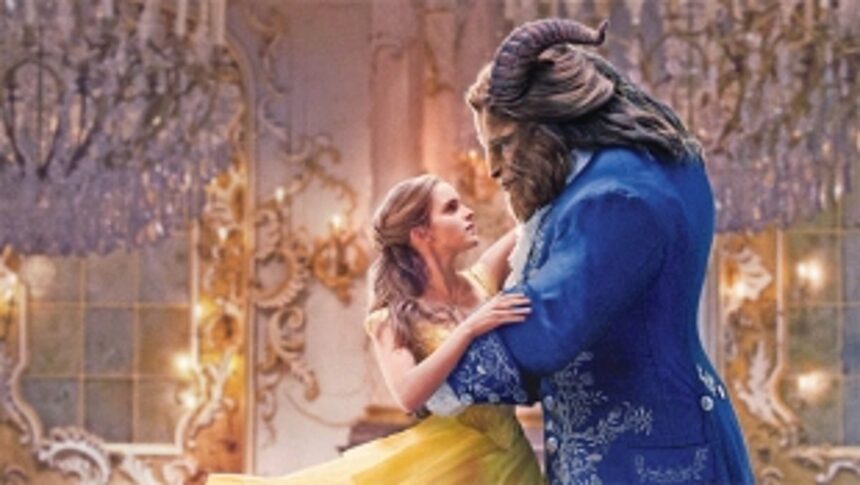
What made it go even more viral was the
1991 Walt Disney Feature Animation; a musical
animated film, directed by Kirk Wise and Gary
Trousdale, something that the film company slated
for this year as a remake. And though the 2017
version of ‘Beauty and the Beast’ looks destined to
become a blockbuster, the movie has been mired
in controversy since last week, when the film’s
director, Bill Condon revealed that the character of
LeFou would be shown questioning his feelings for
antagonist, Gaston. Condon has gone on to admit
that the film concludes with “a nice, exclusively gay
moment,” adding that, “LeFou is somebody who on
one day wants to be Gaston and on another day
wants to kiss Gaston. He’s confused about what he
wants.”
However, this has led to widespread backlash of
international proportions. For instance, the Russian
Culture Minister, Vladimir Medinsky has vowed
to take action against the movie, if it is found to
be in violation of the country’s controversial ‘gay
propaganda’ law. However, it has been stated that
Russia could merely mark it as age appropriate
and place restrictions on that basis. In similar vein,
Alabama’s Henagar Drive-In Theatre said it was
dropping ‘Beauty and the Beast’ from its spring lineup,
citing the movie’s ‘homosexual’ elements.
However, the question being asked here is
simply this. By banning a classic over homosexual
inferences, something that is considered acceptable
in the 21st century, by and large, are we taking our
bans and scrutiny too far?