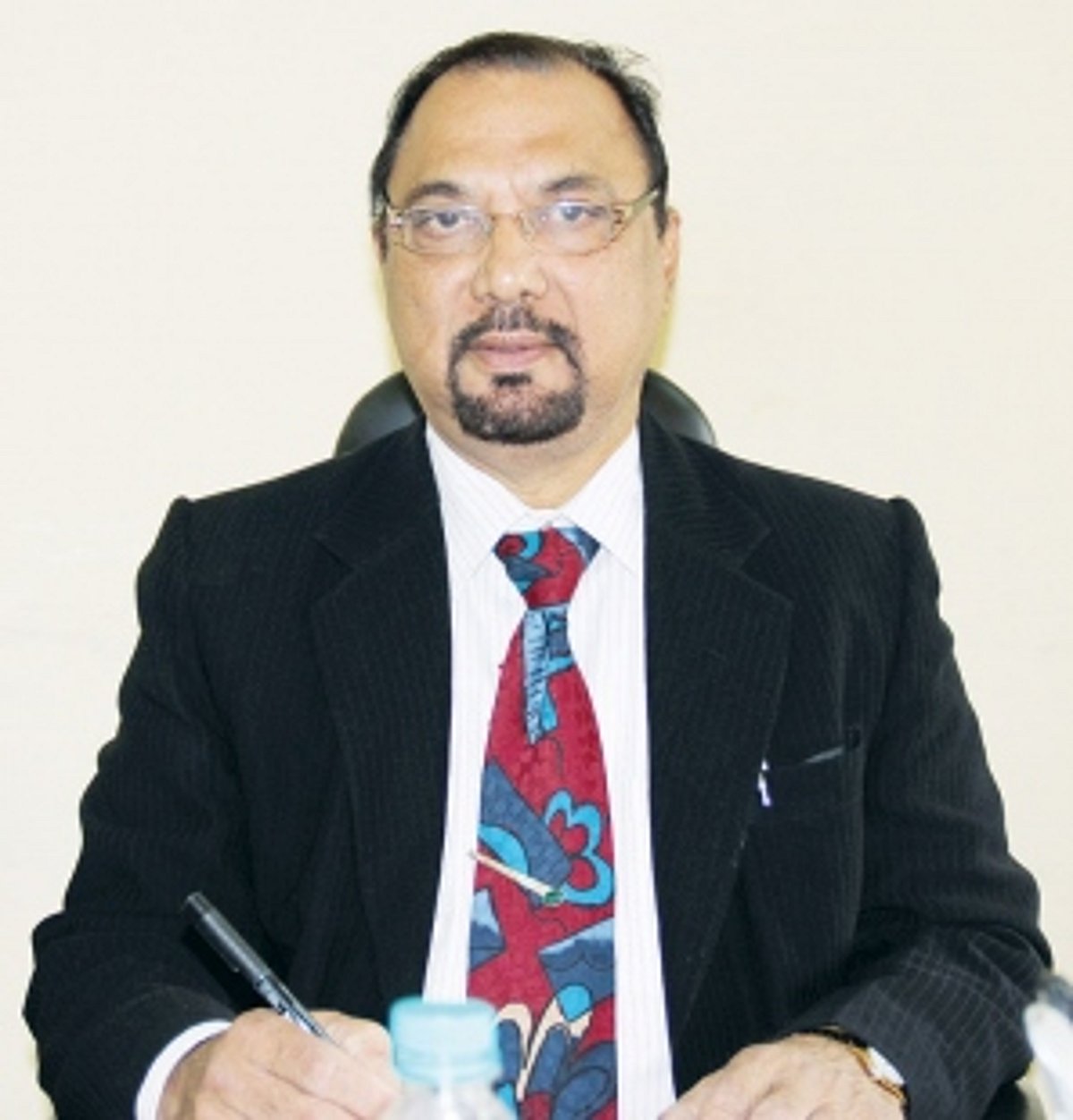
The High Court of Bombay at Goa has quashed the order of the Caste Scrutiny Committee (CSC) declining to verify the caste certificate issued to Mapusa Municipal Council (MMC) councillor Tarak Arolkar. The report from the Social Welfare Department’s CSC and the order pertaining to it by the director of urban development has also been set aside by the Court. It seems as though the question arose due to someone’s personal ambition.
Arolkar was elected to MMC from Ward 7 which is reserved for an other backward classes (OBC) category candidate. An individual filed a complaint alleging that Arolkar does not belong to the respective caste category and contested the elections on a fake caste certificate. The rest of the incident followed after this complaint. Arolkar had indeed presented the caste certificate issued by the deputy collector and SDO and so, there was no reason whatsoever to object to it. When the case reached the Social Welfare Department’s Caste Scrutiny Committee (CSC), they found Arolkar’s father’s birth certificate suspicious. Based on this, CSC cancelled Arolkar’s caste certificate followed by his disqualification/unseating order as a councillor from the director of urban development. This raised the eyebrows of many, as it was known that Arolkar belonged to the OBC category and his disqualification was a surprise to many.

Arolkar in a writ petition had challenged the order in the High Court. When the High Court nixed the orders of both – CSC and Department of Urban Development (Municipal Administration), there was the question of Arolkar’s father’s birth certificate. Another birth certificate was also presented due to the chaotic situation. However, even if the birth certificate proves to be a fake one, it cannot be used to define someone’s caste. To scrutinise the caste, more documents and proofs were required to be checked which neither the scrutiny committee did, nor did they conclude with anything on their own. They also did not check whether Arolkar belonged to the community which he claimed to be a leader of, nor did they re-examine if Arolkar’s family migrated to Goa before the year 1968. They disqualified his caste certificate solely based on the suspicious birth certificate of his father. The Court heard the case and quashed the order.
The issue came to the fore during the hearing as well, that it should have been checked whether the respective person belongs to the respective community or not. Of course, it was also agreed upon that the sufficient documents and witnesses had to be considered before the conclusion. The judgement also underlines that just because one of the documents is suspicious, it does not mean that the person is not from the community. Hence, this judgement would prove to be a guide for future similar cases. So far the case has given the impression that such incidents happen due to personal grudges because regardless of how much a person tries to hide his caste and represent another one, it is not possible. Therefore even if someone submits a fake certificate, it is bound to be exposed some time down the line.
This also brings the discussion to a very important point that there has been no case of someone earning a reserved spot by submitting a fake certificate and then getting disqualified for the same. The ones which still did take place got eventually exposed and few happened due to ignorance. In fact, such cases should be sorted out while filling the application forms. If someone has submitted a fake caste certificate then it should be objected to there and then. There should be agents to identify and examine the applications similar to how it’s done during the voting process. The caste certificate should be ascertained at the very time the person is filling the application. It should be verified whether there are sufficient documents which proves the caste of the person and if someone has an objection towards the documents itself, then they should be examined immediately. That will help in avoiding such incidents. Even if someone realises later that the documents are not reliable then the process applied in Arolkar’s case could be applied anyway. However, such incidents should not take place merely out of personal ill will as it harms individuals for no reason.