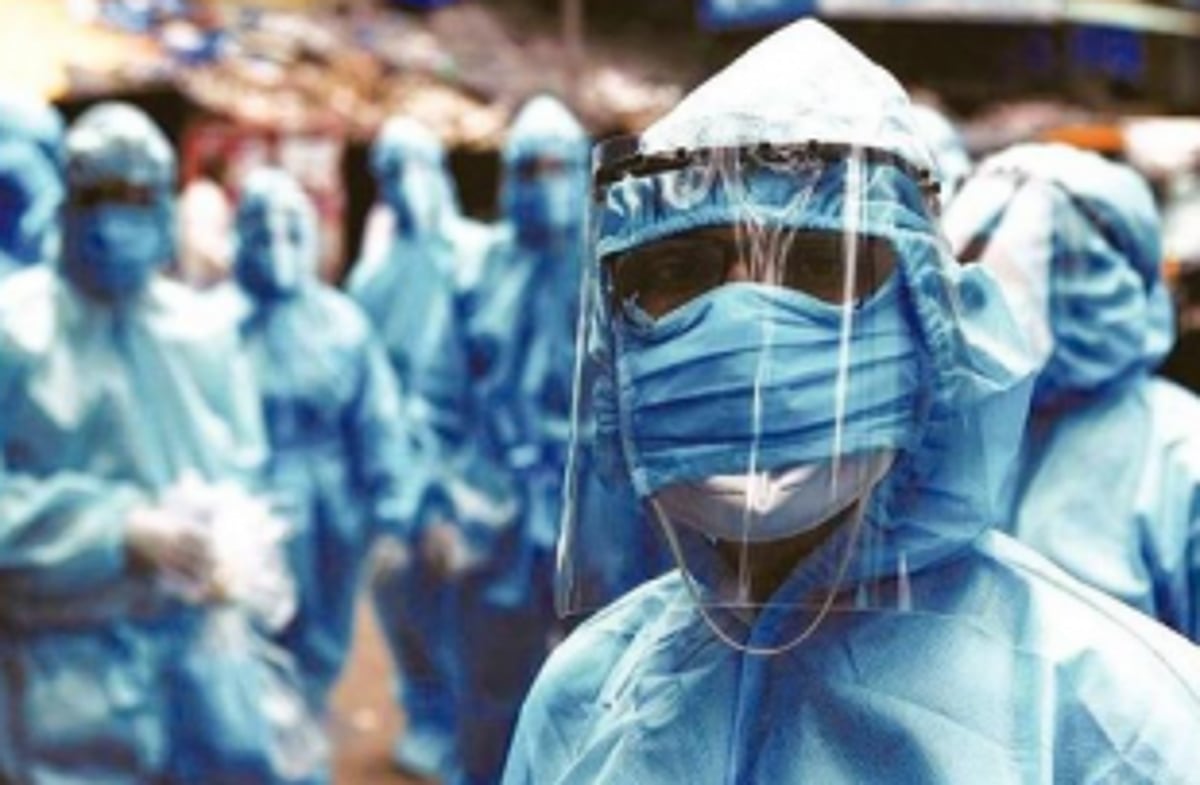
Goa has not shown any omicron cases, the new variant of the coronavirus that has created a scare across the world by its rapid spreading potential. On the other hand, in India there are currently over 430 omicron cases with the numbers growing quickly, forcing States to impose new restrictions on movement of people, with the Centre too suggesting that such measures be adopted where required. In response to the Centre and to the situation in their own States, governments in some have already imposed night curfews, bans on public gatherings and called on people to use masks in public places and maintain social distancing where possible. There are reports that around 50 per cent of those in India who have tested positive for the omicron variant had received both doses of the anti-COVID vaccine, which makes wearing of masks and physical distancing the most effective barriers against the transmission of the virus.
The decision of the Goa task force to not impose new restrictions is because this is the festive season and also the peak tourism week. Essentially, this is the week when there is the highest agglomeration of tourists in Goa, as annually thousands descend upon the State to participate in the Christmas celebrations and to ring in the New Year. The movement of tourists for the New Year is not expected to be any different this time, as despite the pandemic, arrivals have shown an appreciable increase in the past weeks and more are expected. The charter season too has started which will bring tourists from Europe, essentially from eastern countries of the continent.

Against this background, Goa, though no new restrictions have been announced, cannot take it easy. Goa’s test positivity rate has registered a significant jump from 1.8 per cent to 3.5 per cent and this is a major cause for concern. As per the guidelines of the World Health Organisation, a test positivity rate of 5 per cent should lead to additional restrictions in the area. Goa, that had a low positivity rate the past months has started seeing it rise again and so too have the number of cases gone upward. From the 20s the cases moved to around 40 a day and are now at around 60 a day. All the signs of the COVID pandemic registering a spurt in the State are becoming visible and hence all precautions have to be taken, especially by the people themselves for their own safety. The experience of April and May this year, when the second wave hit the State and overlooking the rise in cases hoping they will drop cannot be repeated. Goa has to be alert to signs of the pandemic worsening; keeping also watch on what is occurring in other parts of the country.
Delhi and Mumbai have registered sharp rises in COVID cases in the past days. Doctors are wary that the strain that has become dominant in Europe could also show a similar trend in India. All precautions are necessary to prevent the spread of the virus. Announcing that there was no curfew being imposed, the chief minister said if people follow COVID appropriate behaviour which helps curb the spread of coronavirus, then there will be no need to impose night curfew. It does depend on the people to keep coronavirus at bay, but unless the authorities are strict with the people, the appropriate behaviour will not be followed, especially with the tourists. It has to be the government and the people working together.