Rohit Sinha
As we bid farewell to 2024, the recently concluded ninth edition of the Serendipity Arts Festival offers us a timely reflection: watching Panjim’s civic spaces transform into vibrant cultural hubs reminds us of what our public spaces can be. For ten days, our civic spaces – historical buildings, waterfront promenades, parks and public squares become galleries, performance spaces, and gathering spots – free and open to all.

This annual metamorphosis, supported by a non-profit foundation, isn’t just a festival; it’s a testament to what’s possible when we prioritize public spaces, reimagining them as dynamic third spaces, breathing new life into our urban fabric. With Goa facing unprecedented development pressures, this successful revival of public spaces shows us a path forward.
Third spaces – are the connective tissue between our homes and places of work. They’re the village squares where neighbors gather, the local cafes where friendships form, and the markets where commerce thrives. The most effective and resilient third spaces are the ones we would naturally utilize in-between the first (our home) and second space (our work). These spaces share essential characteristics: they’re accessible, affordable, and foster genuine human connection without the pressure to spend or perform.
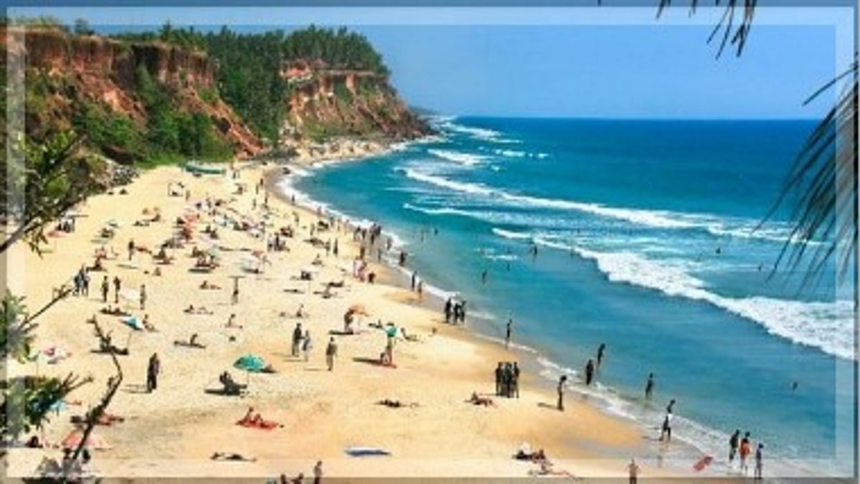
Perhaps nowhere is this more evident than in our beaches – Goa’s most democratic third space. Our over 100 kilometers of pristine coastline are not just recreational havens but vital to our identity – they’re where children first learn to swim, where communities gather for festivals, where environmental movements take root, and where the boundaries between locals and visitors naturally blur in shared appreciation of nature’s beauty.
Yet we risk taking this natural gift for granted. The creeping privatization of beach access, the proliferation of exclusive clubs, and the commercialization of sunset views threaten to fragment these communal spaces. Imagine Goa without its accessible beaches – not just as recreational spaces, but as the living rooms of our community where different social classes, age groups, and cultures naturally mix.
Beyond our beaches, Goa possesses a rich network of traditional third spaces that deserve recognition and revitalization. Our village community halls, once vibrant centers of local life, still hold immense potential for cultural regeneration. The Ravindra Bhavans, designed as cultural centers, could be reimagined as dynamic community hubs. These aren’t just buildings; they’re platforms for community expression waiting to be activated.
The investment in physical spaces and cultural regeneration must not be relegated to an administrative department solely – it must be seen as a top policy priority. The plazas, lobbies, and grounds of our civic buildings are among the most significant public spaces in their neighborhoods. Yet too often, these areas appear sterile and lifeless, failing to foster the kind of social contact that builds community trust and engagement.
The transformation of these spaces during Serendipity shows us another way – how public buildings can become beloved landmarks and centers of civic life. Without deliberate public investment and protection, private actors will increasingly dominate our social infrastructure, leading to walled gardens and exclusive spaces that limit access and erode the spirit of inclusivity.
The success of a third space lies not just in its design, but in its context within community life. They emerge organically in areas where daily life naturally flows: near essential services, within walking distance of homes, in places where running errands can lead to serendipitous encounters. As urbanist Jane Jacobs noted, these regular, random encounters are “the small change from which a city’s wealth of public life may grow.”
In Goa, our third spaces have thrived partly due to economic conditions – reasonable rents have allowed independent, homegrown ventures to flourish. As someone once observed, “rent is the creative director.” When rents stay manageable, creativity and community can thrive. But commercialization threatens this delicate balance. Exclusive enclaves and car-centric developments are creating barriers to the pedestrian-friendly environment third spaces need. If this continues, we lose the natural pathways that lead to community interaction.
The solution isn’t to halt development but to guide it thoughtfully. Three key approaches could help preserve and nurture our third spaces:
First, we need a multi-generational access model that deliberately brings different age groups together. Traditional games in community spaces, skill-sharing between youth and elders, and communal festivals can combat the age segregation that plagues modern society.
Second, we must develop sustainable economic models that benefit local communities without surrendering to pure commercialization. Community-owned cafes, local markets in village halls, and cooperative maintenance models can help third spaces remain viable while serving their social purpose.
Third, we need an inclusive design mandate that recognizes third spaces as essential cultural infrastructure. New developments should enhance, not replace, community spaces. This means creating more rent-free spaces for community use, allowing culture to emerge organically rather than being dictated by purely commercial interests.
To effectively advance such thinking, Goa requires robust institutional backing. I have previously argued in these pages for appointing a Chief Public Realm Officer for Goa – not just as another bureaucratic role, but as a champion who sets standards for how public spaces can evolve into vibrant third spaces.
This position would be pivotal in ensuring our public spaces – from beaches to parks, squares to markets – aren’t just preserved but enhanced as living parts of Goa’s identity. Such institutional support would signal that we value our shared spaces not as mere amenities, but as essential infrastructure for community life.
Let’s recognize that the preservation and creation of third spaces isn’t just about maintaining our quality of life – it’s about protecting the very essence of what makes Goa unique. These are more than just places to gather; they’re the living rooms of our community, the stages where our cultural heritage performs, and the classrooms where generations learn from each other.
The question before us isn’t whether Goa will develop – it’s how we guide that development to preserve and enhance our community spaces. Will we choose to invest in inclusive, distributed spaces for public interaction, or will we allow our social fabric to be fragmented by exclusive enclaves?
As we bid farewell to 2024, let’s commit to making the protection and revitalization of our third spaces a priority for the coming year. From our beloved beaches to our village halls, these spaces are where Goa’s identity is shaped, preserved, and renewed. They’re our inheritance and our legacy – let’s ensure they remain vibrant, accessible, and truly public for generations to come.
(The author is a strategy consultant and writer living in Goa)