A month ago I received a frantic call from friend Albertina Almeida the great activist, writer, thinker and renowned lawyer. This time it was nothing about illegal encroachments in Taleigão or infringement of CRZ regulations elsewhere. Nay! She was disturbed (indeed very puzzled) about the divergent pronouncements on “cholesterol”. “What is the truth? Could I write and clarify?”
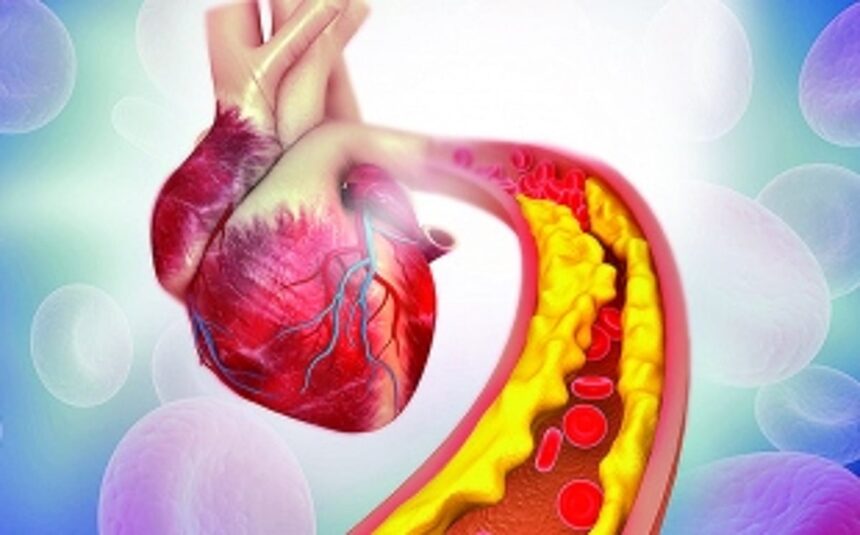
I decided to wait and to do a little perusal of the medical literature. Cholesterol is a waxy substance found in our blood. Our body needs cholesterol to build healthy cells, but high levels of blood cholesterol increase our risk of heart disease. If the blood cholesterol is too high, it builds up on the walls of the arteries. Over time, this buildup is known as “atherosclerosis” which may lead to a heart attack.

No sooner I browsed the wealth of medical information the first thing that emerged was that “it is not true that all cholesterol is bad for us.” Some types of cholesterol are essential for good health. Our body needs cholesterol to perform important jobs, such as making hormones and building cells.
A recent article in the journal Nutrition takes a close look at the current research on dietary cholesterol and the role it plays on blood cholesterol levels and heart disease. The amount of cholesterol in our diet and the amount of cholesterol in our blood are very different things. Although it may seem logical that eating high-cholesterol foods would raise blood cholesterol levels, it usually doesn’t work that way. The body tightly regulates the amount of cholesterol in the blood by controlling its production of cholesterol. When your dietary intake of cholesterol goes down, your body makes more. When you eat greater amounts of cholesterol, your body makes less. Because of this, foods high in dietary cholesterol seem to have very little impact on blood cholesterol levels in most people. However, in some, high-cholesterol foods do raise blood cholesterol levels. These people make up about 30% of the population and are often referred to as “hyperresponders.” This tendency is considered to be genetic.
Even though dietary cholesterol modestly increases LDL (bad cholesterol) in these individuals, it does not seem to increase their risk of heart disease. This is because the general increase in LDL particles typically reflects an increase in large LDL particles — not small, dense LDL. In fact, people who have mainly large LDL particles have a lower risk of heart disease.
Of course, there are exceptions in nutrition, and some individuals may see adverse effects from eating more cholesterol-rich foods. Most people, however, can adapt to a higher intake of cholesterol and dietary cholesterol ultimately has little effect on blood cholesterol levels.
Factors other than cholesterol causing heart attacks
Contrary to popular belief, heart disease is not only caused by cholesterol. Many factors are involved in the disease, including inflammation, oxidative stress, high blood pressure, and smoking. While heart disease is often driven by the lipoproteins that carry cholesterol around, dietary cholesterol, in itself seems to have little or no effect on this.
High-quality research finds no link to heart disease
Other high-quality studies also have shown that “dietary” cholesterol is not associated with an increased risk of heart disease. High-cholesterol foods like eggs have been shown to be safe and healthy. The best evidence available suggests that saturated fat, rather than dietary cholesterol per se, is the major contributor to rise in serum cholesterol. Fatty cuts of meat, full fat dairy products (such as milk, cream, cheese), deep fried fast foods, processed foods (such as biscuits and pastries), takeaway foods (such as hamburgers and pizza), coconut oil, butter and ghee are foods high in (unhealthy) saturated fats and must be avoided.
Should you avoid high-cholesterol foods?
For years, people have been told that a high intake of cholesterol can cause heart disease. However, some studies have made it clear that this is not the case. Many high-cholesterol foods are also among the most nutritious foods on the planet. These include grass-fed beef, whole eggs, full-fat dairy products, fish oil, shellfish, sardines, and liver.
The bottom line
To answer Albertina’s question I would reiterate that high blood cholesterol levels are a risk factor for heart disease. However, “dietary” cholesterol has little or no effect on blood cholesterol levels in most people. More importantly, it appears that there is no significant link between the cholesterol you eat and your risk of heart disease.
The “diet-heart hypothesis” states that saturated fat raises LDL (bad) cholesterol in the blood, which then supposedly lodges in the arteries and causes heart disease. This was originally based on observational studies showing that people who consumed a lot of saturated fat had higher rates of death from heart disease. Even though this hypothesis has never been proven, most official dietary guidelines are based on it. While the issue is still debated, numerous recent studies have found also no link between saturated fat consumption and heart disease.
In summary while the issues are still debated, numerous recent studies have also found no link also between saturated fat consumption and heart disease. We can’t arrive at a dogmatic answer and more research is the need of the hour.
(Dr Francisco Colaço is a seniormost consulting physician, pioneer of Echocardiography in Goa)