Popular movie star Jason Statham has said, “Looking good and feeling good go hand in
hand. If you have a healthy lifestyle, your diet and nutrition are set and
you’re working out, you’re going to feel good.” Physical activities undertaken
on a regular basis helps in building strength and wards off chronic diseases
like cardiovascular disease, diabetes, cancer, hypertension, obesity,
depression and osteoporosis. But this requires optimum strength. Optimum strength
is achieved through training and a well-balanced nutrition. It doesn’t matter
how good or effective your training program is; optimum strength to play a
sport or to perform everyday task emanates from the macronutrients
(carbohydrates, proteins and fats) that are consumed in adequate amount through
our diet. The recommended allowance of nutrients should enable them to achieve
maximum physical performance within the given physiological and biological
attributes.
To maintain a good heart and healthy body,
adequate protein consumption is a must. Unlike fat, protein cannot be stored
but needs to be taken every day. If your goal is to have optimum strength –
muscle building plays a vital role, which is best attained by ensuring you
consume a good deal proteins through your diet along with carbohydrates and
fats.

Proteins are made up of 20 amino acids, of which nine are
considered ‘essential’, which the body cannot make them and therefore needs to
be sourced from the food we eat. The other 12 are classed as ‘non-essential’
and can be produced within your body. ‘High-quality proteins’ such as eggs and
meat offer more muscle-building amino acids than other protein foods and are
therefore considered more valuable sources of protein, particularly if you do a
lot of exercises.
Our
body’s protein requirement also varies, depending on the activity or the sport
we play. Individuals who partake in endurance sports like running marathons,
swimming, gymnastics etc require a protein intake of 1.2 to 1.5 grams per kilogram
of body weight per day. Whereas, activities like hockey, cricket, basketball,
football, volleyball, boxing etc require a higher protein intake of 1.4 to 1.8
grams per kilogram of body weight per day.
—-
Sources of proteins
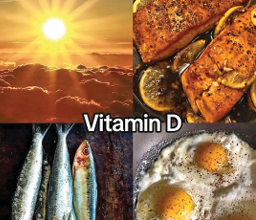
Eggs: Eggs are a great
source of protein and a medium sized egg contains about 6.5 grams of protein.
Fish and seafood: Fish is a good source of protein and even
contain iron & Vitamin B12. Some of the fish are also a power-packed source
of omega-3 fatty acids.
Nuts: Apart from being a good source of protein,
they are also low in saturated fats and contain Vitamin E and other
antioxidants.
Legumes: Beans, lentils and soybean form a great
source of plant or vegan proteins.
Milk and milk
products: Milk and milk
products are packed with proteins. They contain Whey protein and casein which
is also protein.
Chicken: Chicken consists of high-quality protein. Hundred grams of
chicken breast contains about 30 grams (approximately) of protein in 100 gms
i.e. 70% of daily value, which is one of the highest sources of protein obtain
from food. Chicken contains the nine types of essential amino acids for protein
synthesis that our body cannot make itself and so we need to get them from food
sources. It is the best natural and organic supply of proteins for the body
making it the best source people involved in strength training or athletes