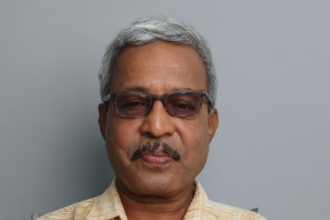
CANACONA: “I have travelled to both developed and developing countries and the road part on the Karmalghat and upto Cuncolim can be categorised as one of the most difficult routes to drive and has a cocktail of anomalies which has resulted in many mishaps some even fatal”, says Anil Bhagat, a senior citizen, known for speaking up on issues concerning his area.
This road is the tail end of Goa, the last winding stretch that has taken lakhs of travellers, over the years, to some of the most breathtaking beaches in the subcontinent. It is also the main arterial connect for Canconkars to Cuncolim and Margao for work or business.

But there is a risk at every bend. There is hardly any shoulder width in most stretches. There are small culverts which could collapse and the bridges being built to replace them have not been complete for years.
Bhagat rightly called them “a cocktail of anomalies” mixed with ironies like the presence of road rules enforcement authorities at blind spots and curves makes the journey even more risk-prone.
This NH66 road from Margao to Canacona has witnessed innumerable mishaps in the recent past. But motorists allege that the PWD (Highways) has not made any effort to rectify the vagaries which exposes the commuters to deadly risks en route each time they travel by this road.
The 50-km stretch requires high priority attention. However, except for some cosmetic modifications, it has remained untouched while the National Highway roads have seen four laning in other parts of Goa.
The locals say except for the recently commissioned 7.4-km bypass road linking Char Rasta to Mashem named after former Chief Minister late Manohar Parrikar, the other portions do not qualify to be called a national highway.
Highways of Woes – Non-completion of minor bridges
The non-completion of three minor bridges of which the construction had started two years ago parallel to the existing narrow bridges has also compounded the situation as accidents continue to happen due to the narrow width of this Portuguese-era bridges.
No shoulder to lean on
As Bhagat pointed out, “There are many places on the road where there is no shoulder at all. A highway should have at least one metre if not more shoulder width on either side, but considerable stretches on this road do not even have 30 cms of shoulders. This has resulted in vehicles meeting with accidents.
Fruit & veggie sellers on the bends: Not a healthy practice
Satish Paiginkar, former deputy sarpanch of Poinguinim speaking to Herald informed that there are at least 200 vendors selling locally-grown seasonal vegetables and fruits. They have erected small structures by using wooden sticks on the edge of the road thereby hindering the free movement of vehicles.
“Most of these vendors are at the turns and in the absence of shoulders, people halt their cars on the road. Though there are two highway patrol cars on Margao-Canacona road, we have not seen any effort on their part to discipline the erring drivers or the vendors”, Paiginkar lamented.
If dead trees are cut, lives can be saved
Diogo da Silva, President of the Association of Businessmen of Canacona says,
“Look at the number of dead and partially dead trees. They are a constant threat to the commuters. Someone’s life can be saved if the dead trees standing on the roadsides are cut, huge trees also are to be trimmed otherwise they might crash down on some unsuspecting commuter one fateful day.”
“The Association has written letters to the authorities to make this road safe for commuting but they have not done much”, he said.