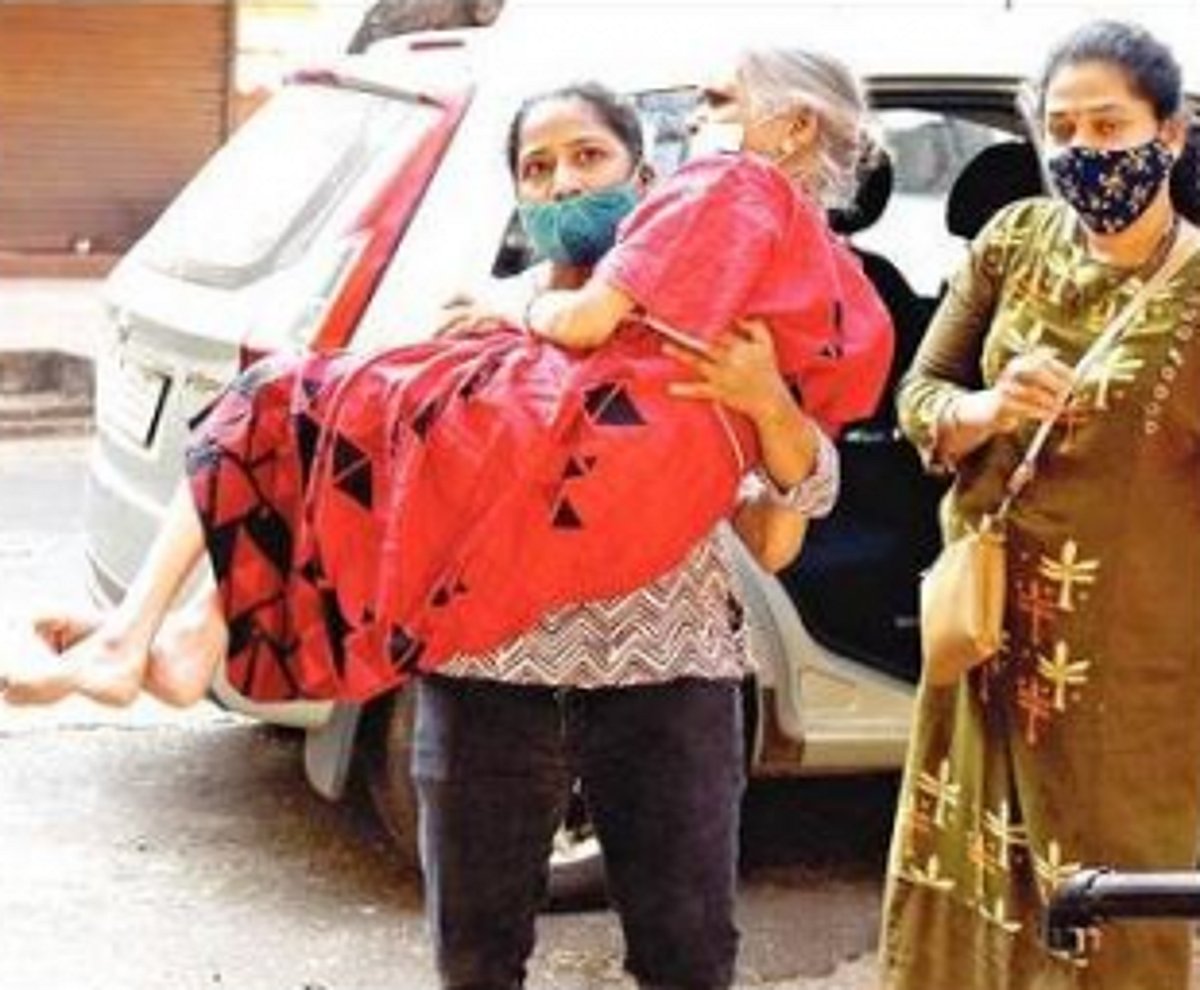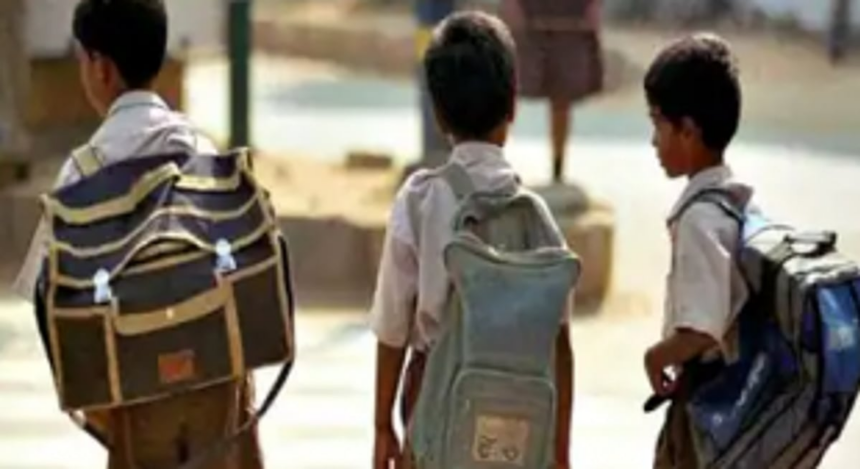
A couple of weeks short of completing two years of not stepping into schools, Goa’s students from Class 1 onwards have finally received the government’s approval to return to classroom learning process. Schools were hurriedly shut in March 2020 as cases of the coronavirus were increasing across the world and in India. Goa, at that point of time, had no cases but as a precautionary measure schools were the first to close their doors. Though institutions of higher education did open in the intervening period, students of the primary classes remained at home throughout, which means that this is the first in almost 24 months that some children will be going to school. For many other children who might have started schooling during the pandemic period, the next week will be the first time they will experience what a school and classroom actually are.
Goa is among the last States in the country to reopen its schools. Most States had opened schools some weeks ago, but Goa had opted to keep them shut. In January the government had first shut schools up to January 26 and then extended the school closure period up to February 15, permitting only online classes primarily due to the increasing number of cases brought about by the third wave. The possibility of schools reopening their gates for physical classes from mid to late February was always there, but it was expected that the government would still tread cautiously and permit mainly the older children to return to school, while keeping the younger ones in the primary and middle classes home for a while longer. This was expected because children below the age of 16 are not yet vaccinated for COVID-19.

During the past two years, students of the higher classes did return to schools but never for long periods as classroom teaching was again stopped whenever the COVID-19 graph showed an upward trend. The intermittent reopening of educational institutions has definitely affected the learning process of lakhs of students in Goa and across the country. From classroom learning they moved to online classes and then a hybrid version where classes were held online and offline. Teachers are students are now going to have to readjust to the discipline of the classroom. It may not be easy for the young children, and teachers will have to ensure that the students adjust as quickly as possible.
Reopening schools within four days of the announcement may also raise some issues with school managements who may not all be prepared for the return to the classroom. However, the headmasters association has welcomed the reopening of schools, underlining the fact that children have missed schooling and interaction with friends of their own age, which are very important aspects of growing up. It is now for the school managements to take all precautions and follow the standard operating procedures laid out by the government when the classroom doors open next week. Yet, the number of schools opening may also depends on how many of these are geared up for this, given the pandemic protocols that have to be followed.
Starting offline teaching with less than two months to go for the end of the academic year also has its advantages as well as some disadvantages. For instance, this period will give school managements, teachers and students a feel of what classroom teaching will be like following all pandemic protocols and so present the opportunity to plug any loopholes when the new academic year begins in June, assuming that the standard operating procedures will still be in place. That will take care of the adjustment period, but with the end of the academic year come the exams and this may play on the minds of the children who may have been prepared for online tests. It won’t be easy, not for the teachers, not for the students, but it had to happen.