TEAM HERALD

MARGAO: Representatives of various village groups and concerned citizens met in Margao on January 26, 2013 and deliberated on the serious problem of concretizing of water bodies and nullahs.
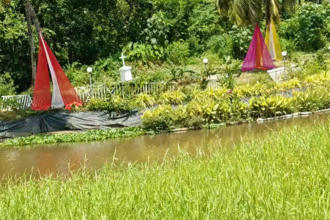
They took serious note of the fact that in the last twenty years or so, Goa’s river banks, ponds, traditional nullahs and other natural sources for water have been ‘strengthened’ with concrete, supposedly to prevent erosion and, in some cases ‘beautify’ the area.
Speakers at the meeting pointed out that the use of concrete had destroyed the ecological balance of water bodies throughout the world, causing great alarm among environmentalists and the general public. “In advanced countries where concretization of water bodies happened forty to fifty years before us, various groups and organizations have now been demanding a halt to the use of concrete, the removal of existing concrete structures, and indeed their replacement by natural materials more suited to the area,” informed activist Sidharth Karapurkar.
The meeting of citizens was clear that Goa did not have to commit the same mistakes and it was imperative that the government in Panjim look to more environmentally conscious ways of restoring our water bodies, preserving and enhancing the prevailing environment, and, more importantly, creating jobs for local craftsmen using readily available natural material.
The meeting concluded by paying tributes to the firm and unrelenting protests by residents of Pilar, Curtorim and Navelim against concretization of lakes and perennial waterways. They noted that this action led the Chief Engineer, Water Resources Department, to issue a circular on August 17, 2012 to all its engineers instructing that only natural materials be used for restoration of nullahs and water bodies.
Citizens felt the need to draw the attention of those concerned that the Chief Engineer’s circular remains only on paper, as tonnes of concrete continue to be poured into our sensitive water bodies and nullahs every day, choking all forms of life therein, and further polluting our precious water resources.