Kollakkayil Devaki Amma is a grassroots environmental conservationist from Kerala who has spent more than four decades dedicated to afforestation and the protection of biodiversity. A member of the Kollakkal family from Muthukulam in Alappuzha district, she was recognised at the age of 92 for her lifelong commitment to ecological conservation at the community level. Her efforts have been focused almost entirely within her home region, an area marked by coastal sandy soil and sparse forest cover. Working in the Alappuzha district without institutional support or major funding, she steadily transformed barren land into a flourishing green space. Through consistent and patient effort, she nurtured dense vegetation comprising over 3,000 rare indigenous and medicinal plant species. Her work has led to significant improvements in local biodiversity, strengthened soil stability, and enhanced microclimatic conditions, turning the area into a living model of successful ecological restoration.

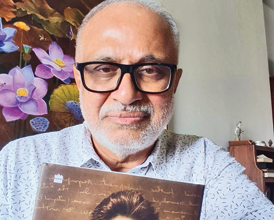
The 76-year-old, second son of Marigowda and Ningamma, has built a remarkable collection of over 20 lakh books housed in a large building under the Ankegowda Foundation. M Anke Gowda, founder of the free-access library ‘Pustaka Mane’ in Haralahalli village of Mandya district, Karnataka, has been awarded the Padma Shri in the Unsung Heroes category. Inspired by Kannada professor K Anantaramu, Gowda began collecting books while working as a timekeeper at the Pandavapura Cooperative Sugar Factory. Learning that the small house was full of books, businessman Hari Khode built a large building for Rupees 80 lakh to keep the books at the facility named Pustakada Mane. The library hosts books in many languages, including 2,500 on Mahatma Gandhi, and has been visited by leaders like Rahul Gandhi and H D Kumaraswamy. A Rajyotsava awardee, Gowda also features in the Limca Book of Records.
From the hills of Assam’s Karbi Anglong region, folk singer Pokhila Lekhthepi has reacted with both joy and disbelief to being chosen for the Padma Shri award. The 72-year-old artiste, fondly known as the “Queen of Melody,” has devoted more than five decades to preserving and performing the folk music and cultural traditions of the hills, earning widespread adulation and numerous honours over the years. Speaking to PTI over the phone, she expressed her emotions, saying, “I am very happy but also surprised that a singer like me from the remote area of Karbi Anglong has been honoured by the Union government.” Through her long career, Lekhthepi has composed over 300 folk songs, playing a key role in taking Karbi music (traditional folk music of the Karbi tribe) to audiences across Assam and beyond, and securing a lasting place in the hearts of listeners.
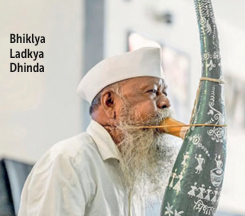
Bhiklya Ladkya Dhinda has spent nearly eight decades ensuring that a centuries-old tribal art form does not fade into history. A native of Walvanda village of Maharashtra’s Palghar district, he belongs to a family that has played the Tarpa for nearly 150 years, making him the third generation to continue the tradition. The Tarpa, a wind instrument crafted from bamboo and gourd, ranges from five to ten feet in length and holds deep ritual significance in Warli and Vanvasi ceremonies. Dhinda is among the very few practitioners who have retained the original ceremonial and cultural essence of Warli traditions. His mastery has earned him several honours, including the Tarpa Shiromani, Sankrutik Senani, and the Sangeet Natak Akademi award. Widely regarded as the finest living exponent of the Tarpa, he stands today as the sole surviving legend of this rare musical heritage. Long after retirement, Inderjit Singh Sidhu, an 88-year-old former IPS officer, has found renewed purpose in an act as simple as sweeping. His unwavering commitment to cleanliness in Chandigarh earned him the Padma Shri, recognising a form of service rooted in discipline and everyday action. Each morning at 6 am, Sidhu steps out to sweep the streets, collect litter, and ensure its proper disposal. What began as a personal initiative has gradually inspired those around him, with family members and Pokhila Lekhthepi neighbours often joining his daily routine. Despite early criticism, he remained undeterred. “When people called me crazy, I didn’t mind. I like a clean place, so I clean. I’ll keep doing it as long as I can,” Sidhu said in an interview. His efforts gained nationwide attention after going viral on social media in 2025, drawing appreciation from industrialist Anand Mahindra. Sidhu hopes to see Chandigarh ranked No. 1 in the national cleanliness survey, proving that sustained individual effort can spark collective change