The US has reinstated its blockade of Iranian ports following renewed attacks in the Strait of Hormuz, raising fears of a wider conflict and disruptions to global energy supplies.
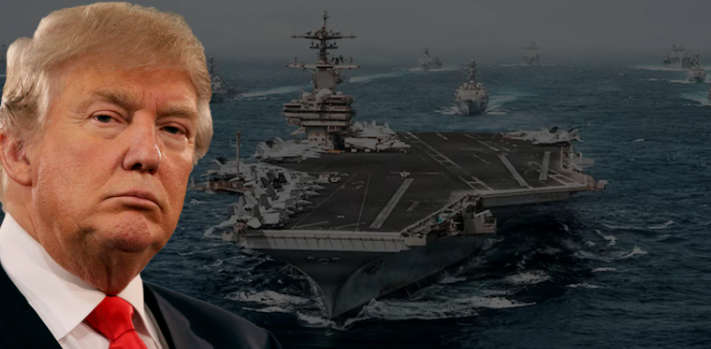
The United States has reinstated its blockade of Iranian ports following renewed attacks by Iran on commercial vessels in the Strait of Hormuz, marking a significant escalation in regional tensions as an interim ceasefire agreement begins to collapse.

The US military announced on Tuesday that the blockade had been reimposed in response to Iran’s actions against commercial shipping in the strategically important waterway. The move comes amid growing concerns that the fragile truce could give way to a broader military conflict.
The blockade was initially imposed in mid-April before being lifted in mid-June, shortly after an interim peace agreement was signed. The deal was intended to pave the way for a permanent end to hostilities while allowing both sides 60 days to negotiate an agreement on Iran’s nuclear programme. However, those negotiations have stalled as tensions and clashes in the Strait of Hormuz have intensified.
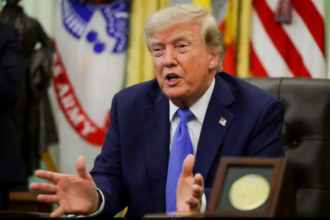
US President Donald Trump announced the return of the blockade on Monday. He had also proposed imposing a 20 per cent fee on ships transiting the Strait of Hormuz but later withdrew the plan after Gulf allies reportedly requested that the measure be dropped.
The interim agreement had aimed to restore safe passage through the Strait of Hormuz, a critical global energy corridor, while diplomats worked toward a long-term peace settlement. Instead, renewed hostilities have once again heightened fears over global energy security, disrupted regional stability and prompted warnings for commercial airlines operating in the area.
Ahead of reinstating the blockade, the US military conducted another round of strikes, according to an unnamed US official who spoke to The Associated Press on condition of anonymity due to the sensitive nature of the operation.
Meanwhile, Iran criticised the US action, with Deputy Foreign Minister for Legal and International Affairs Kazem Gharibabadi stating in an interview broadcast by state television that Washington was attempting to prevent Tehran from exercising what he described as “effective sovereignty” over the Strait of Hormuz.
(This story is published from a syndicated feed)