It brings joy to see a single tree blossom and bear fruit… and that joy is multiplied when a spot of
barren land or one that is sparse, bears trees. Goans are aiming to do
that with the seed bombing technique where seeds will germinate in the coming
monsoons.
DMD-Youth Adventure Club, Benaulim along with other
associated trekking clubs, NGOs and nature–loving
citizens have organised a seed bombing project that will go on till September 20, 2017. The plan is to drop at least 10,000 seed bombs during the rainy season. The seeds selected are endemic to the
region. With monsoon rain, the plants will germinate and grow into trees. “The first seed bombing event took place in
Netorlim, Sanguem. We distributed 65 study lamps to poor children of remote
villages of Goa (Western Ghats region). Along with solar lamps, we also
distributed seed bombs to school children and villagers and educated them about the importance of planting
trees and the Mission
Green Goa,” explains Suprajit Raikar, President of DMD Youth Adventure Club.

Seed bombing is a technique of introducing vegetation to
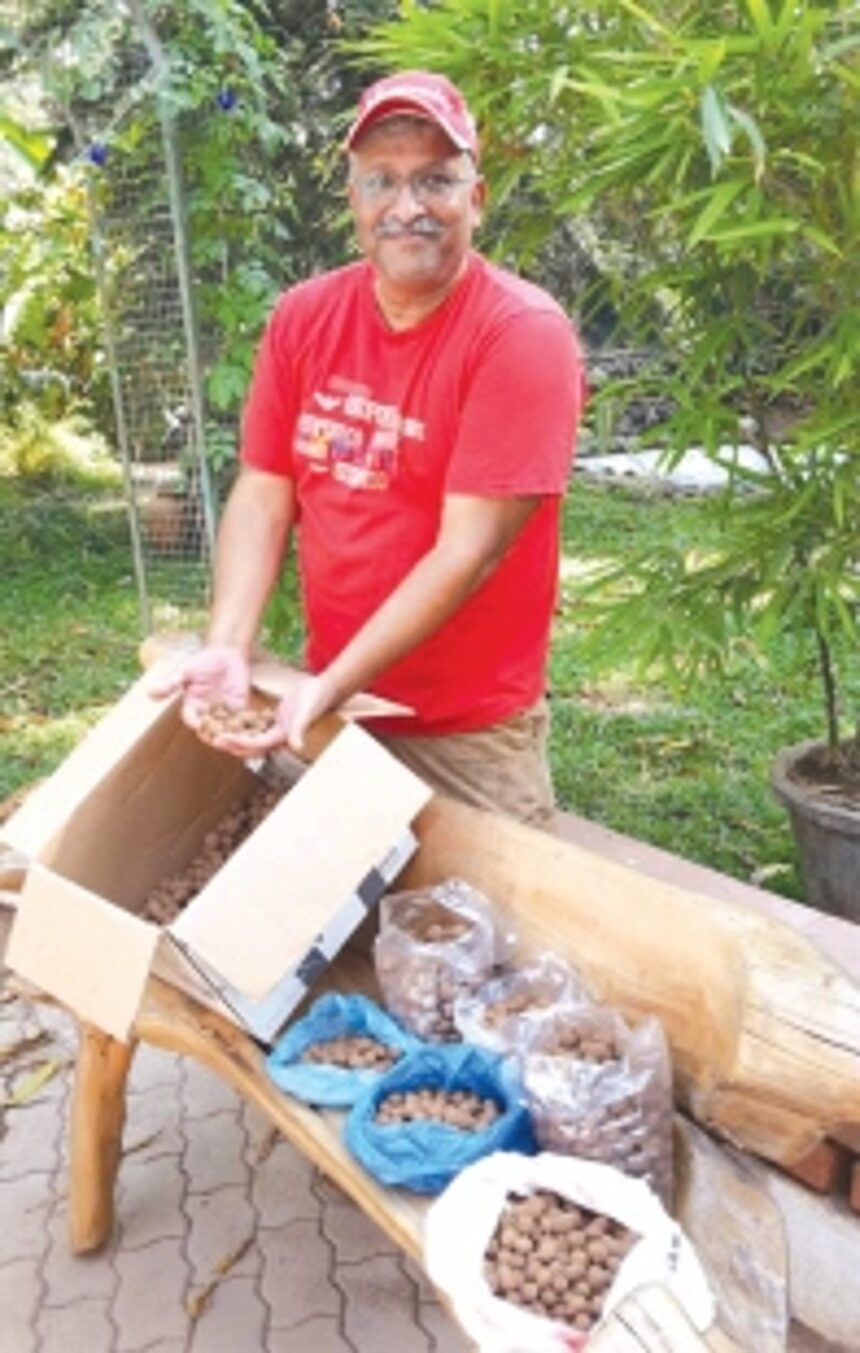
land by throwing or dropping seed balls. The seed bombs are created when the
seeds are mixed with 70 per cent
mud and 30 per cent cow dung and rolled into small but firm
balls. Cow dung can prevent pests and animals from munching down the budding
trees. The seed ball has to be planted by making a small 4-5–inch hole in the ground. The ball should be planted partly
in the ground and partly above. With rain water, the plants will start germinating. The
best time to make and plant seed bombs is the monsoon season. The team is working the seeds of endemic fruits such as jamun, jackfruit, kokum, etc.
“First
preference will be given to talukas closer to the Western Ghats region. During the monsoons, we all go for hiking, trekking or
visit waterfalls in the Sahyadri
Ghats. Each person
should carry at least ten seed bombs and plant them in the forest area,” explains
Suprajit, who’s receiving a good response from
interested NGOs and nature-loving citizens. “I would like to appeal all trekking groups, adventure groups, NGOs and the general public to get
associated with the project and bombard at least 10,000 seed bombs this
monsoon,” he adds.
The team is also working on a follow up programme to know
how well the project is working.
“Once seed bombs are dropped, the group has to send an SMS or WhatsApp with the
organisation name, the village/taluka
bombarded with seeds and the number of seeds bombarded. A detailed report of the entire
project would be submitted to Goa Forest Department, Goa State Biodiversity
Board and NABARD,” informs Suprajit.
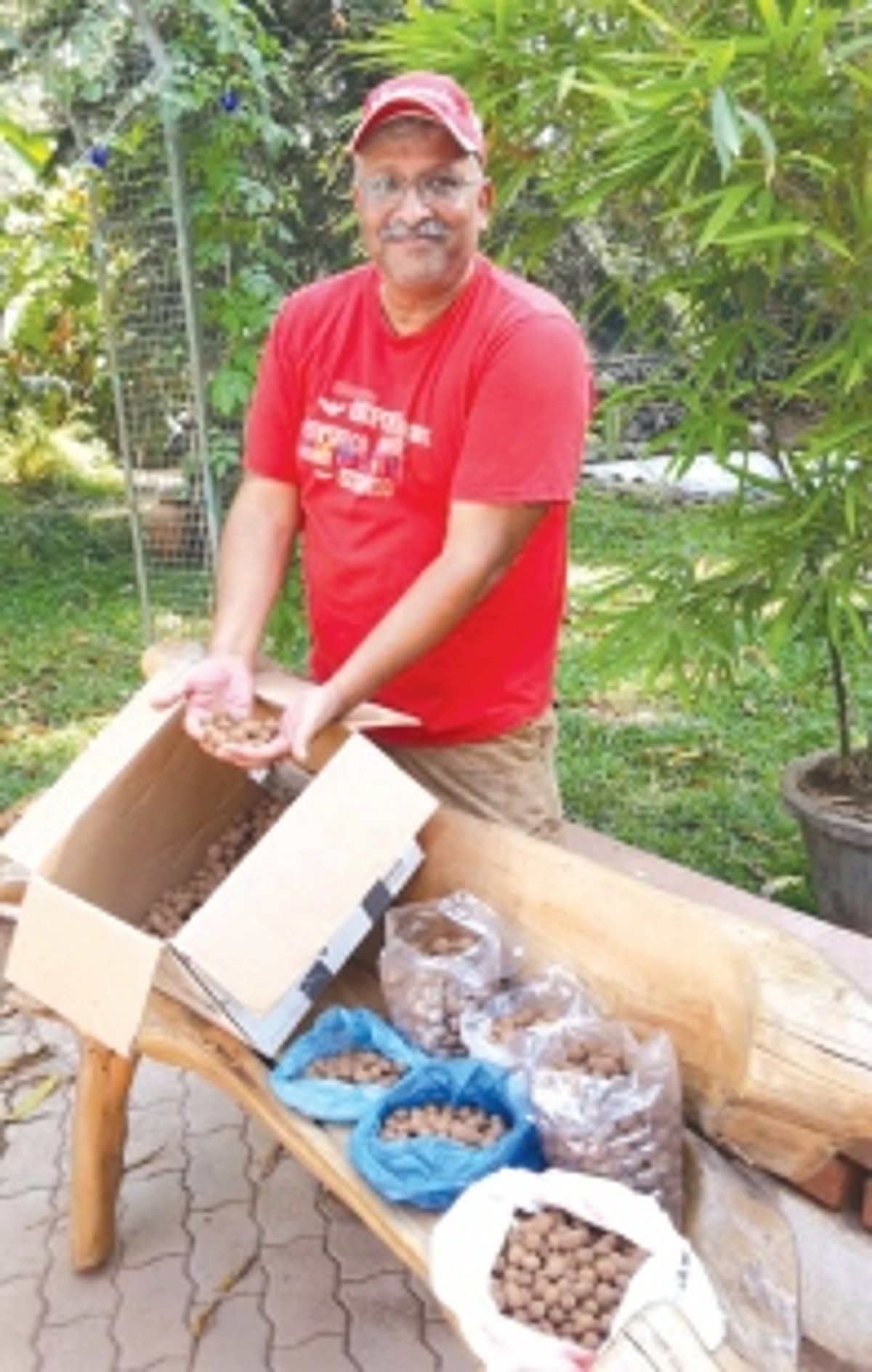
Derek Henriques from Verla, Parra is single–handedly making it a point
to reach out to youngsters and trekkers who would be walking across barren
terrain to grow trees by sprinkling around seed bombs that he has been making for the past few
months. “I came across this idea while I was reading an article on social media
about how a few years ago, Thailand
had tied up with some people from Japan who were doing a similar project. As we all know, Goa
has fairly poor rates and a
shortage of fruits and vegetables. Thus, instead of blaming the government and
doing nothing to make the situation better, I decided to take on this
initiative. This seeding programme deals with the planting of seeds to make up for the
poor rates of agriculture in India. I collect seeds of various fruits,
flowers, creepers and potted plants after which I give them to people who are
going to any hilly areas to plant these seeds there,” says Derek, who runs the
Facebook page, Sowing Wild OATS and Other Seeds.
Over the last few months, he has done two projects,
one in Bicholim and the other around the Aguada hills. He gave each group
a total of 500 seeds. He is now trying to get a family in Sancoale to
plant about 500 seeds in their farm. “I have collected about 2,00,000 seeds.
The seeds are of different varieties which include fruit seeds like musk melon,
watermelon, papaya and jamun. The seeds also include creeper seeds and many
flower seeds,” says Derek. The seeds are sowed in the form of balls of cow dung
and manure. Careful observation has to be made to ensure that these seed balls
are then dried in the sun and without the use of fertilisers or chemicals are
sowed by people who go on treks and trips.
With
inputs from Saher Nischal