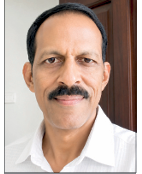
Traditional fishing is one of the few occupations which is still in the hands of ethnic Goans. However, going by the several problems the traditional fishermen are facing, traditional fishing is truly in troubled waters. Though traditional fishermen have orchestrated their problems at several fora and various levels of the government, their problems are yet unresolved, threatening the very survival of this age-old occupation.
Illegal fishing in Goan waters by trawlers from outside Goa is one of the biggest problems traditional fisherman face, which is a major threat to their livelihoods. This fishing is mainly in the form of bull trawling, where two boats drag nets and catch huge shoals of fish. A huge number of boats – about 16 to 24 in number – descend on Goan waters at a time and scoop all the fish. The traditional fishermen have complained several times about this occurrence but their complaints have fallen on deaf ears.

The second major problem which has cropped up recently is LED fishing, where bright lights are used by trawlers from Goa to attract fish. This also has a deep impact on the quantity of fish which is taken out from the water, threatening the very survival of the traditional occupation.
The third major problem faced by traditional fishermen is fishing by trawlers in coastal waters – within the five nautical miles zone. After a prolonged agitation, traditional fisherman had succeeded in forcing the Centre to pass a law to ban trawling within five nautical miles from the shore. However, there is no monitoring of this ban by the Fisheries Department and hence the law is violated at will, having a tremendous impact on the livelihood of traditional fishermen.
Post Covid-19, the Goa Fisheries Department reduced the fuel subsidy of traditional fishermen from Rs 50,000 to Rs 30,000. With trawlers intruding into the five nautical miles zone, fishermen state that they have to now go further to fish and spend more time and money on fuel to catch the same amount of fish which they did earlier, within the five nautical miles zone.
The situation of the fishermen and survival of this traditional Goan occupation is precarious. The second generation of the fishing community is unwilling to take up fishing as an occupation due to the problems listed above, and fishermen state that there is virtually no action by the government. They are opting for other jobs within Goa, in other parts of India and many are migrating abroad in search of greener pastures. The traditional fishermen can do some profitable fishing only in the monsoon season when the trawlers are banned from fishing, they stated.
Another major challenge faced by traditional fishermen is the emergence of cage or farm fishing. Earlier only wild/sea fish was exported. However, now most of the exporters are doing farm fishing and exporting this fish, which has a major impact on the local occupation.
The first demand of the fishermen is that the government should increase the reduced subsidy to Rs 50,000, as traditional fishermen have to now go into the deep sea since coastal fish has been virtually depleted. Secondly, the government has to mandate and enforce restriction on the size of the mesh and the quantity of fish which can be caught by trawlers. The traditional fishermen allege that trawler owners are not allowing fish to breed or mature, and that they also catch a large quantity of small fish and then dispose it off since it does not fetch a price.
The traditional fishermen complain that the Fisheries Department is virtually doing nothing besides giving fishing licences and subsidy. They are doing nothing to protect the fish and the implementation of laws. The department presently has only one patrol boat to patrol 120 km of shoreline to prevent boats from other States from fishing in Goan waters. Apart from patrolling, they should also monitor security threat in association with coastal police, since fishermen claim that many Gujarat trawlers touch Goan jetties and no one knows that they are downloading.
Finally, the Goa government has to set up a task force comprising experts and scientists to study the depletion of species and suggest measures to rejuvenate these species, by putting in place various restrictions. Fishermen should also be taken into confidence since it is they who have preserved the fish species for generations through moderate fishing, by using traditional equipment.