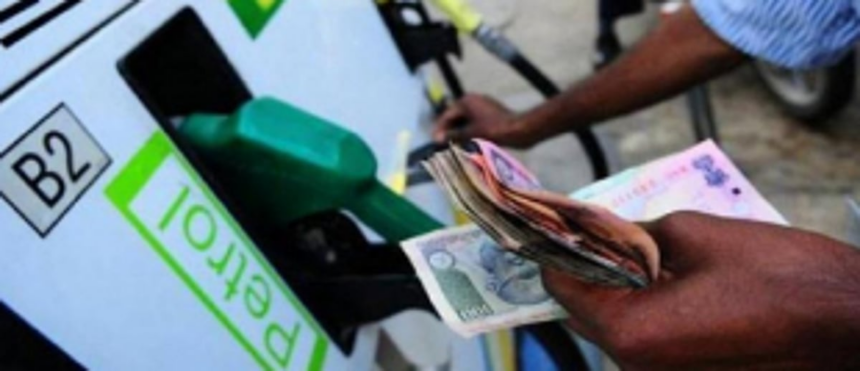
The price of petrol exceeds Rs 100 a litre in many parts of the country. Diesel is not far behind. The aggrieved citizens have been flooding the social media with indignant posts, in addition to holding protest demonstrations. One post that stood out was that asked people to rejoice at the fact that they are paying much less than what the next generation would pay.
That seems to be the only way we can react to the rising prices. The other day my son, while clearing the house of unwanted stuff, showed me several old cash memos and bills. Among them was a card in which payments made for my first bicycle costing Rs 200, bought under the hire purchase scheme on monthly instalments, were recorded. The deal was finalised after a company representative verified my bona fides. One cash memo was for a pair of Bata shoes, bought for Rs15 and another from a grocery shop that charged less than Rs100 for a month’s provisions.

During my childhood, most of the pensioners of the State government were paid Rs7 every month. It was said they could even afford pure ghee with that amount. When I joined the LIC in 1961, my pay scale was Rs70-130. I still have a copy of a letter asking my office to deduct an extra amount of Rs2 every month towards my provident fund. I insured my life for Rs6000 for a period of 30 years by paying a monthly premium of Rs9.73. When I started my career as a college lecturer in 1968, my UGC pay scale was Rs 300-600, which was higher than that offered by the state government.
It is a fact that once prices go northward, they are never going to reverse the direction. The only consolation is that one’s income also goes up with time. One of my ex-colleagues, who has crossed the age of 80, is getting a pension of about Rs 1 lakh. A widower, he is being looked after well by his son and daughter-in-law, with whom he is staying. It is as if they were guarding him against the angel of death. If he kicks the bucket, the pension will stop.
In this matter, I have only appreciation for the worshippers of Bacchus. It is to them that every government turns when in need of additional revenue. They pay through their nose for their drinks, but they never complain. They are proud that the less fortunate citizens get their free ration, free electricity and a lot of other things at concessional rates from the money they shell out. In a state like Kerala, they patiently stand in long queues before government outlets for their bottle of alcohol. If there is an overenthusiastic cop present, insisting on a social distancing of six feet between two persons, it will take them hours to reach the counter. But they do not allow such irritants to spoil their nightcaps.
The fuel buyers can take a leaf out of these people and enjoy life instead of grumbling and gnashing their teeth. They should be happy that they are getting things and services dirt cheap compared to their successors.