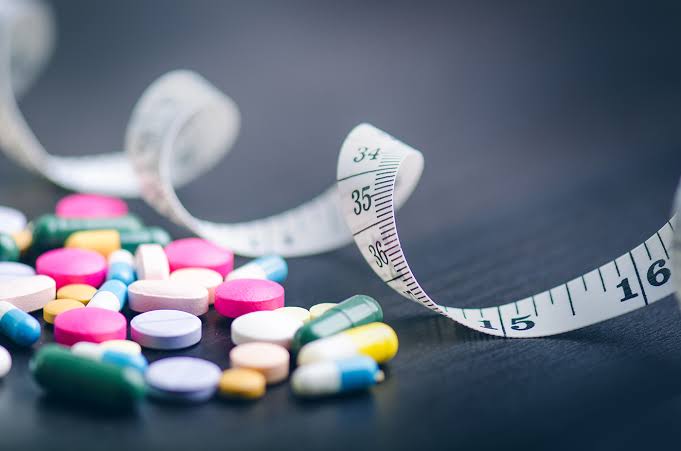
Modern weight-loss drugs such as semaglutide and tirzepatide have transformed obesity treatment, offering patients unprecedented weight loss without surgery. However, experts caution that these medications are not a standalone solution to India’s growing obesity epidemic, highlighting concerns over muscle loss, weight regain after treatment and the high cost of long-term therapy.
According to two recent systematic reviews published in The BMJ, the new-generation drugs can help patients lose 15-20 per cent of their body weight while also improving cardiovascular health. The findings are based on nearly 100,000 participants across 262 clinical trials. However, another review examining more than 9,300 patients found that much of the lost weight returns once treatment is stopped.

Patients regained weight at an average rate of around 0.4 kg every month after discontinuing medication, with many returning to their original weight within two years. At the same time, improvements in blood sugar, cholesterol and blood pressure also gradually disappeared.
Experts say another major concern is muscle loss. While these drugs effectively reduce body fat, they also lead to a decline in lean muscle mass. This is particularly significant for Indians, who naturally have lower skeletal muscle mass than many Western populations. Without adequate protein intake and regular strength training, patients could face an increased risk of frailty, reduced mobility and other health complications.
Cost is another challenge. Although generic versions of semaglutide are expected to improve affordability in India, long-term treatment is likely to remain expensive for many patients. Specialists argue that these medications should be prioritised for individuals with severe obesity or obesity-related diseases rather than for cosmetic weight loss.
Doctors stress that obesity is a chronic condition requiring sustained management. Lifestyle changes—including a healthy diet, regular exercise and early prevention—must remain the foundation of treatment. While anti-obesity drugs represent a major medical breakthrough, they should complement, not replace, broader public health measures aimed at tackling India’s obesity burden