PANJIM: Massive de-forestation in the last 30 years, failure to protect water-sheds and natural barriers like mangroves, rampant sand and stone quarrying are the causes of the worst monsoon floods Goa has experienced in nearly four decades since 1982, feel environment experts.
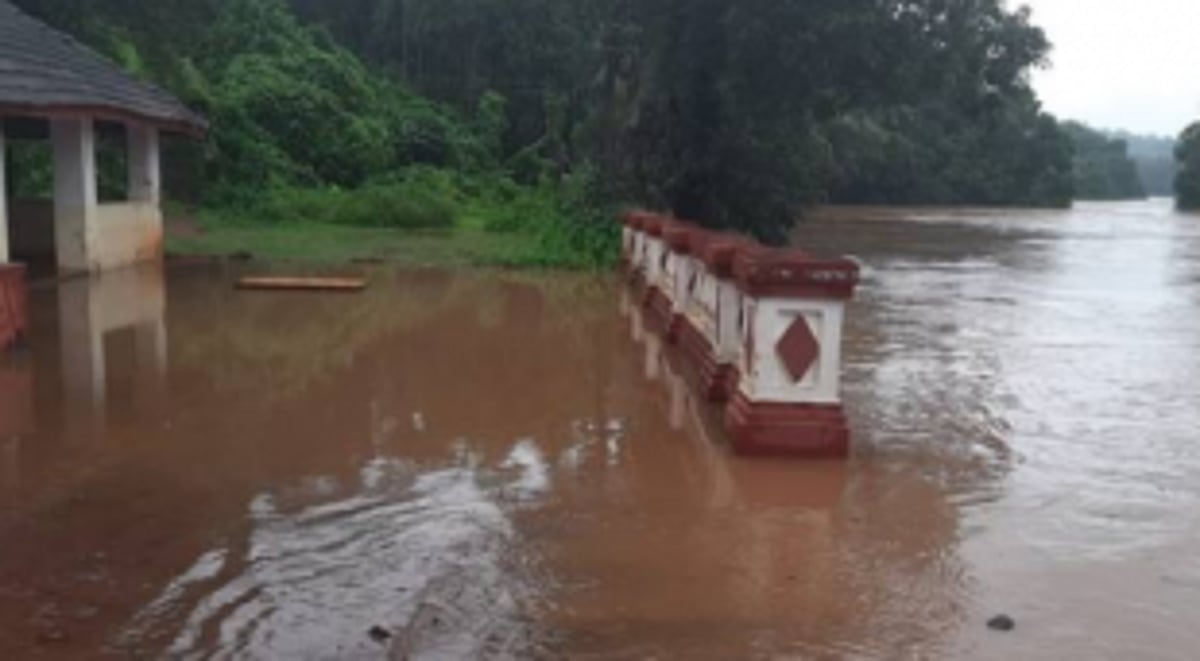
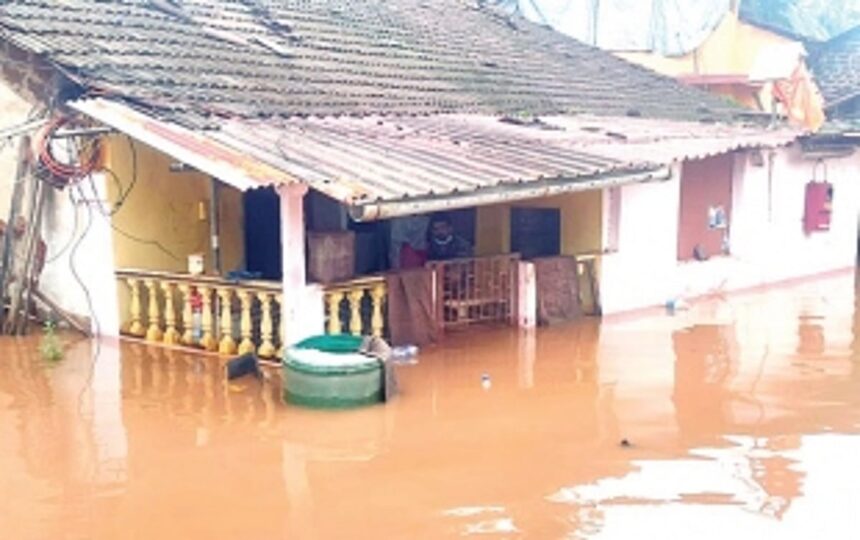
Thousands of houses have been destroyed and hundreds have been displaced in rural Goa as heavy rains lashed the State during the last week.

Following the worst floods in a century that had devastated Kerala, killing scores of people and forcing tens of thousands into relief camps in August 2018, environmentalists in an exclusive report on Herald, later picked up by other media, had warned of a similar situation in the State urging authorities to intervene to stop it.
Ecologist Madhav Gadgil told Herald that nature cannot be blamed for the destruction as this is manmade. He explained that random and unplanned development, including road infrastructure and mining, are the three major causes for such flooding.
“For example, the government has granted permission for construction of roads or other projects on plateaus or no development zones. So what do you expect after this? We need to be careful and watchful to ensure that development has to be in a sustainable manner,” he said.
Speaking to Herald, environmentalist Rajendra Kerkar said, “More than three decades now that massive deforestation is taking place in the various basins of River Mhadei and Tillari. Both Goa and Maharashtra have destroyed the watersheds. Unfortunately, despite repeated warnings, the State administration ignored and failed to take any measure towards afforestation on a large scale.”
“Not just this, but encroachment by the locals along the floodplains of the rivers, bulldozing of mangroves – the natural barriers to control speed and velocity of river water – runoff from mining and stone quarrying has worsened the situation and it might be disastrous in the future, if no measures are taken now,” Kerkar warned.
He explained that in the watersheds of Mhadei, the forest cover has been illegally cleared to make way for cashew plantations, while in Virdi-Dhodamarg, Maharashtra, has cleared forests to accommodate farm houses and other commercial and plantation projects.
Green experts also maintain that the destruction of eco-sensitive areas (ESA) in the guise of eco-tourism, infringement into no-development zones (NDZ) across coastal belts, and haphazard development might see all of Goa flooding in later years.
Environmentalist Claude Alvares said that the unprecedented floods that affected eastern Goa, especially small towns like Valpoi, Sanquelim and Bicholim are overt symptoms of an ecosystem that is now seriously unbalanced due to indiscriminate human activities.
“We have been unsuccessful in persuading the industrial-business class that if they do not change their development model larger and larger numbers of people will suffer, and there will be huge volumes of money for relief going down the drain,” he said.
Manoj, a student of Kerkar who has been closely working on various environmental issues, says that the State Water Resources Department has undertaken desiltation of various rivers in an unscientific manner. “They have literally bulldozed the mangroves,” he said.
From Pernem to Dharbandora nearly a thousand houses were damaged, several hundred were stranded and evacuated with one casualty, over 800 ha of agriculture and horticulture fields were destroyed. Sattari, Bicholim and Sanquelim witnessed the most terrible situation.