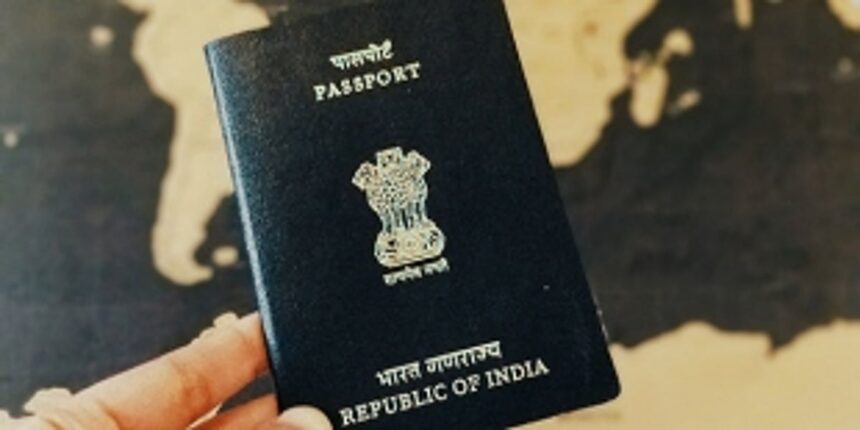
Indian expatriates in the UAE are being encouraged to apply for India’s new chip-enabled e-Passport, a modern travel document aimed at making international journeys faster, safer and more secure. Rolled out under the Passport Seva Programme 2.0 (GPSP 2.0), the initiative marks a major step in upgrading India’s passport services with digital convenience and stronger security features.
What is the new e-Passport?
Unlike traditional passports, the e-Passport contains an embedded Radio Frequency Identification (RFID) chip that securely stores the holder’s biometric details, including photograph and fingerprints, in encrypted form. The booklet is usually identified by a small gold symbol on its cover. It also complies with International Civil Aviation Organization (ICAO) standards, ensuring global recognition for automated identity verification.

UAE-based Indians can apply for these passports through the Indian Embassy in Abu Dhabi or the Consulate in Dubai, with the rollout officially beginning in October 2025.
Faster immigration and stronger security
One of the biggest advantages of the e-Passport is reduced immigration wait times. Travellers can use automated SmartGates and e-gates at airports, cutting queues dramatically. Reports indicate checks at major UAE airports could drop from around 25 minutes to under five. Similar automated systems may also benefit travellers in countries such as Singapore and Australia.
The embedded chip uses advanced encryption and Public Key Infrastructure (PKI), making it significantly harder for fraudsters to tamper with or forge passport data, improving document integrity worldwide.