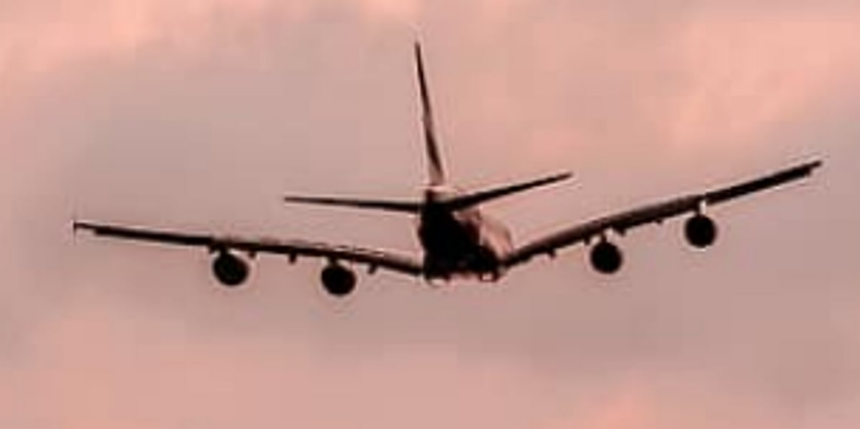
The statistics that have been emerging of the evacuation programme that India plans to undertake are quite unbelievable. The country begins the world’s biggest ever mass evacuation, bringing back to the country Indians stranded abroad. The Gulf region itself accounts for three lakh people who have registered to return to India. There are lakhs more across the world, including Europe that has turned into the focal point of the infection, after USA that has the highest number of cases. For the present, it is those who are facing deportation, those who have lost jobs, those with expired visas, or with medical emergencies, pregnant women, aged expatriates, students and people with family emergencies, who will be flown back. At the same time, the country as crossed the 50,000 mark of positive COVID-19 cases, with over 1600 dead from infection.
Fears are surfacing that the number of COVID-19 cases may increase significantly in the coming days after this, though those arriving will be quarantined. This happens even as India relaxes the lockdown restrictions in the Green Zones that have currently no positive cases and in the Orange Zones. From the current trend in the country, it is clear that the virus has spread faster in urban areas, where the population density is naturally higher, than in rural areas. The entire period of the lockdown has not seen a drop, there have been increases daily, with deaths. The lockdown has, however, ensured that the curve has not been very steep, and this has given the government time to bolster the health infrastructure and also the testing facilities. There exists also the possibility that the increased number of cases, is due to the better testing facilities that have been put in place in the country.

India, needs to be extra careful in the coming weeks to stave off any community transmission that wil increase the number of cases. India has to look at how other countries have managed to bring down the infections even after lockdowns have been lifted. China for instance, where COVID-19 originated has successfully managed to keep the infection from spreading, and also keep the numbers down. Along with China, other South East Asian countries have also been reporting new cases in single digits or none at all. On the other hand, the number of cases in Europe and the US have been galloping ahead. India needs to study what it needs to do to flatten the curve.
But, as Union Health Minister Harsh Vardhan said, the nation may remember the pandemic as a ‘blessing in disguise’ if people imbibe good hygience practices. What the lockdown has effectiviely achieved in palpable terms is that it has reduced the spread of the contagion, but if at the same time it has also led to some positive behavioural changes in the people, then that will be one major takeaway from the pandemic and the lockdown. Yes, people are suffering and dying, but it could have been much worse, if not for the lockdown.
As India struggles to a new normal, some of the behavioural changes that could come about, would be welcome in the country. Take for instance the manner in which trains, buses, markets in India were crowded till a month and a half ago? Could it have been imagined that within weeks people would be patiently standing in queues to buy even their daily needs, be it vegetables, rice and dal? That the crowds waiting at bustops would not rush the moment a bus came to a halt before them? Crowds, pushing and jostling were part of the Indian landscape and it would possibly take a century or more to force the people into standing in queue awaiting their turn, had it not been for the pandemic.