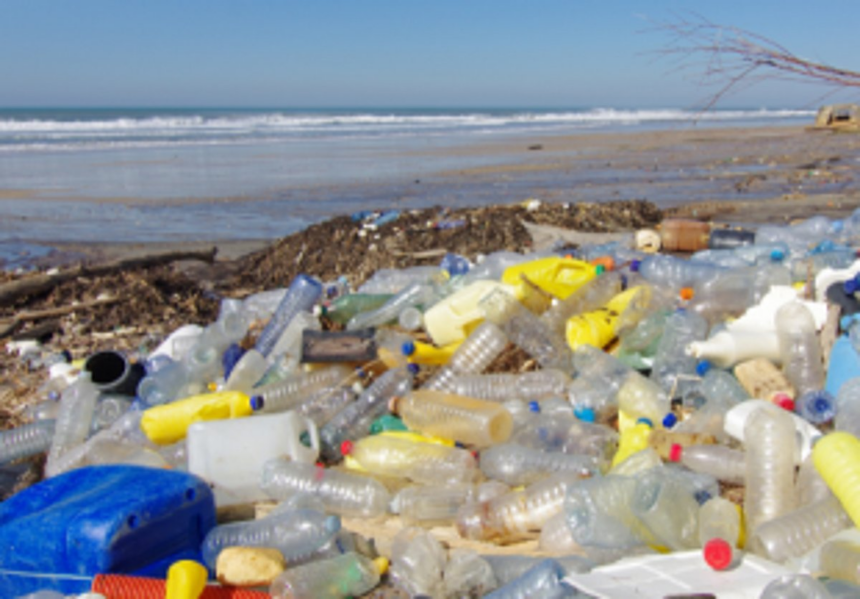
Or perhaps, the results will be seen from now on. For the year 2019-20, Goa was ranked as the largest generator of per capita plastic waste in the country, a ranking that Goa could well do without. The Central Pollution Control Board’s (CPCB) annual report for that year showed that Goa generated approximately 26,086.3 tonnes per annum (TPA) of plastic waste during the year which works out to 12,000 grammes plastic waste per capita, taking it to the top of the ranking. Goa is followed by Delhi and Kerala. Simultaneously and rather ironically, the State submitted to the board that it has imposed a complete ban on the manufacture, sale and use of plastic bags.
The last is absolutely true for two years ago on October 2, 2019, Goa banned the use of plastic water bottles, glasses, plates from all its departments and instead sought that items which are eco-friendly and reusable be utilised. Earlier that same year, the Goa Legislative Assembly had passed the bill banning the manufacture, import, store, transport or sale of plastic carry bags and single use items, with the bill specifying fines and penalties for violations. How then was it that in the same year, Goa was found to be the highest per capita plastic garbage generator? The simple reason is that while the law exists, the implementation has failed.

Goa’s battle with plastic is being carried on for years but it has no end. For instance, the State does have the ban on use of plastic below 50 microns in place, however, it has not been very effective as the use of plastic below those micros has not entirely stopped. Simultaneously, municipalities in the State, following directives from the Centre, had banned plastic carry bags, but this decision was not greeted with much enthusiasm, and traders continued and some still do to date, to give plastic bags to their customers to carry their purchases home. The threat of fines to the traders and the users has not really worked.
We are close to the 2022 target set by the Centre to eliminate single-use plastics. Goa has the laws in place but the results are not showing. For the ban on plastics to succeed, besides the rules and penalties that are in place, the State has to promote alternatives like bags made of jute, cloth or paper; straws and stirrers of steel that can be reused and such items. All these have to also be cost effective, as otherwise few may be willing to use them. One reason why plastic becomes a major attraction is its cheap price and the alternatives have to match this. Countries across the world have been looking to eliminate single-use plastic. This is a priority but its implementation is turning a challenge.
Goa’s battle with plastics also has another dimension. In August last a study by a Delhi-based advocacy group had found micro plastic particles in all water samples collected from some residential areas. As per the study, the size of micro plastics ranged from 20 μm to 1000 μm, micro plastics smaller than 100 μm were dominant, and fibre was the most dominant in tap water and treatment plant samples. For this reason the implementation of the ban on single-use plastic assumes importance as littering could possibly be the main reason for the presence of micro plastics as Goa sources its water from the rivers where waste plastic abounds.
Goa has to take the plastic ban seriously as it is not just environmental pollution that is caused, but also it could be a threat to threat to people’s health. Rules and laws cannot remain merely on paper but have to be implemented.