*The government says that during the recent years several States have witnessed unprecedented high temperatures leading to heat strokes and heat-related deaths. Although the entire general population is at risk, the elderly and children are particularly more susceptible
* This makes prevention and management of heat stroke an important and imperative need. Hence public needs to take a note of following and take appropriate preventive measures

* Heatstroke is a form of hyperthermia or heat related illness caused by long exposure to high environmental temperature. It can also be caused by intense physical activity in hot weather. Factors contributing to occurrence of heat Stroke include: exposure to hot environment for prolonged period; excessive physical activity in hot weather; not drinking enough water in hot weather; wearing excessive clothing in hot weather; alcohol consumption causing imbalance in temperature maintenance
* Advisory in particular for newborns and infants, children, elderly individuals who work in direct sunlight for hours. For example, labourers, farmers, road and construction workers etc. Also those who engage in rigorous physical activity including sports, for example athletes, military personnel, police
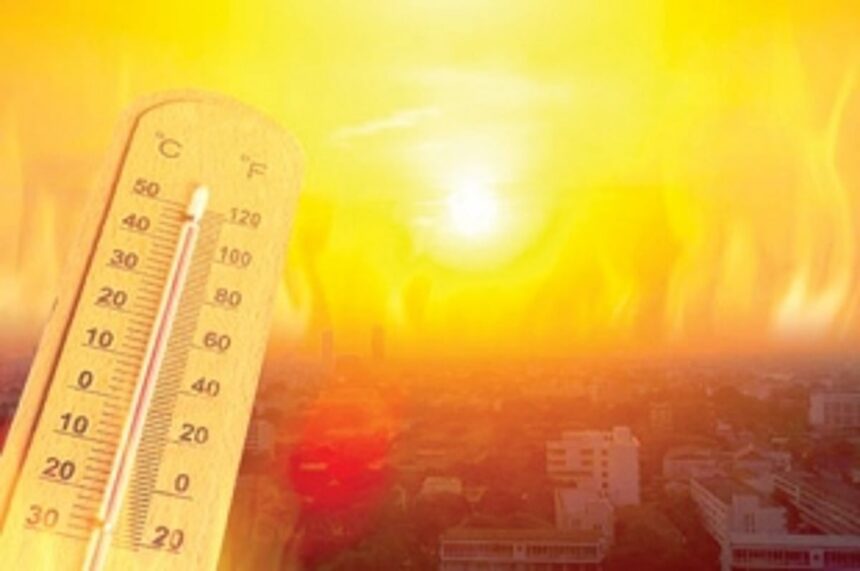
* Heat stroke occurs most commonly during the summer months of April to July. The key sign of heat stroke is a body temperature above 104 Degree Fahrenheit (40 Degree Celsius) and consumed state of mind
* Other symptoms may include: Throbbing headache; dizziness and light-headedness; lack of sweating despite the heat; red, hot, and dry skin; muscle weakness or cramps; nausea and vomiting; extreme lethargy; rapid heartbeat; rapid shallow breathing; mental confusion and disorientation; unsteadiness of gait or staggering; seizures or unconsciousness
* First aid measures that can be immediately initiated and educate the family/community about or initiate yourself immediately are moving the person to an open and well ventilated environment or a cool, shady area. Remove any unnecessary clothing. Aim to reduce the temperature to less than 101 degrees Fahrenheit. Use a fan over the patient while wetting his or her skin with water using a sponge or towel. Apply ice packs, if available, to the patient’s armpits, groin, neck, and back
* Do not apply ice pack or immense newborn/baby in water as it may cause hypothermia
* Steps to prevent Heat Stroke are to wear lightweight, light-coloured and loose-fitting clothing. Keep the house well ventilated, especially the cooking area. Keep the doors and windows open. During the hottest part of the day, cover the windows with curtains, cloth, bed sheet etc. To prevent dehydration, drink at least eight glasses of water, fruit juice, buttermilk or other fluids daily. Avoid vigorous physical activities in hot and humid weather
* Where possible, avoid going out during the hottest period of the day i.e. early and late afternoons. Take additional precautions when working outdoors in the field or exercising. Drink water/juice etc even not thirsty. Houses with tin roofs tend to get hotter. Take extra precautions in such a case. Avoid alcohol during this time
* Babies who are exclusively breast-fed may need extra breast-feeds in hot weather. Children above 6 months of age, who have started complementary feeding, can be given small amounts of cool, boiled water between feeds. Choose the coolest place in the house for babies or young children to sleep Give young children (over 6 months of age) regular fluids throughout the day. Children should be prevented from playing outside in sun during peak hours of the day.