Global
warming is a problem that arose a long time ago and is still unresolved. On
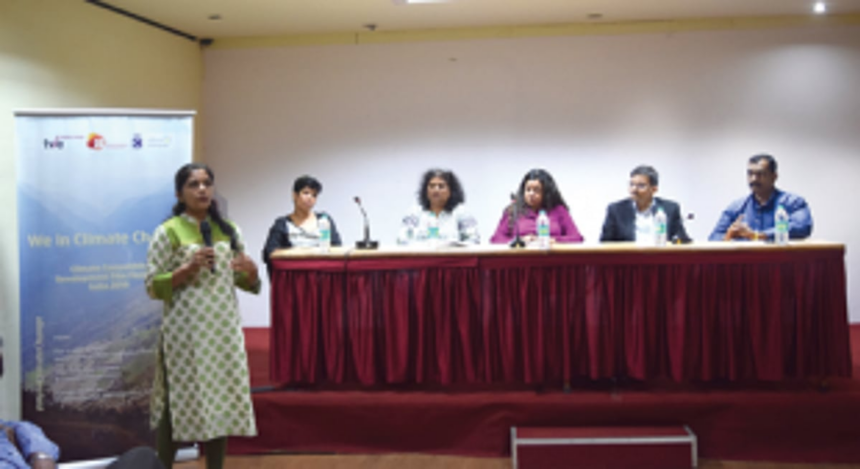
January 10, 2016, those attendingthe We in Climate Change Film Festival at The
International Centre Dona Paula gained insights on the issue. It began with the screening of three
films followed by a panel discussion with BailanchoSaad convenor Sabina Martins, Research Associate at The Energy and Resources Institute (TERI) AshaGiriyan, member secretary of the Goa State Biodiversity Board
(GSBB)Dr NitinSawant,National
Institute of Oceanography (NIO) scientist Dr AK Saran and architect
and the mind behind the non motorised zone (NOMOZO) initiative, Tallulah
D’Silva.
“The
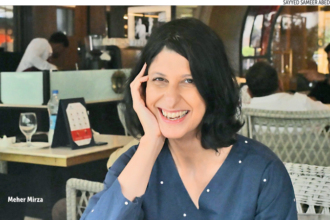
festival went very well; we had a houseful conference,” said SapnaSahani, the
organiser, adding, “Sabina Martins made it despite her accident and we also had
a new panellist,AshaGiriyan who works at TERI. She spoke of research on climate
change and on replacing factory made pesticides with organic.”

Encapsulating the events
of the panel discussion, Sabina Martins said, “The climate is changing and there is a need for
management so we spoke of what initiatives the government and NGOs must take.
As we are from different backgrounds and we each spoke from our own
experience in our respective field, a wide range of topics were covered. For example, Dr NitinSawant focused on the effects of climate change on
biodiversity and habitat, and the importance of protecting the greenery. I focused more on women’s role and the need for them to be
more active in decision making.”
“I
learned a lot from the other panellists, they all shared different perspectives and insights. Some
of the questions asked were eye-openers as well. ‘The government has so many policies and yet there is a lack of action so what can we really
do?’ Was one of the questions asked. But the thing is, we can’t wait for the government or the non-governmental organisations to be concerned. We must take action in whatever way we can,”stated Tallula D’Silva.
Dr Saran expressed concern over micro plastics being found in the oceans. “This will change the viscosity of the
water, causing heavier rainfall and the possibility of floods. There are simple
things that can be done, like avoid buying water bottles or any plastic as far as possible. If
there is no market for it, then no one will use plastic.”