Team Herald
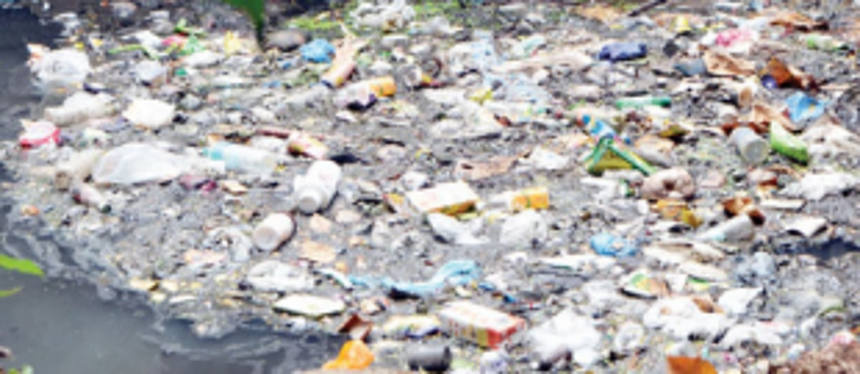
PANJIM: A senior researcher at the Indian National Institute of Oceanography (NIO) in a recent submission has underlined the need for a comprehensive study on accumulation of plastics, microplastics and nanoplastics in the Indian rivers, estuaries and coastal waters.

Senior ocean scientist Mahua Saha in a paper presented during the “National Workshop on ‘Microplastics Pollution – A Global Threat’ in New Delhi last week, has stressed on the need for a study to know the environmental carrying capacity of Industrial areas, special economic zones and critically polluted areas.
“There are no comprehensive studies on the plastics, microplastics or nanoplastics in the Indian rivers, estuaries and coastal waters. There is no data on the quantities, sources and fragments from Indian waters and it does not reflect in any national reports of the ‘state of the environment’ or state of the rivers,” the researcher said.
She added that the plastic pollution aspect has not been considered while studying the environmental carrying capacity of industrial areas nor while declaring the Critically Polluted Area (CPAs).
“As a new and emerging environmental threat, a comprehensive baseline is desperately required to at least understand the status of plastic pollution in the country,” she added.
As per data available, Saha said, in India 8 million tons of plastic products are consumed every year and eleven kg plastic per capita is consumed.
“While the recycling rate in India is considerably higher than the global average of 14 per cent there are still over 6,100 tones of plastic, which are either land-filled or end up polluting streams or groundwater resources,” she added.
Saha said that although some data are available on contribution of microplastics via different rivers around the world but no work has been done on the rivers in India.
Scientist said that a comprehensive risk assessment of this marine micro plastic contamination requires defining, understanding and quantifying emissions both geographically and temporally.
“This knowledge will help in refining our understanding of marine plastic pollution sources and pathways, while working towards an assessment of plastics in the coastal waters. It will also assist in identifying the critical locations and seasons of plastic releases, supporting the implementation of cost-effective monitoring and source mitigation efforts,” she added.