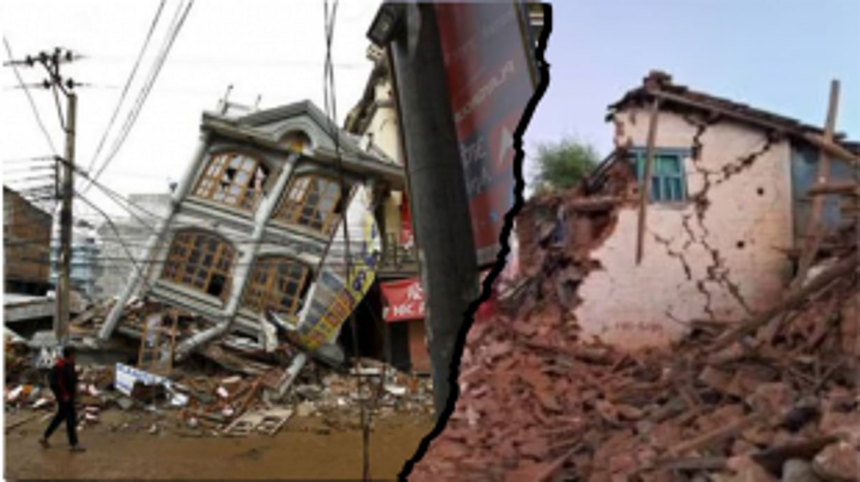
Late on Friday, a powerful earthquake with a magnitude of 6.4 rattled Nepal, resulting in the tragic loss of at least 140 lives. The National Earthquake Monitoring and Research Centre pinpointed the quake’s origin to Nepal’s Jajarkot district, with the event recorded at 11:47 pm local time.
In response to the disaster, Nepalese officials have swiftly mobilized efforts to manage the crisis. All helicopter operators have been placed on standby to assist in the critical task of airlifting the injured from the affected areas. To facilitate these rescue operations, regular flight operations have been temporarily suspended. Additionally, authorities have taken measures to station ambulances at Nepalgunj Airport and the military barrack helipad.

The devastating impact of the earthquake is evident in the widespread destruction it has caused. Numerous buildings and structures lie in ruins in its aftermath. However, rescue and relief efforts have faced significant challenges due to blocked roads and damaged bridges, hindering access to the affected areas.
The tremors from this seismic event were not confined to Nepal alone. The earthquake’s epicentre in the Jajarkot district sent shockwaves that were felt in some neighbouring states of India, with even the national capital, New Delhi, experiencing strong tremors. According to the United States Geological Survey, the earthquake struck the far western region of Nepal at a relatively shallow depth of just 18 kilometres (11 miles).