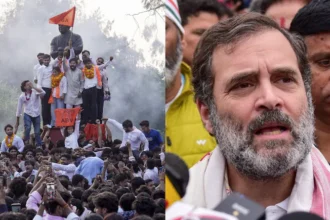
PANJIM: The hectic political campaign for the Goa Assembly elections will come to close on Saturday at 5pm, ahead of polling scheduled on February 14 (Monday).
On Saturday evening, the election process will reach the crucial silent period of 48 hours that will culminate with polling for 40 Assembly seats on February 14.

As per the Election Commission guidelines, campaigning has to end 48 hours before the close of polls for each phase. Electioneering initially remained low-key due to certain curbs imposed by the ECI in view of COVID-19 pandemic.
However, as the norms were eased, campaigning picked up with close to 100 star campaigners from political parties making a beeline to Goa towards the fag end of electioneering, keeping the poll atmosphere highly charged. Probably for the first time, star campaigners went knocking on the doors of the voters.
The campaign for the ruling Bharatiya Janata Party saw Prime Minister Narendra Modi and Union Home Minister Amit Shah championing the cause of the saffron party along with other Union Ministers and top BJP leaders.
For BJP the coming elections will be a litmus test on their popularity after two terms in government. On Friday the party national president JP Nadda and Union Minister Smriti Irani went campaigning. Before that, the Prime Minister had addressed a mega rally in Mapusa.
For the first time, BJP will be contesting an election in Goa without being in alliance with any other party and has fielded candidates in all 40 Assembly seats.
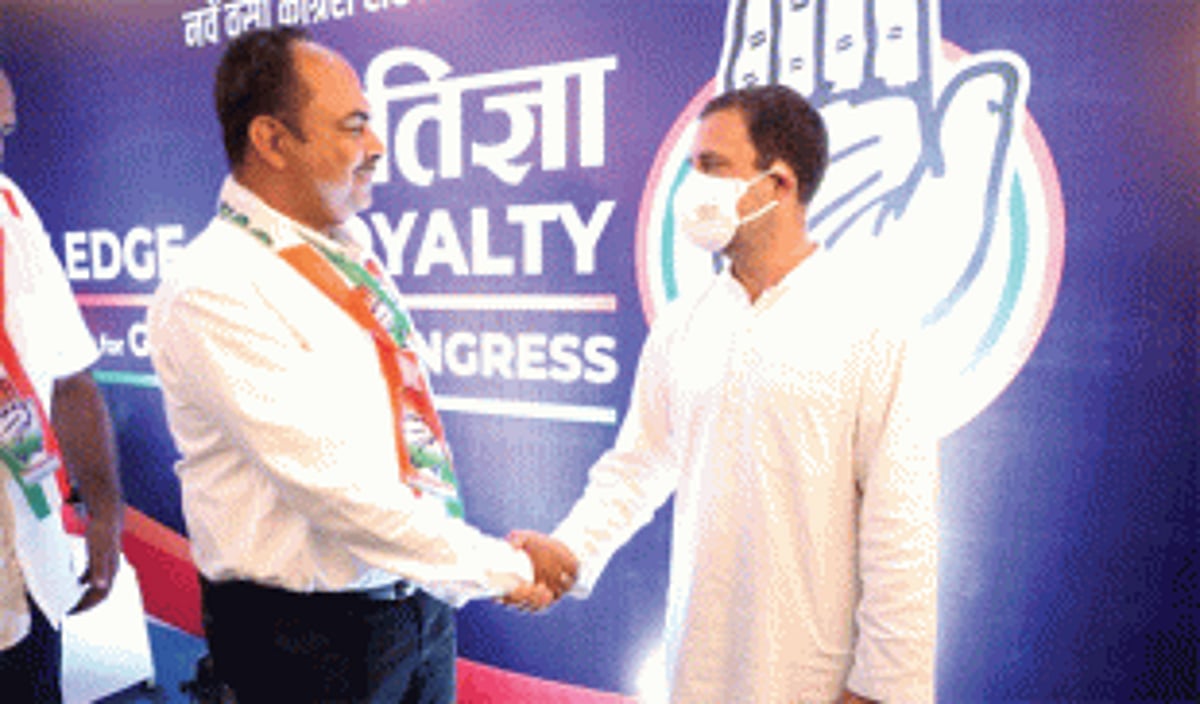
Congress in alliance with Goa Forward party has candidates in all 40, of which three are of the regional outfit. It’s star campaigners included Rahul Gandhi and Priyanka Gandhi Vadra along with other senior leaders.
Aam Aadmi Party’s (AAP) campaign was led by Delhi Chief Minister Arvind Kejriwal. The party is fighting elections on 39 seats.
New entrant Trinamul Congress Party in alliance with Maharashtrawadi Gomantak Party is contesting 39 seats.
Shiv Sena’s Maharashtra Environment Minister Aaditya Thackery was on maiden visit to poll-bound Goa on Friday. The party is contesting 11 seats while their ally NCP has fielded candidates in 12 constituencies.
Independent candidates too were seen in action focusing on door-to-door campaigns.
With the end of the campaign on Saturday evening, Section 144 of the CrPC will come into force in the poll-bound State. All licensed liquor premises will be closed from 6pm of February 12 till 6pm, of February 14, and on March 10, 2022, in the entire State, in view of polling and counting of votes.
However, licensed premises having licences for bar and restaurant are allowed to keep the restaurant open for serving food only and the bar counter shall be closed and no liquor served.
Sec 144 imposed in State
Section 144 CrPC has been imposed in the State in view of the upcoming February 14 Assembly polls. It will come into effect at 6pm on February 12 and remain in force till 6pm of February 14.
Under the provisions, the assembly of five or more persons (including contesting candidates and workers) will be deemed as unlawful assembly. It also prohibits holding any procession or rally.
It directs that vehicles permitted by the returning officer, for the use of contesting candidates for campaigning, shall not ply. The order is to avoid any distribution of money or gifts or liquor and prevent any nuisance and law and order problem. The order bars vehicles authorised by the returning officer, DEO and CEO on the day of poll.
Private vehicles will also subjected to checking to avoid their misuse. The District Magistrate has said that these vehicles will be checked in a dignified manner without harassment to persons.
This order does not apply to authorised officers on election duty, including polling officials, magistrates, police officials and government staff.
Public servants on the duty, bonafide marriage or funeral processions or religious functions or any special occasion or occasions and for which prior permission in writing has been obtained from the District Magistrate/Additional District Magistrate or the Sub-Divisional Magistrates, do not come under the restrictions.