PANJIM: The State Action Plan on Climate Change for Goa for 2020-2030, warns that ‘all the key economic sectors in Goa’s economy have the potential to get significantly impacted by climate change’.
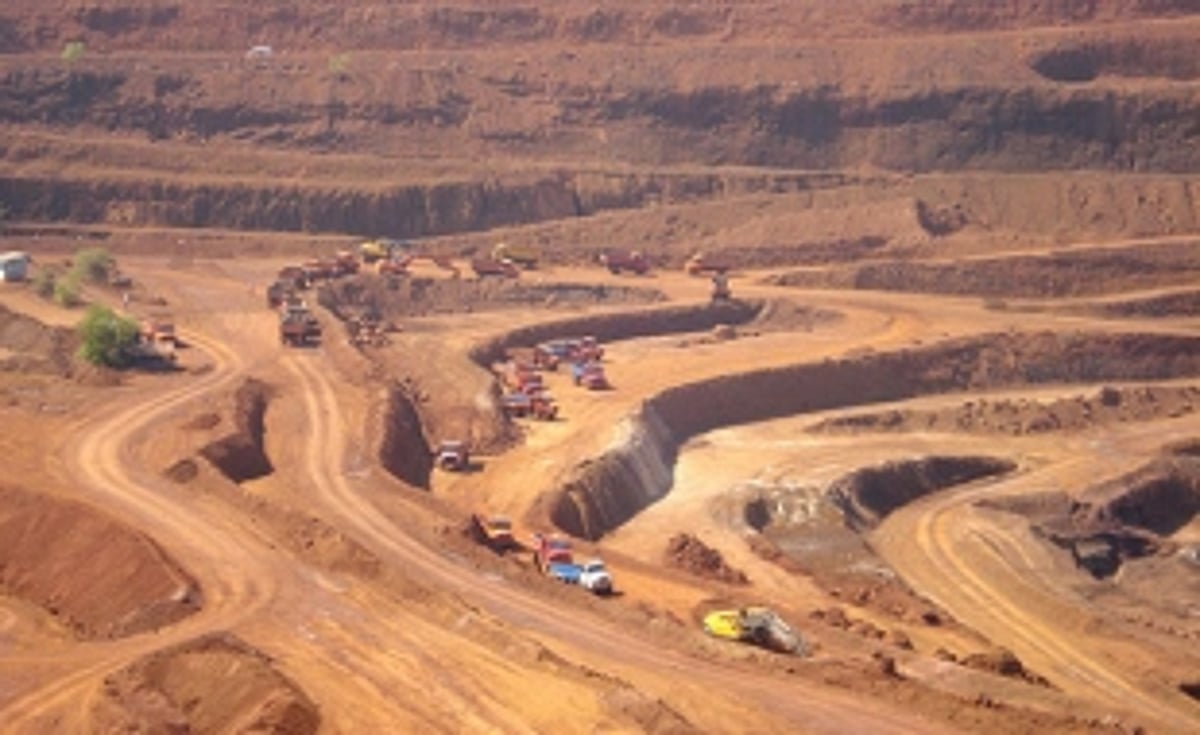
Prepared by NABARD consultancy services, the bulk of the report focuses on mitigation and adaptation strategies in the sectors of transportation, energy, agriculture and allied activiites, waste management, water, tourism, mining, forest and biodiversity, human health and habitat. It also discusses financial and institutional arrangements for implementing these mitigation and adaptation strategies

“In the context of Goa, communities living in low-lying areas, informal settlements like slum population, people with disabilities and those whose livelihood depend mainly on khazan lands are in particular the immediate and most vulnerable groups. Also, four coastal talukas of Bardez, Tiswadi, Mormugao, and Salcete, house about 80 per cent of the population and are hubs of economic activity,” states the report.
“It is the moderate and light rainfall events that nourish life-forms and ecosystems, whereas very heavy and exceptionally heavy rainfall events create devastation and chaos to life-forms and ecosystems. Increasing frequency of very heavy and exceptionally heavy rainfall events in Goa is one of the key impacts of climate change witnessed in the state,” the report adds.
The final report identifies Goa’s urgent requirement for addressing climate change sector wise. These included the ‘development of a holistic policy for low emission sustainable transport system’.
Other aspects of the plan speak of the need for ‘promoting biomass residue from agriculture to be used for power generation where it does not have an alternate use’ and ‘promoting agricultural pumps with energy-efficient pumps and solar pumps’.
It suggests maximising the agricultural land utilisation by including fallow land for agriculture and increasing farmer income through credible, certified organic farming and market connections.
The report also calls for ‘waste minimisation in the tourism sector by providing alternate and bio-degradable options for tourists’ and ‘green skill and capacity development amongst the tourist service providers’.
It further speaks of the need for ‘climate proofing and disaster management for critical tourism infrastructure’.
“Resource efficiency and the circular economy concept needs to be incorporated into the construction sector to reduce pressure on the sand as a resource,” is another recommendation in the report.
The report also emphasises on the ‘maintenance of water resources to avoid flooding and to keep related infrastructure functional during peak events and disasters’.
The report highlights the other potential areas of climate change for Goa, which are aimed at syncing all the plans with ‘Sustainable Development Goals’.
Coastal biodiversity management for aquatic flora and fauna, protecting coastal infrastructure, livelihoods and restoring degraded land through regeneration of forest cover for improving livelihood of the vulnerable communities, are two such plans.
Another was of the restoration of wetlands and wetland management in order to revive local ecosystem management/services for developing market mechanisms for the vulnerable communities – viz fisheries and agricultural crops.
The report also speaks of sustainable development management for various sectors – planning of industrial corridors with green cover and renewable energy integration and an eco-plan at the State level on enhancing the carbon sink programme through protection of forest implementation stock and enhanced conservation.
While it details a financial approach for leveraging of additional capital under various funds, it also prepares a climate finance readiness programme in Goa.
It also calls for creating Goa climate smart villages/farms for sustainable intensification that speaks of the work that needs to be done to be prepared for weather, water, carbon, nitrogen, energy goals amongst others.
In July 2019, Environment Minister Nilesh Cabral had announced in the Assembly that Nabard Consultancy Services had been tasked with the responsibility of preparing the plan, concept note and detailed project report. He had said that a state-level steering committee had been notified and funds had been sought for the same from the Union Ministry of Environment, Forests and Climate Change.