It is not the first time that Chief Minister Dr Pramod Sawant has called to reduce Goa’s dependency on the neighbouring States when it come to agricultural and horticultural produce. In November last year he had expressed concern over agricultural land being left fallow in the State and the increasing dependency on neighbouring States for daily needs including rice, vegetables, milk and fruit. At that time he had gone on to indentify the reasons why Goa is failing in agriculture stating, “We were leading in this (agriculture) traditional activity, but today we almost ignore these activities. If we can’t produce this (vegetables, fruit and milk) in our own land, we can’t say we have achieved development.”
That Sawant has again mentioned that Goa has to reduce this dependency indicates that the Chief Minister is serious about giving agriculture and horticulture a boost in the State. As pointed out by him, Goa spends nearly Rs 25 crore as subsidy on procuring vegetables from Karnataka. “Why are we not growing these vegetables in Goa?” he asked, proposing that the amount could be instead spent on local farmers. In addition, the State spends Rs 1.50 crore daily on purchase of milk, and Rs 40 lakh on flowers from other States. That is a lot to spend on other States, when there does exist the possibility of growing much of the produce in the State.

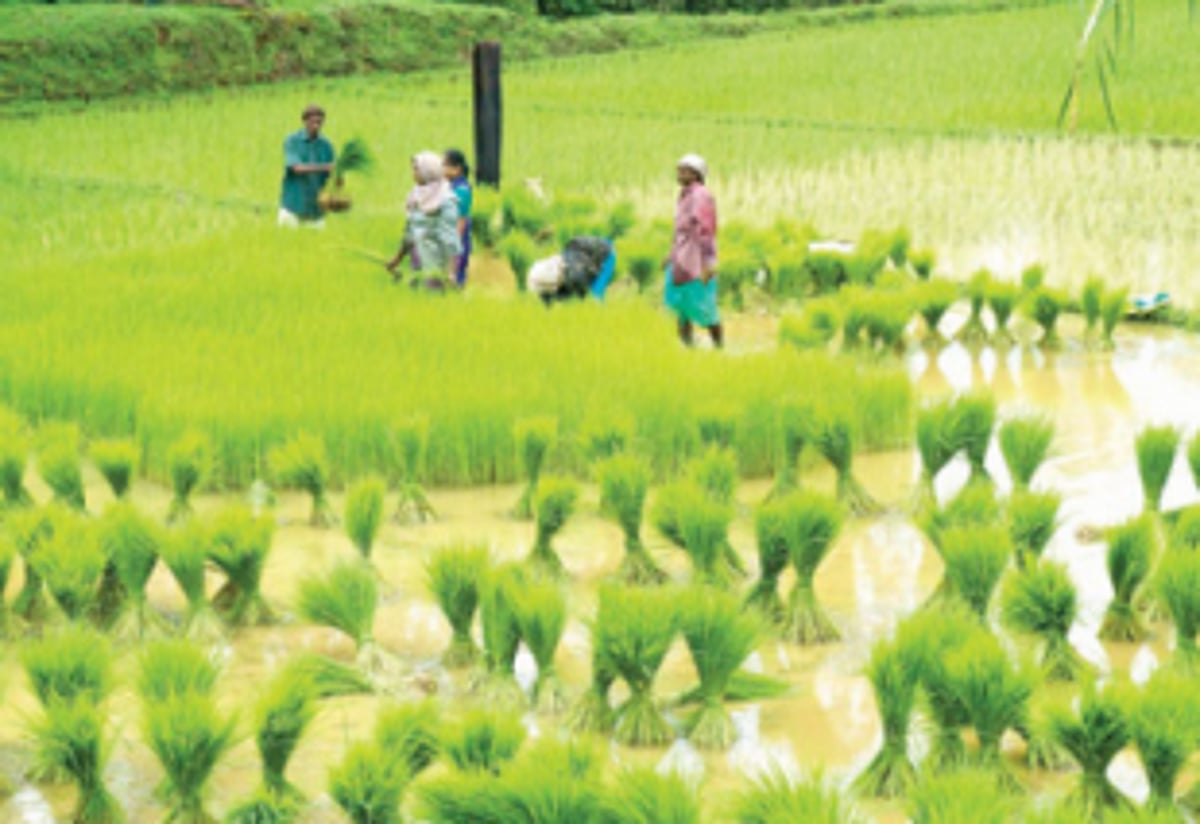
The big question for the State is how to turn this situation around? Can Goa take up the challenge and get into agriculture and horticulture in a big way? There are schemes by the government that farmers and would-be farmers can avail of, there is also the plan to start the country’s second Organic Agriculture University in Goa, the first such university in Western India, that would boost agriculture. But, unless the people take advantage of these schemes and the training, and get down to the fields and plough the soil, the plans that are made on paper will will exist only in black and white and not yield the desired result on the ground. For that to happen, the youth will have to get down to the fields, not to kick a ball around, but to till the land.
Goa’s agricultural and horticultural produce has always been low. The supply cannot meet the local demand and the State has always procured vegetables and fruits from other States. There even exists a State Horticulture Corporation whose main purpose is buying vegetables from other States and selling in Goa at subsidised prices. It cannot be ignored that just weeks ago this same corporation was selling onions at its outlets at a highly reduced rates, to offset the high price in the retail market. Since then, has the corporation made any attempt to increase the produce of vegetables – perhaps not onions in particular but of any others – in the State by engaging with farmers on the subject?
Since the 2017 elections, after the BJP-led government took office there have been a number of statements made by members of the cabinet on promoting agriculture, doubling farmers’ income, marketing local produce. Yet, in practical terms none of this has been achieved, as the efforts made in that direction have been found wanting. This is not to take away from the fact that the government has worked towards making a change, but the response has often been tepid, as the government has faltered with the marketing aspect. The State requires a plan that will take the produce from the farm to the market, a plan that will link earnings to production, failing which agriculture won’t take off in Goa. It will not be enough to merely increase production, if the market for the produce is not available.