The absolute logjam over the IIT project in Loliem continues amidst a hardening of stand on both sides, as the crucial gram sabha meant to authenticate the people’s choice had to be adjourned due to confusion over who among those present, were authorised to vote.
Both sides – opposing the project and those supporting it, led by the Citizen’s Committee of Loliem, are claiming strength in numbers. The project supporters claim that the high numbers of approximately 1700 who attended the gram sabha, as opposed to 600 odd who got together for a meeting of the project opponents later, reflected the growing number of silent supporters.
However, both sides, especially the Citizen’s Committee of Loliem, need to introspect if the decision on the IIT coming to Loliem should be completely dependent on who wins the gram sabha vote. In any case given the contentious nature of the differences between the two sides, voting has to take place through secret ballot and after checking the address proof and citizenship of each voter, given the large number villagers with Portuguese passports. While this could go either way, should this be the final call on whether the IIT should be set up or not, irrespective of which side wins the vote?. While both sides have mobilised support towards their point of view, the grounds on which the opposition to the project is based on, needs to be debated scientifically and by those who know. And this can happen only when there is a detailed environment management plan is drawn up by the IIT, along the lines of the Mandi (Himachal Pradesh IIT). It needs to look into and answer (with inputs taken from locals) if some of the main concerns against the project are valid in the least. They are broadly:
– Plateaus of Loliem village, especially Bhagwati Moll, Tanshi, Kupa, Vaturem, Dapot and Maddi Tolop, should be strictly conserved and protected for the conservation and development of agriculture and grazing lands. The report needs to outline along with additional evidence and ground reality checks, if agriculture and grazing lands will be at all affected
– The villagers observed that the village has very little land available for housing of residents, which are under severe threat due to speculative real estate and other construction projects. This argument cuts both ways. If big housing projects are speculative and they should not take place, why should that be a reason for the IIT not to come up? Also we need to ask if the housing needs of the village in the next 20 years been mapped, taking into account outward migration.
– The next concern is that water needs of the village will not be met if the IIT comes up. That is the argument. But this has to be tested and it is only a detailed report which will certify whether the ground water will be touched at all. If you recall that during one of the early inspection visits, then Director Technical Education R Subramanium had clarified that the IIT will not use utilise any ground water. This needs to be elaborated formally in a report, notwithstanding Education Secretary Nila Mohanan’s assurance that a separate overhead water tank would be constructed from central funds.
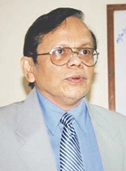
The report is critical because a lot of assurances, verbally given during the gram sabha, will get the sanctity they deserve only when they are documented and presented to the gram sabha in the form of a report. As IIT Director Dr Shiv Prasad said not only would garbage be disposed off within the campus but waste water would be treated and retreated.
It is also important to put a lid on too much of speaking in the air and taking “final“ decisions only because that is their point of view. And those opposing the project have done more of this than those supporting it. Can any group take such a “final decision”?
Finally, the divide between both sides has to narrow. Both sides must appreciate that the others argument is from the standpoint of the larger interest of the village as they see it. Which is why, it is imperative for the government to step in and pave the way for a greater understanding of the project. Therefore, the President of the Loliem Citizen’s Committee Denis Fernandes has as much right to present his point of view as Prashant Naik, chairman of Nirakar Education Society of Canacona, leading the group supporting the project. But both must agree that they should step back and allow a detailed ground study to be presented and respect its findings and not let ego or politics come in the way.
The government, if they want this project to indeed see the light of day should ask the Union Ministry of Human Resource Development to direct the IIT team in Goa to complete this report post haste and present it in the gram sabha for deliberations.