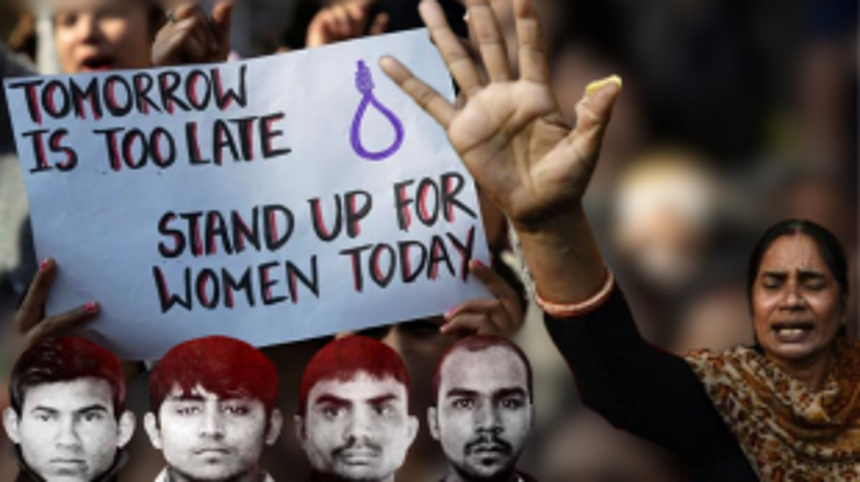
Eleven years have passed since the horrific gang rape and murder of the young paramedic student, Nirbhaya, shook the nation to its core. Despite the pursuit of justice and the execution of some perpetrators, the recent statistics on sexual assault cases in Goa, with the highest rate of rape cases against minors in 2022, raise questions about the progress society has made and the urgent need for change.
Nirbhaya’s case ignited a collective call for justice, but the mother’s recent statement reveals a sobering truth – despite initial cooperation, the wheels of justice seem to grind slowly, leaving many cases stuck in lower courts for a decade or more. The incident became a symbol of a larger problem within society, shedding light on the prevalence of sexual assault and the need for systemic change.

Data from the National Crime Records Bureau paints a grim picture of sexual assault in Goa. In 2022 alone, the state reported 73 rape cases, with a staggering 76% involving minor girls. Shockingly, 93.2% of these cases involved perpetrators known to the victims, including family members. The rise in overall crimes against women further emphasizes the urgency of addressing this deeply rooted issue.
The UNICEF study revealing that 1 in 8 global children experiences sexual abuse before the age of 18, coupled with the WHO’s estimation that up to 1 billion children have faced physical and sexual abuse, underscores the global nature of this crisis. The disproportionately higher victimization of girls demands immediate attention and action.
Eleven years post-Nirbhaya, it is crucial to reflect and consider the alarming statistics from Goa and around the world. It is evident that the battle against sexual assault is far from over. Society must collectively commit to breaking the silence, dismantling harmful norms, and fostering an environment where survivors are supported and justice is swift. Only through such concerted efforts can we hope to create a safer and more just society for all.