Neura, once one of thevillages that comprised Ilhas (Tiswadi) in Goa, is a place where history, faith, and maritime legacy converge to tell a truly fascinating story. Positioned strategically between historic capitals and enriched by fertile “khazan” lands and serene waterways, Neura emerged as a significant center of culture, agriculture, and Christianity in the region. Its role was so pivotal that its chief elder held the honor of declaring unanimous resolutions in the General Assembly of Ilhas a distinction reflecting the village’s standing among its neighbors.
Early Significance and Name Origins

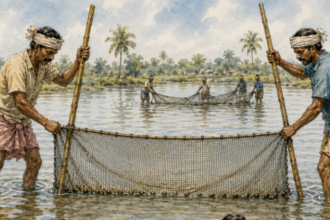
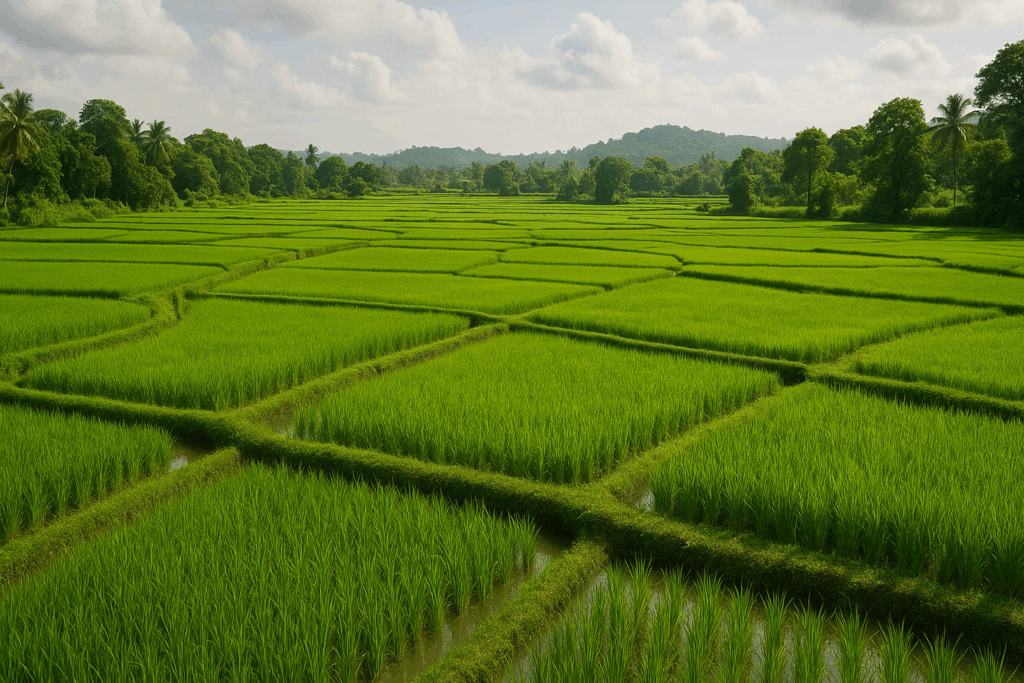
Neura’s heritage stretches back to the Kadamba dynasty, when it served as a maritime hub with key shipyards. The village’s name is believed to derive from either a unique rice variety, “nevri,” once cultivated in its lush fields, or “navrak,” meaning “town of boats”, a nod to its prominent harbor that offered refuge to ships during ancient times. This could be possible as the site now known as ‘Velfali khazan’ was a safe refuge for ships during the Kadamba era. As one of Ilhas’s largest settlements, Neura covered about 28 sq km, bordered by Agaçaim, Goa Velha, Azossim-Mandur, and the Zuari River”, mentioned heritage enthusiast Fr. Cosme José Costa
Centuries before the arrival of the Portuguese, Neura in Tiswadi already held significant importance due to its strategic location between Goa’s earlier capitals, Gopakapattana and Velha Goa (Old Goa).
The village featured extensive khazan fields, consisted of two gaunkarias or comunidade settlements, Neura Grande and Neura Pequeno, and was known for its key harbour.
Today, the Neura panchayat comprises seven wards and includes Neura Pequeno, Igorjevaddo, Padri Bhat, Guddivaddo, Shenkrem Bhat, Dhondea Bhat, and Dev Bhat.
Jesuit Foundations and Christianization
The Church in Neura was established in 1541 and placed under the care of the Jesuits, who played a critical role in shaping the spiritual and educational landscape not only of Neura, but of all Goa. By 1563, records show that around 329 baptisms had taken place, in Neura. The presence of notable Jesuits, including Fr Pedro D’Almeida SJ in 1568, further highlights the village’s importance as a mission center.
Augustinian Era and Transformation
In 1622, stewardship of the Church passed to the Augustinians, who soon after founded a seminary in Neura dedicated to Saint John the Evangelist. They also built a chapel in Mandur, honoring Our Lady of Good Success, demonstrating their deepening influence. The Church was completely rebuilt in 1624, marking the beginning of a new architectural and spiritual chapter for the community. By 1679, Christianity had become the majority faith in Neura, a testament to over a century of dedicated missionary effort.
Later Developments and Heritage
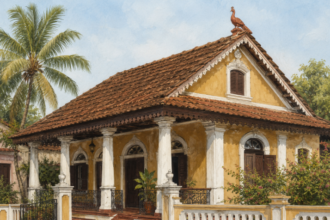
Augustinians continued their work until 1776, after which the Church was handed to the Archdiocese of Goa, a period during which Neura’s Christian community thrived. Neura’s St John the Evangelist Church and associated chapels stand as enduring symbols of Goa’s evolving spiritual and cultural identity, while the architecture, customs, and communal traditions of the village reflect centuries of layered history.