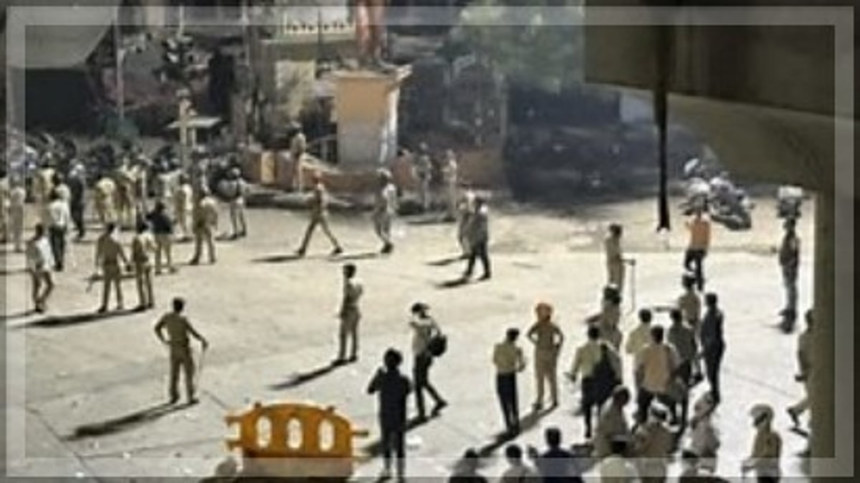
Authorities lifted the curfew in two police jurisdiction areas in Nagpur and eased restrictions for two hours in six regions on Thursday. However, Mahal, the epicenter of Monday night’s riots, remained under heavy security. Police arrested 17 more suspects and detained four minors for stone-throwing, bringing the total number of arrests to 95. Fahim Khan, a burqa vendor accused of orchestrating the violence, was charged with sedition and remanded in custody. He is expected to be transferred to the cyber cell for further investigation.
Police claim Khan spread inflammatory videos online in the hours before the riots, promoting hate against another community and the police. Khan had led a protest at Ganeshpeth police station on Monday, filing a complaint against Bajrang Dal and VHP members for burning an effigy of Aurangzeb and a religious chadar. Afterward, he posted a video accusing the police of protecting the demonstrators. The video went viral, allegedly sparking the violence in Mahal Gate, located 2km from the RSS headquarters.

According to police sources, Khan’s video gained traction online, fueling tensions and encouraging a stone-throwing mob. Cyber investigators pointed to a “troll army” of 250 members who played a key role in spreading the inflammatory content. “We have identified more than 50 users and deployed police teams to apprehend them by midnight,” said Cyber Cell DCP Lohit Matani. Over 90 provocative posts were shared from 34 accounts in a short period before authorities could remove them. Some posts were allegedly doctored to heighten tensions, including a video falsely showing a religious inscription on a cloth burned near Gandhi Gate.
The cyber team also traced international social media activity, including from Bangladesh, amplifying hate speech. One post garnered 50,000 likes and 20,000 comments, according to police. “The ferocity of the troll army was no less than the rioters on the ground,” an official remarked.
Two individuals, a teenager and a 40-year-old man, remain critically wounded from the clashes and are recovering in government-run hospitals. Hospital data showed most injuries among those aged 24-40 were head wounds, deep cuts, and eye injuries, likely caused by stones and rods, raising concerns about long-term health effects.
(This story is published from a syndicated feed)