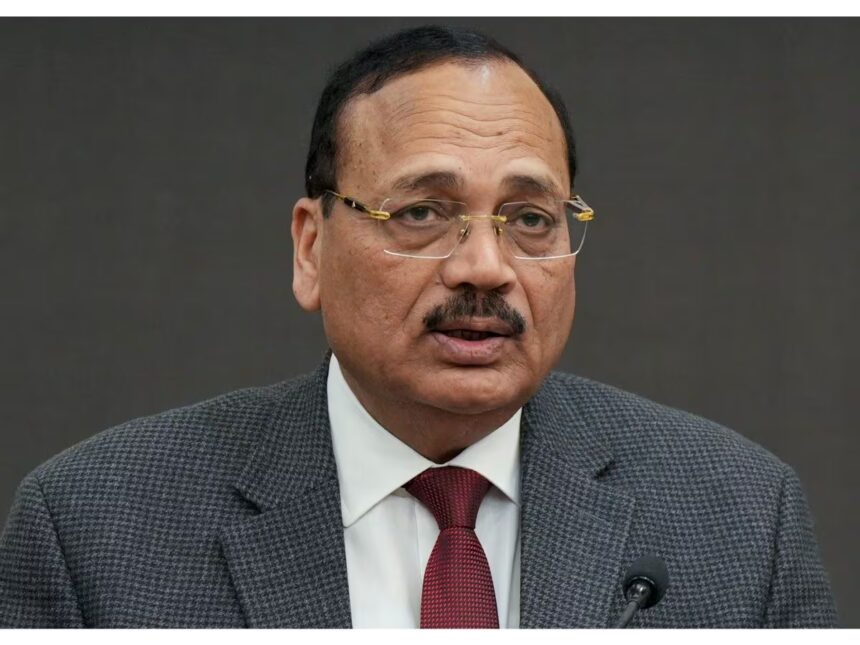
Chief Justice of India (CJI) Surya Kant on Friday clarified that his remarks regarding the Cockroach Janta Party (CJP) protest controversy had been misrepresented in sections of the media, reiterating that the Supreme Court remains open to all citizens and never refuses to hear any matter.
Speaking on the sidelines of the UNCITRAL conference in New Delhi, the CJI said reports suggesting that the apex court was unwilling to entertain petitions related to the student protests were inaccurate. “I have been misquoted in the media,” he said, emphasising that the Supreme Court is accessible to everyone.

“The Supreme Court is open to all persons. We are open 24/7. The Supreme Court never refuses to hear any issue,” the Chief Justice said. He pointed out that petitions mentioned before the court on Friday had already been listed for hearing on Monday, indicating that the judicial process was functioning as intended.
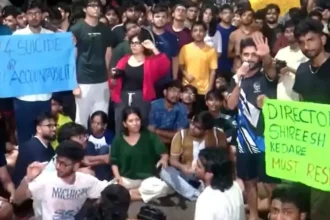
The clarification follows Wednesday’s hearing when the Supreme Court declined an urgent mention of a plea seeking intervention against the alleged police crackdown on student protesters participating in the CJP’s sit-in over the NEET-UG paper leak issue. During that hearing, the petitioner’s counsel referred to videos purportedly showing police excesses and urged immediate judicial intervention.
Responding at the time, the Chief Justice had remarked, “We are not interested in videos; we don’t have time to watch,” while also observing that the matter could not be taken up solely because a letter had been addressed to the court.
On Friday, however, the CJI stressed that while the court is always open to hearing grievances, litigants must follow established legal procedures. “If you send a letter and say you must hear me, that cannot happen,” he said.
Asked about allegations that his earlier remarks had contributed to the formation of the Cockroach Janta Party, the Chief Justice declined to comment, saying only, “No comments.”
Separately, Surya Kant highlighted India’s growing role in international judicial cooperation, saying such engagements showcase the country’s legal system, technological advancements and judicial progress on the global stage.