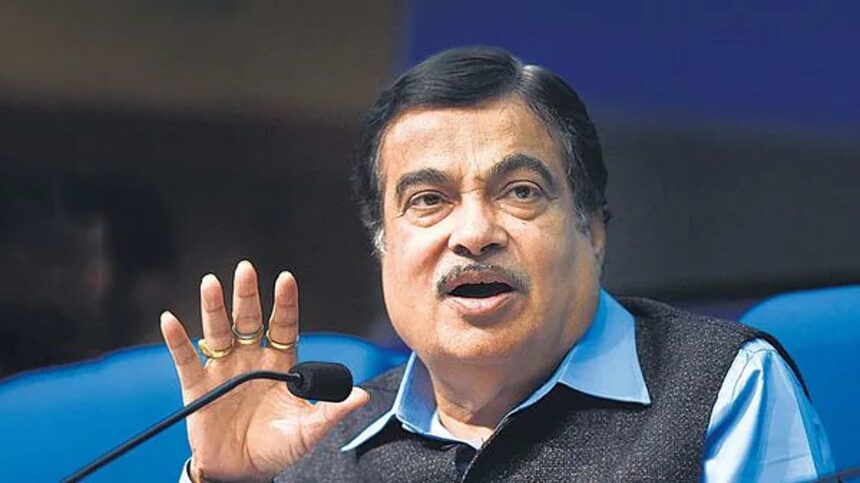
Union Minister Nitin Gadkari has secured permission from the Bombay High Court to file a civil suit against Meta, other social media platforms and unidentified entities over allegedly defamatory posts and deepfake content linking him and his family to financial gains from the Centre’s E20 ethanol blending programme.
The matter came before Justice Abhay Ahuja, who granted Gadkari leave under Clause XII of the Letters Patent. The procedural provision allows the Bombay High Court to hear cases on its original civil side when part of the cause of action arises within its territorial jurisdiction, even if other aspects extend beyond it.

Representing Gadkari, advocate Sandeep S. Ladda argued that the disputed content was accessible to users in Mumbai and was intended to reach audiences in the city, establishing sufficient jurisdiction for the High Court. However, because the same material was also available across other regions through online platforms, permission under Clause XII was required before instituting the suit.
According to the proposed civil action, the online posts and manipulated videos falsely alleged that Gadkari and his family benefited from the E20 ethanol policy. The petition contends that the claims are baseless, noting that India’s ethanol blending programme is administered by the Ministry of Petroleum and Natural Gas and not by Gadkari’s ministry.
The legal move follows an FIR registered in Nagpur earlier this month against four social media influencers accused of circulating misleading information about Gadkari and the E20 programme. Those named include YouTuber-politician Manish Kashyap, Instagram account Desi Boys (desi_boysncr), and influencers Harshit Rathi and Ankleash Invatee.
The Centre has repeatedly defended the E20 fuel programme as a key component of India’s clean energy strategy, maintaining that it is safe for compatible vehicles. However, the policy has attracted criticism from some motorists and automobile enthusiasts, who have questioned its impact on fuel efficiency and older vehicles not designed for higher ethanol blends.