The Goa Human Rights Commission (GHRC) has recommended a series of preventive measures, including quarterly in-spections of consumer water meters and public awareness campaigns on cleaning water storage tanks, following reports of worm-like organisms being found in the drinking water supply in Zarme village, Sattari taluka.
The Commission took suo motu cognisance of the issue after O Heraldo, in its June 11, 2026 edition, reported the discovery of worms in tap water supplied from the Dabose Wa-ter Treatment Plant, raising concerns over the safety of the drinking water. Notices were subsequently issued to the PWD Principal Chief Engineer, theSecretary and the PWD As sistant Engi neer, Sub-Di vision II, Valpoi. During the inquiry, the PWD informed the Com mission that Zarme village receives treated water from the 15 MLD Water Treatment Plant at Da bose. The water is first stored at Dabem before being pumped to Zarme for distribution. According to the department, it received the complaint on June 9 and immediately carried out an inspection. Officials checked the residual chlorine level at the complainant’s tap and found it to be within satisfactory limits. Water samples collected on June 9 and 10 were tested and declared safe and fit for consumption.

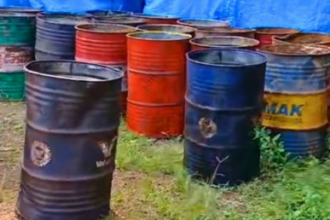
As a precautionary measure, the 50-cubic metre sump tank at Zarme was cleaned and disinfected. During the in spection, officials found the consumer’s water meter par tially buried in mud and advised that it be relocated. They also discovered a worm-like organism in the consumer’s overhead storage tank and observed that a pipe connected to the tank was in contact with drums in the washing area, creating a potential pathway for contamination. The PWD maintained that the public water supply com plied with prescribed potable water standards and that all necessary remedial and preventive measures had been tak en promptly. In its order, the Commission recommended that the PWD and the Health Department develop a protocol for inspect ing consumers’ water meters at least once every three months. It also called for awareness campaigns encouraging the regular cleaning of underground sumps and overhead storage tanks, while stressing the need to keep storage tank covers properly sealed to prevent contamination.
The Commission further recommended that village panchayats and urban local bodies promote safe water storage practices through notice boards, public announce ments, and social media campaigns. It also suggested intro ducing a checklist for meter readers, conducting surprise inspections by the Health Department, and developing an app-based reporting mechanism requiring meter readers to upload photographs and inspection reports through a mo bile application. The GHRC has directed the respondents to submit an action taken report or details of the proposed compliance measures by September 30 under Section 18(e) of the Pro tection of Human Rights Act, 1993.