Elsa Angel Rose
Despite abundant sunlight, vitamin D deficiency among Indians continues unabated. Vitamin D deficiency is not a new concern; it has long affected people across all age groups. A comprehensive review in the Indian Journal of Endocrinology and Metabolism reported that approximately 70–90% of Indians have insufficient vitamin D levels, highlighting vitamin D deficiency as one of the most widespread nutritional deficiencies in the country. “Most of the vitamin D is got by exposure of skin to sunlight, which synthesis inactive form of vitamin D (7 dehydrocholestrol) which is then transported to liver through blood as cholecalciferol (vitamin D3) which then reaches liver, there it is converted into 25 hydroxycholecalciferol (calcifediol) then finally goes to kidney then through an enzyme converted into active form of vitamin D,” said Dr Ashmitha Padma, an Internal Medicine specialist.

WHY SUNSHINE ISN’T ALWAYS ENOUGH FOR VITAMIN D
Receiving ample sunlight does not necessarily mean that people exposed to it are getting the required amount of vitamin D. Even when sunlight is available, spending the majority of the day indoors and having limited to no sun exposure can contribute to vitamin D deficiency. “The common reasons for vitamin D deficiency include spending most of the day indoors, limited exposure to midday sunlight, use of sunscreen or clothing that covers most of the body, darker skin pigmentation requiring longer sun exposure, obesity, ageing, and inadequate intake of vitamin D-rich or fortified foods. Certain medical conditions such as chronic kidney disease, liver disease, malabsorption disorders, and some medications like steroids and antiepileptic drugs can also increase the risk,” explained Dr Aditya Phadte, endocrinology and diabetology expert.
VITAMIN D MATTERS MORE THAN YOU THINK
Maintaining sufficient calcium and phosphate levels in the body is important to prevent weak bones and the resulting pain. It is immensely important for skeletal and non-skeletal muscle function; otherwise, it can create osteomalacia in adults and rickets in children. In addition, vitamin D plays an important role in immune function and has effects on several organs. “Vitamin D is also important for cell proliferation and differentiation, and low vitamin D can cause skin dryness and inflammation. Low vitamin D can also cause brain dysfunction and depression,” said Dr Ashmitha. Regarding the earliest telltale signs of a vitamin D deficiency, Dr Ashmitha explained, “Muscle pain, tingling pain, dryness of eyes or skin, calf muscle pain, pain in the feet, low energy or easy fatigue and more,” can be considered the earliest signs of Vitamin D deficiency.
VITAMIN D SUPPLEMENTS: WHEN ARE THEY NECESSARY?
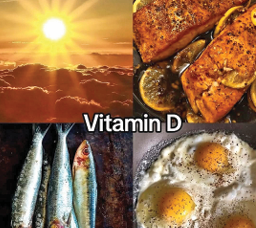
For ensuring sufficient vitamin D levels in the body, sun or UV ray exposure, dietary supplements like fish, mushrooms, or other medicines can be handy. But testing or consulting with a doctor about symptoms and deficiency before taking any required steps is important. “Since most Indian diets contain limited amounts of these foods, dietary intake is often insufficient. Vitamin D supplements are often necessary, particularly for individuals with confirmed deficiency, limited sun exposure, darker skin, obesity, older age, pregnancy, or certain medical conditions,” explained Dr Joline Fernandes, a nutritional therapist. She added, “Vitamin D should ideally be taken based on blood test results and medical advice. Excessive or prolonged high-dose supplementation can lead to vitamin D toxicity, causing high calcium levels, kidney stones, nausea, and kidney damage. More is not always better; supplementation should be individualised.”