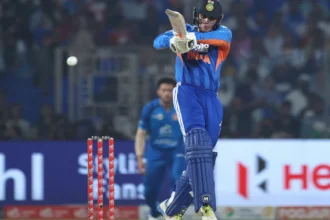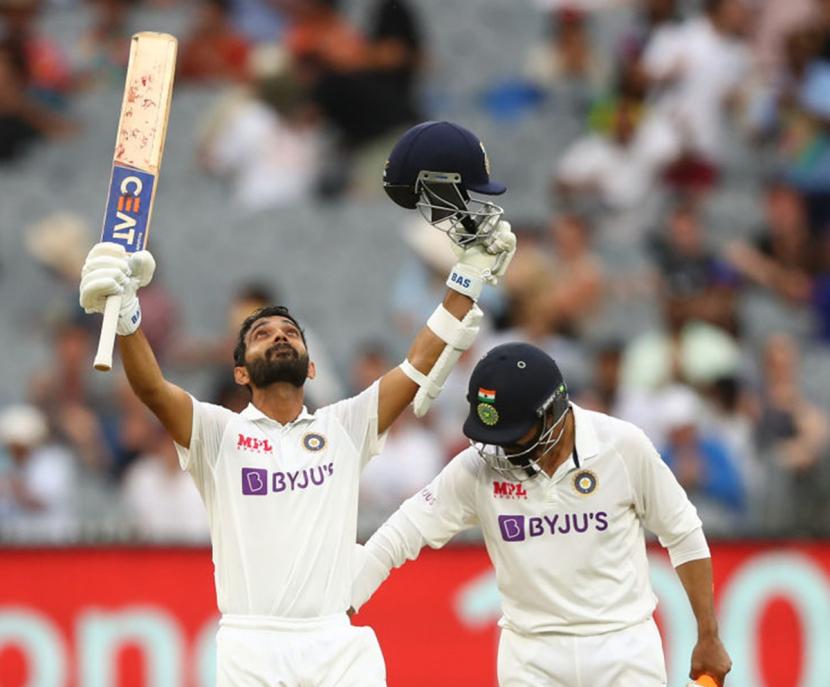
Ajinkya Rahane’s retirement from international cricket has not only marked the end of a distinguished career but has also brought renewed attention to the Board of Control for Cricket in India’s (BCCI) pension scheme for former cricketers. Having represented India in 85 Test matches, Rahane qualifies for the highest pension slab under the BCCI’s welfare programme and is eligible to receive ₹70,000 per month.
While modern cricketers earn substantial sums through central contracts, the IPL and endorsements, many players from previous generations did not enjoy similar financial opportunities. To ensure retired cricketers continue to receive financial support after their playing days, the BCCI has steadily expanded its pension scheme, which today covers former male and female cricketers, first-class players, umpires and match officials.

A major revision to the scheme came into effect on June 1, 2022, when the BCCI significantly increased pension amounts across various categories. The move benefited nearly 900 former players and officials, with several pension slabs witnessing increases of up to 100 percent.
| Category | Monthly Pension |
|---|---|
| Senior former Test cricketers | ₹70,000 |
| Former Test cricketers | ₹60,000 |
| Former first-class cricketers | ₹30,000 |
| Pre-2003 first-class cricketers | ₹45,000 |
| Former India women internationals | ₹52,500 |
| Pre-2003 women first-class cricketers | ₹45,000 |
The scheme is designed to recognise different levels of contribution to Indian cricket. Pension eligibility depends on factors such as the format played, number of matches and retirement period.
Apart from the monthly pension, the BCCI also enhanced medical reimbursement benefits for eligible retired cricketers who have played at least 10 first-class matches, increasing the assistance limit from ₹5 lakh to ₹10 lakh.
The pension programme has become one of the most comprehensive welfare initiatives in world cricket, providing long-term financial security to players who represented India or contributed extensively to domestic cricket before the sport became commercially lucrative.
Some state cricket associations have also introduced independent pension schemes for former Ranji Trophy players, offering an additional layer of financial support to retired domestic cricketers.
With Rahane now joining the list of retired internationals, his eligibility for the top pension bracket highlights how the welfare programme continues to support former players beyond their careers. The scheme reflects the BCCI’s broader effort to recognise the contribution of cricketers across generations, ensuring that legends of the game remain financially supported long after they leave the field.