The theme for World Environment Day 2021 was “Ecosystem Restoration” and the UN Decade on Ecosystem Restoration has been launched. Ecosystem restoration means assisting in the recovery of ecosystems that have been degraded or destroyed, as well as conserving the ecosystems that are still intact. The UN Decade on Ecosystem Restoration 2021–2030 is intended to massively scale up the restoration of degraded and destroyed ecosystems to fight the climate crisis, prevent the loss of a million species and enhance food security, water supply and livelihoods. Reviving natural carbon sinks – such as forests and wetlands – could help close the climate emissions gap by 25% by 2030.
One of the urgent target of Sustainable Development Goal (SDG)-6 was to protect and restore water-related ecosystems, including mountains, forests, wetlands, rivers, aquifers and lakes. The protection of the water-related ecosystems including coastal wetlands such as age-old mangroves and salt marshes, inland wetlands and upland forests is critical for implementing nature-based solutions for mitigating disaster risks.

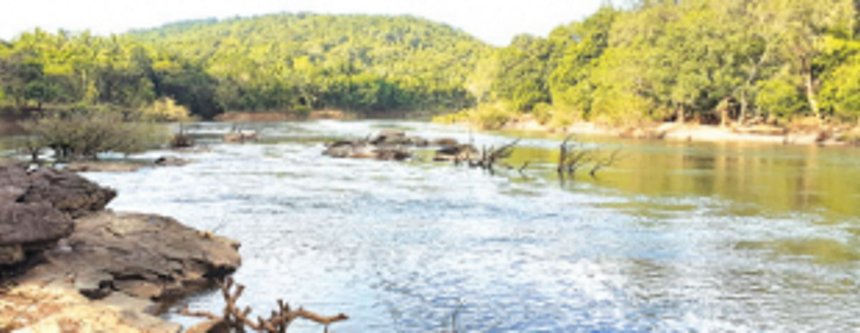
There was a shocking news report in Herald (refer page 2) dated August 6, 2021 on the man-made disaster at Satrem village in Sattari Taluka under the Mhadei Wildlife sanctuary due to destruction of water-related ecosystems. I also refer to the earlier front page Herald news reports dated August 5, 2021 and July 31, 2021 mentioning about environmental flow (e-flow). It appears that the e-flows mentioned in these reports are for resolving sewerage or effluent treatment plant issues related to unwanted mega projects in the river basins.
Are we first deliberately destroying the water-related ecosystems along the banks of the ecologically sensitive rivers and at other locations ? Are we then attempting to define e-flows through water policies for allowing rapid urbanisation linked to the housing and industrial projects for waste water disposal and for creating water stress areas due to unplanned urbanisation?
Massive flooding has been caused in recent years damaging roads, bridges, farmlands and settlement areas due to the release of water from upstream reservoirs, unplanned river diversion & over topping of the river banks. These man-made flooding disasters are due to inadequate storage capacities of dams, related to sedimentation, unsustainable land-use development plans and environmental degradation.
The traditional irrigation systems practiced by the local village communities in Goa for centuries along the river banks and surrounding areas had water conservation & river-control/water management principles developed to face the challenges associated with the monsoon climate. However, vast areas of agricultural lands, the traditional irrigation systems and other physical infrastructure are being destroyed or damaged during floods due to unsustainable changes to land-use plans, improper management of construction debris and degradation of water-related ecosystems. Can we blame climate change for such man-made flooding disasters?
The dam reservoir water storage planning issues such as prevention of reservoir sedimentation through protection of land-use plans of upstream catchment areas and restoration of the required land-use plans of the downstream irrigation command areas and domestic water supply betterment areas (considering sustainable population growth rates for planned water demands) should get top priority in formulating sustainable water management policies.
The World Meteorological Organization (WMO) has published a report providing guidance on Environmental Flows integrating e-flow Science with Fluvial Geomorphology to maintain ecosystem Services. WMO has clearly stated that there is no available guidance/legislation in India for e-flow assessment and further states in their report that proposed recommendations for a longer term e-flow research programme only are available.
It should be specifically stated in the water management policies that e-flows required for various levels of climate risks should be based on site-specific assessment of dependable flows. The objective is to take necessary steps to fully protect and conserve the catchment areas of the river and its tributaries legally, on priority basis. Have we not learnt enough lessons from the recent man-made flooding disasters in Goa to prevent future disasters? Are there hidden land-use plans to support unwanted mega projects for allowing Mhadei river water diversion with e-flows?