Brown is scrutinised at home yet celebrated abroad, exposing the double standards in colourism
Elsa Angel Rose

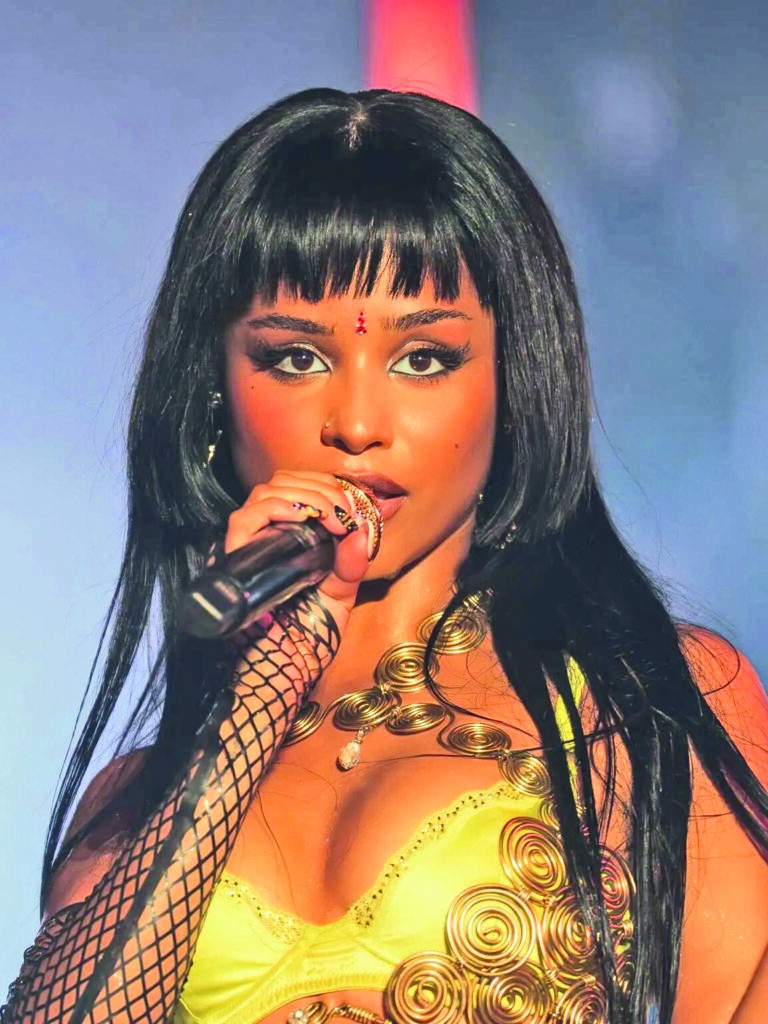
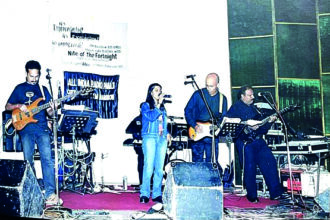
A concert that gained a massive turnout of ‘baddies’, pop icon (South African singer–songwriter) Tyla’s performance in Mumbai was nothing short of a majestic dream. Thereafter, what followed the concert in the online sphere was even more majestic and definitely dished out a real ‘baddie’ mindset. Many women came out calling out men who admired Tyla’s beauty in her ethereal brown skin tone, for trolling them for having the same skin tone as hers.
Reddit commentators were also quick to weigh in. One account posted, “Tyla is drop-dead gorgeous, but it made me realise that the brown girls will never be appreciated in this country. I see many reels and comments on how everyone is gushing over her beauty, and while she is incredibly beautiful, there are plenty of Indian girls with the same features and skin tone who will be told they are not beautiful in our country.” Another post read, “One thing I’ve noticed is that brown girls are complimented a lot more in the West than in India itself, so I agree with what you’re saying.” Social media was buzzing with comments of hypocrisy and double standards when it comes to colourism and beauty in India (Which are as long-standing as Darwin theories, sighs). The same skin tone that is looked down on in Indian women was praised when it was on somebody abroad, showing everyone knows what.
Dr Aida Dourado, a sociology educator from Nuvem, conveyed, “This incident speaks volumes about the level of hypocrisy one can display. It clearly shows a desire to impress others, without giving a second thought, unconsciously forgetting the damage on the home front.” She added, “We like to hurt our own and impress an outsider.”
Influencers in Goa confront colour bias
Influencers and content creators are vessels onto which people constantly project their beauty standards and interests. It has happened innumerable times, and they have learned to take it with a pinch of salt. Neha Baig, a brown model, content creator, and burn survivor, shared, “It’s ironic how brown skin becomes celebrated only when it’s validated by the global gaze. On Indian women, the same skin is often policed, corrected, or softened. Brown skin is part of our identity, not something to be corrected. The praise it receives globally should remind us to respect it locally without comparison.”
Nadaisa Caren Gomes, another brown content creator and a celebrity makeup artist from Varca, shared, “As an influencer, you become a public canvas, and people feel entitled to project their ideas of beauty onto you. It clearly reflects how deeply ingrained colour bias still is in society.” Whenever she has posted content on socials, essentially when it is close-ups or beauty-related work, there has been an underlying focus on skin tone, which, as she said, is “sometimes subtle, sometimes very direct.”
At times, family and at times movies and other media
Growing up in an Indian household has been more like prepping for some civil war. From a young age, if your skin tone leans more towards a brownish or dusky shade, then all the more intense war prep. ‘She looks really pretty even though she is dark’, ‘He would have better options in the marriage market if he was little fairer,’ taunts have no end. Nadaisa shared, “Growing up, casual comments like ‘you’d look prettier if you were fairer’ or comparisons within social and family circles were common and often said without realising the impact.” Other than family and relatives traumatising with absolutely unnecessary and regressive opinions, another factor, stating the obvious, is how the media, including advertisements, movies and shows, perceive beauty and the way they choose to represent the unrepresented. Nadaisa said, “Even in adulthood, especially in the beauty and influencer space, I’ve experienced situations where fairness was subtly equated with being more ‘marketable’ or ‘desirable’.”
Dr Aida on whether brown representation has increased or has biases simply become subtle, “To be honest, both things are happening at the same time. There are signs of improvement, but deep-rooted biases still persist, often in quieter and more subtle forms. Things are projected in such a way that no one can identify them, yet noticeable. Discussion and exposure occur at different levels, but real work lacks weight.”
Under the Spotlight, under Judgement

Being shamed at home is not new. Global icon and the known ‘Desi girl’ Priyanka Chopra, when she was in the nascent stage of her career, was not walking on a bed of roses, especially with people criticising her for not being ‘fair enough.’ Television actress Devoleena Bhattacharjee (Known for her role as Gopi in ‘Saath Nibhaana Saathiya’ serial), whose toddler son Joy was recently subjected to trolling on social media, stated that her stand is against racism and that she hopes for a society free from all forms of discrimination. ‘All we imagine as light’ movie actress Kani Kusruthi has also openly spoken about the colour bias that exists in the movie industry. The bias towards a fair or lighter skin is something that every actor, and especially actresses in our country, has to tackle. Suhana Khan, Malaika Arora, Radhika Apte, Bipasha Basu and even more actresses were constantly pulled down by referring to their skin tone as an unattractive factor in them.
Unlearning Bias, Reclaiming Beauty

Brown representation has to be prolific. Seeing brown models like Bhavitha Mandava (First Indian woman to open Chanel Show), Neelam Kaur Gill (First Punjabi model to walk Victoria’s Secret fashion show in 2024 and returning in 2025), definitely offers some hope for brown representation. Things have to be changing, for more obvious reasons, there is no other way around. Judging a person’s worth based on their appearance or their skin colour is as low as a person can stoop. Neha said, “It starts with unlearning. We’ve been conditioned to associate beauty with certain standards for generations, so breaking that mindset takes conscious effort.”
The irony of celebrating brown beauty only when it arrives with foreign validation exposes how deeply colourism is embedded in everyday life, from family conversations to pop culture and digital spaces. While representation is increasing and conversations are finally being had out loud, true change lies beyond performative appreciation. It demands accountability, unlearning, and a conscious refusal to measure worth through colonial lenses.