On August 1 each year, people around the globe come together to celebrate World Wide Web Day, commemorating the invention and impact of the World Wide Web. This day serves as a reminder of the profound transformation that the digital revolution has brought to our lives. From connecting individuals across the world to revolutionizing communication, the World Wide Web has undoubtedly changed the way we live, work, and interact.
The World Wide Web, commonly referred to as the Web, was invented by Tim Berners-Lee, a British computer scientist, in 1989. At the time, Berners-Lee was working at CERN, the European Organization for Nuclear Research, where he envisioned a system that could link and organize information across a vast network of computers.

The first website was created in 1991, and the world witnessed the birth of the Web as we know it today. It was a significant milestone in the history of technology, and its potential was soon recognized by individuals, businesses, and governments worldwide.
One of the most revolutionary aspects of the World Wide Web is its ability to connect people from all corners of the globe. Prior to the Web’s existence, communication and information-sharing were limited to traditional media, such as newspapers, radio, and television. The Web broke down geographical barriers and made instant communication possible, allowing people to connect, collaborate, and share ideas effortlessly.
“I use the internet to keep myself updated,” says Anand Govekar, a video editor from Anjuna, who is in the news industry. “I also use the internet to download videos and images, and to communicate with my co-workers who are reporting news from all over Goa.”
Social networking platforms like Facebook, Twitter, and Instagram emerged as a result of the World Wide Web, changing the way we interact and connect with others. These platforms enabled the formation of virtual communities, bringing people together based on shared interests, hobbies, or backgrounds. Social media revolutionized communication, making it instantaneous and borderless.
“I use the internet to connect with my friends, I think that is the most important thing,” says Devanshi Bhattacharjee, a 14-year-old student from Dabolim. “Even with people I am not close with, I can chat with them on Instagram, or WhatsApp without having to call them.” She was also a student during the pandemic and took online classes. The pandemic was a time that proved that students can now pursue degrees and certifications from top universities without ever setting foot on a physical campus.
The advent of the World Wide Web also gave birth to the e-commerce industry. Online shopping became a game-changer, providing consumers with the convenience of purchasing goods and services from the comfort of their homes. E-commerce giants like Amazon and Flipkart emerged, transforming the retail landscape and revolutionizing the way businesses operate. It enables businesses to reach a wider audience, conduct e-commerce, access valuable data and resources, collaborate remotely, and streamline operations. The internet has leveled the playing field, empowering businesses of all sizes to thrive in the digital age.
“I use search engines primarily to look up people, research possible sites, and keep track of new trends,” says Brett Sequiera, a 22-year-old professional from Panjim, who works in real estate and construction.
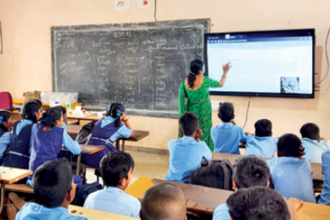
With the Web at our disposal, information became more accessible than ever before. Search engines like Google and Yahoo allowed users to find answers to their questions in a matter of seconds. From academic research to recipes, from historical facts to breaking news, the Web became an infinite source of knowledge. Teachers use the internet for lesson planning, educational resources, interactive activities, online assessments, and communication with students and parents.
“As a political science teacher, I use the internet to study the latest case studies or keep up to date with current affairs,” says Marilia Fernandes from Vasco.
The internet has become an indispensable tool for software engineers, offering a vast array of resources and opportunities. It provides access to coding tutorials, documentation, and open-source libraries for efficient development. Collaboration platforms enable teamwork, while online communities foster knowledge-sharing and problem-solving.
“I use the internet to debug and resolve errors, google solutions, optimise codes and understand certain parts of codes,”
says Vaibhav Mishra, a 23-year-old software engineer from Fatorda.
Moreover, it has enabled hospitals to function more smoothly, Hospitals use the internet for various purposes, such as accessing electronic health records, telemedicine consultations, online appointment scheduling, medical research, sharing medical information securely, and improving patient communication through portals and messaging systems.
“The internet helps as a reference source to get the latest information on the subject, and connect with patients & other fraternity members,” says Sangeeta Jain, who works in hospital management
The transformative power of technology and the profound impact of the World Wide Web on society is evident in the way life has been made easy for people in different professions. Looking ahead, the future of the Web is full of exciting possibilities. Innovations such as artificial intelligence, virtual reality, and the ‘Internet of Things’ are expected to further shape the digital landscape and revolutionize industries.
World Wide Web Day is a time to reflect on how far we’ve come since the Web’s inception and to contemplate the role technology will play in our lives in the years to come. It is a day to appreciate the pioneers of the digital age and to acknowledge the responsibility we all have in using the Web responsibly, ethically, and for the greater good. The founding principle of the web, after all, is to be a tool for the empowerment of individuals and a force for positive change in the world.