Athul KP
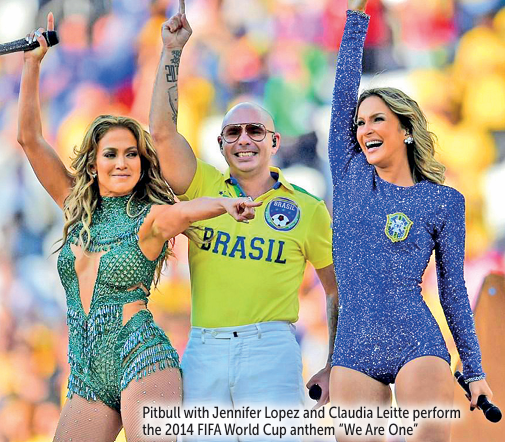
The FIFA World Cup has always been more than just football. Even before the first whistle blows and stadiums erupt in celebration, every tournament arrives with something else, a soundtrack: the football anthem. More than just songs, anthems carry emotion, identity, and a sense of togetherness. They have the power to bring people across borders, languages, and cultures together. For millions of fans, these tracks instantly bring back memories of iconic goals, unforgettable celebrations, and moments that defined entire generations of football. Former Indian international footballer CK Vineeth says these songs create a unique connection among fans worldwide. “These songs unite people all over the world. The music brings out different cultures and creates a special feeling around the tournament,” he says. Vineeth adds that his all-time favourite football anthem remains ‘Waka Waka (This Time for Africa)’ by Shakira, a song that continues to resonate with football fans more than a decade after the 2010 World Cup. Omkar H, musician and founding member of FC Goa Fan Club, says World Cup anthems play a major role in shaping the identity of every edition of the tournament. “Anthems play a massive role in building the atmosphere of a tournament. They create excitement, emotion, and nostalgia around a World Cup even before the first ball is kicked,” he says. The best World Cup songs are the ones that stay relevant long after the tournament ends. “People may forget certain matches or scorelines, but they remember the songs. That shows how deeply music is connected to football culture,” he adds. Ultimately, World Cup anthems are about emotion. They capture the nervous excitement before kickoff, the joy of victory, and the heartbreak of defeat. More importantly, they reflect the collective emotions of billions of people around the world experiencing the same moments together — proving that sometimes football is remembered not just through goals, but through music as well. SHAKIRA: THE UNDISPUTED QUEEN OF WORLD CUP ANTHEMS When it comes to FIFA World Cup songs, few artists have created an impact as lasting as Shakira. Over the years, the global pop icon has become synonymous with football anthems, delivering songs that have transcended stadiums and evolved into worldwide cultural moments. From ‘Waka Waka (This Time for Africa)’ to ‘La La La’ and now the buzz around ‘Dia Dia,’ Shakira’s connection with the World Cup continues to grow stronger. Her songs are not just tournament tracks — they become celebrations that Shakira and Burna Boy unite fans across countries, languages, and generations. Music enthusiasts and football fans alike often describe ‘Waka Waka” as one of the greatest World Cup songs ever made. Its infectious rhythm, African influences, and uplifting energy turned it into a global phenomenon that still echoes in stadiums and playlists years later. “Shakira has a unique ability to blend music, culture, and emotion in a way that connects with football fans globally. Songs like ‘Waka Waka’ and ‘La La La’ (Brazil 2014) turned into anthems because they captured the excitement, along with her crazy performances, multicultural appeal, and catchy rhythms,” says Rochelle. “Shakira is a global icon. She is adored around the world and has fans from every age group. She inspires many people, and her FIFA songs over the years have proved her credibility. Whatever she touches turns to gold, and even the organisers know it,” says Waking Grunt. According to him, Shakira’s success with football anthems lies in her ability to naturally blend her voice and performance style with energetic genres like Latin pop and Afrobeat. As FIFA anthems continue to evolve with changing musical trends, Shakira remains one of the few artists whose songs consistently capture both the emotion of football and the excitement of a global celebration. FROM LATIN POP TO K-POP: THE GLOBAL EVOLUTION OF WORLD CUP ANTHEMS The evolution of FIFA World Cup songs mirrors the transformation of global music itself — moving from orchestral anthems and Latin pop to Afrobeat, EDM (Electronic dance music), and K-pop. What once served as simple tournament music has grown into a worldwide pop culture phenomenon. Today, FIFA collaborates with international stars from multiple music industries, blending diverse sounds and audiences onto one global stage. The inclusion of Jungkook during the 2022 FIFA World Cup highlighted how World Cup songs now extend far beyond football fans, targeting massive streaming audiences and digital culture worldwide. “Regular pop songs can express different emotions depending on the theme. But a global sports anthem needs catchy choruses, crowd participation through chants, and an energetic dance rhythm,” said Waking Grunt, aka Amit Naik, rapper and musician. He adds that genres such as Latin pop and Afrobeat naturally fit the atmosphere of sporting events because of their rhythm and celebratory feel. “Music brings energy and emotion to fans cheering for their teams. Sports anthems need a ‘let’s dance and sing along’ appeal, which makes them different from regular pop songs,” he says. Social media has also changed everything. A World Cup song today is expected to trend on TikTok, dominate YouTube, become a stadium chant and work as a global pop single all at once. Rochelle Lourdes Braganza, a singer, says, “Social media plays a huge role in making World Cup songs globally popular. Platforms like Instagram, YouTube, and X have helped songs spread instantly through dance trends, fan edits, reels, and match highlights. Any music, for that matter, is no longer just watched on television — it automatically turns into viral culture. A World Cup song becomes part of this online culture, and fan engagement helps these songs stay relevant long after the tournament ends.” The anthem is no longer just the soundtrack of football — it has become part of global pop culture itself.