Accidents, fatalities and injuries continue to grab the space of breaking news and headlines in Goa across all media platforms. The government has been assuring and reassuring the citizens that all will be well and that it is taking all required measures to ensure the safety of motorists on the roads.
On Friday morning, February 9, news began flashing on media platforms about two fatal accidents around 10 am. One in Porvorim and the other near the KTC bus stand in Panjim. Both led to the deaths of elderly women, while one was riding pillion with her husband on a scooter in Porvorim, the other came under the wheels of a bus in Panjim.

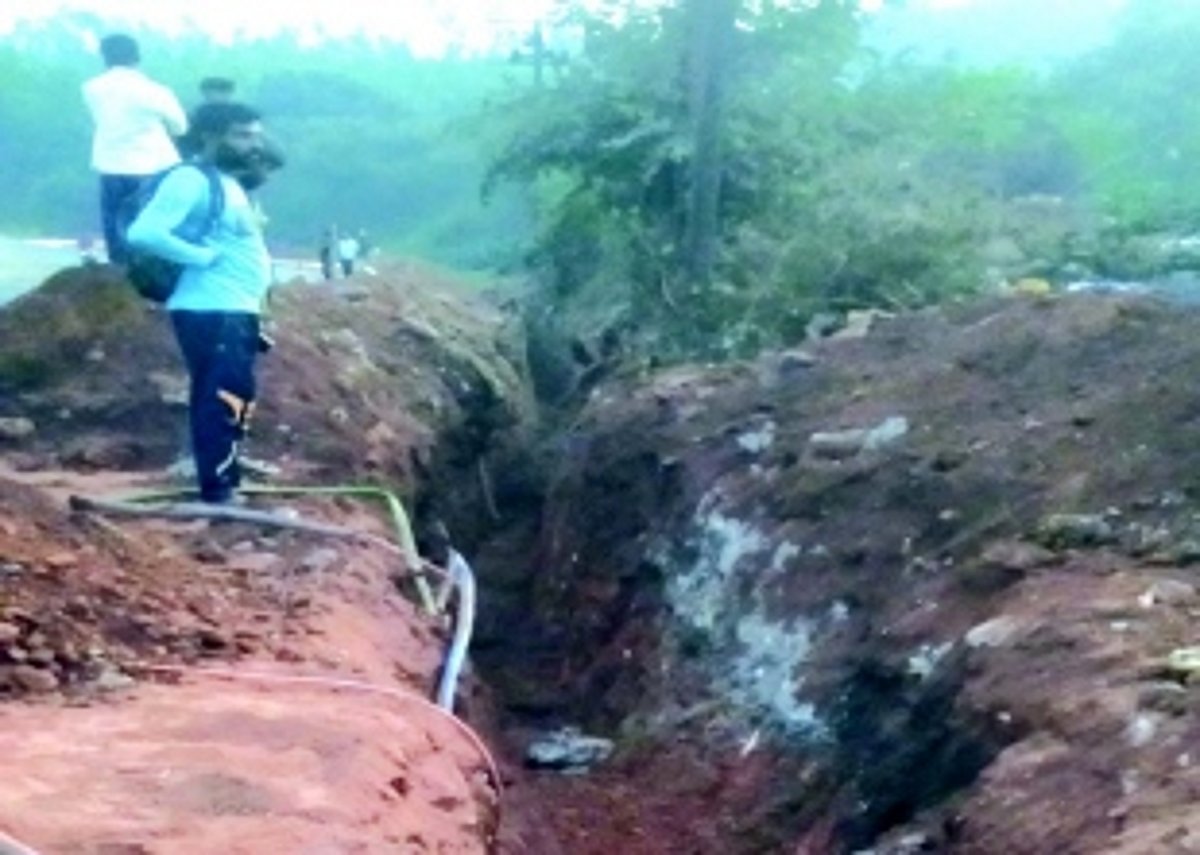
The most difficult part in the present day is to pinpoint one single reason for the alarming fatal accident rate in Goa, especially involving two-wheelers. The State for the last several years has been in the infrastructure development mode, which primarily involves roads, bridges and underground cabling. It is difficult to find a single road, including in villages, where the government is not digging up the roads haphazardly or has left the work halfway, that is leaving the road unattended without even laying a layer of tar after the so-called completion of the work. Perhaps the government agencies have gotten used to some or the other department or contractor digging the road again and again without paying heed to the troubles that the citizens face. Panjim, the capital city, is the best example of the stark reality.
While new promises of better connectivity are made and plans announced, the truth is that every such plan brings along yet another trouble and then the search for another solution begins, and the cycle continues. For a decade, if not more, highway expansion is on the cards, and the government has been undertaking this development project in a piecemeal approach. After all the fanfare of road completion, the government wakes up the very next day to realise that the traffic growth needed flyovers and bridges, service roads or dedicated lanes for two-wheelers, etc. This approach exposes the lack of ability to undertake futuristic planning and execution.
Though 15 months have passed when Chief Minister Pramod Sawant after the open forum with the public and various departments announced that a comprehensive report would be prepared within a fortnight, and implementation of a robust plan to tackle the issue of road safety would begin from December 1, 2022, no such plan has been made public and Goans continue to witness fatal accidents week after week.
The least that a citizen would expect is proper policing. Whenever a VIP is visiting the State, the police personnel are seen at almost every 200 metres. But on a normal day, neither the police nor the transport department is bothered to ensure road safety. However, one will be able to see the policemen in groups at specific points and at night nakabandi, not for the safety of the motorists but for completing the monthly challan targets and revenue generation. But that hasn’t helped the cause of road safety.
Road safety cannot be achieved by celebrating awareness weeks on campuses, but by ensuring police presence at junctions, the road stretches that are narrow and undergoing digging where road disciplining is required. The police’s focus needs to shift from issuing challans to public safety. Corrupt practices need to be dealt with an iron hand and most importantly, instead of being perceived as enemies of motorists, police need to become well-wishers of road users.