Institutes of higher education have been permitted to begin physical classes from September, but students of the lower classes up to Class XII will have to wait to go back to school. Colleges have got the clearance for offline classes as students are above the age of 18 and hence eligible for vaccination. It, however, is not an order to colleges to open, as they have been given the freedom to decide depending upon the ground realities of infrastructure and proper standard operating procedures. A mandatory measure is that staff, who have not been vaccinated, will have to produce an RT-PCR test report every week to attend classes.
There appears to be a consensus among college teachers that institutions had to reopen as students had already missed out on classes for an entire academic year. The fluctuating Internet connectivity was not the best of options for online classes, but teachers and students made do with it for all of the last academic year. With cases now down, the test positivity rate below 5 per cent and a large percentage of the population already vaccinated, physical classes do appear to be the better option and there has been no opposition to the decision to allow physical classes for colleges and the university, on the contrary it has been welcomed by college managements, staff and students.

Requests instead have come for special vaccination camps for staff and students that have not been immunised so that classes can resume with the knowledge that all have been vaccinated against the virus. Vaccination will naturally help, but other protocols have to be followed to contain any spread that may occur. Standard operating procedures may work to a certain extent, but is there a plan in place of the protocol to be followed if a student or a teacher tests positive? That – a single fresh case that can spread the virus as happened in several countries that opened educational institutions – is the main fear in reopening colleges.
A few colleges, however, are likely to offer their students the option to continue with online classes, which could increase the workload on the teaching staff, but simultaneously permit physical distancing on the campus, which at the current point of time is a requirement. A blend of online and offline classes could well be the best possible solution in the immediate weeks ahead after colleges open, but at some point all classes will have to return to physical mode, as that is the best available practice for teaching. Goa’s online classes experience has not been the best, so getting students back to the classroom would possibly be the best approach.
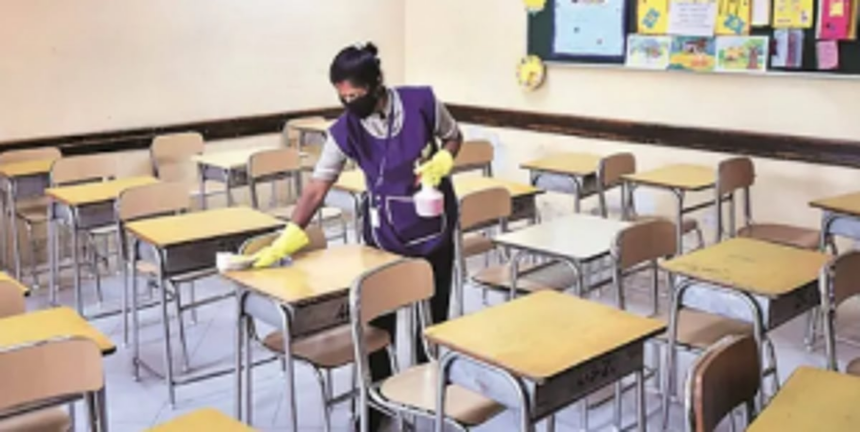
Goa also has to take into consideration how other countries have managed physical classes post the pandemic. Certain countries that reopened educational institutions found expenses going up, as costs of personal protective equipment, such as masks and face shields, for students and teachers had to be factored in, as well as sanitisation material for the cleaning process. Due to social distancing norms, the small classrooms forced the hiring of more teachers.
In India, many institutions of higher education did start physical classes. This week, schools in Uttar Pradesh reopened with 50 per cent attendance. Students wishing to attend classes have to get a signed consent form from their parents and will have to maintain physical distancing and wear masks. Classes will be held for five days and the school will be totally sanitised on the weekend in Uttar Pradesh. Goa, as it gets ready to reopen colleges would possibly have to bring in certain measures for all institutions to follow and not leave it to the college managements to decide on standard operating procedures. It is always preferable to err on the side of caution, rather than any other.