Reports coming in show a positive growth rate in the last quarter of the previous fiscal, with the gross domestic product growing by 1.6 per cent in January-March 2021 when compared to the same period last year. The reports also say that this was mainly driven by State spending and manufacturing sector growth.
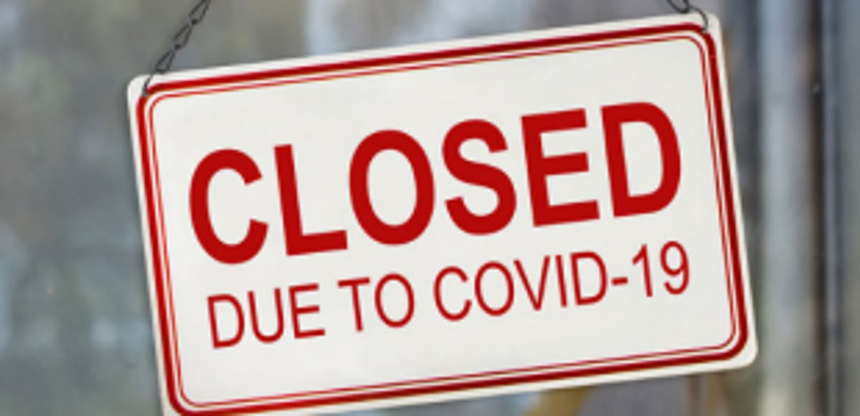
That was before the second wave of the coronavirus pandemic descended upon the country and led to several States imposing lockdowns to bring down the virus transmission rate. Despite being fully aware that any such restrictions would have a negative effect on the economy, States had no option other than locking down to stave off the virus. As a result of this the first two months of the current fiscal – April and May – would not be able to match the growth of the last quarter of the previous financial year. It is therefore not surprising that economists are cynical of the economy showing an improvement this fiscal as the country is still in the grip of the second wave, though it is now declining.

As of the end of May, the country had recorded 28 million COVID-19 infections. It is the second most hit nation after the United States and has reported over 3,29,100 deaths. The encouraging sign here is that the cases, deaths and test positivity rate are now dropping and doing so quickly. States are likely to lift restrictions this month as the pandemic eases. Such a move will revive the economy, though it will be a slow process. The worrying sign is that there are predictions of a third wave in India that could affect children. Some countries in Europe, for that matter, are already battling another spurt of COVD-19 cases, however, this is still within control.
Going by the Europe experience, a revival of India’s economy will depend entirely on the country being able to bring the pandemic under control and not allowing the virus to spread as it has done in the second wave. Two waves of the pandemic have taught us that the most potent weapon against the virus has been isolation of the population. Though the Centre had advised mini containment zones to fight the second wave, States that saw cases across their geographical areas had little option other than blanket lockdowns. Will the Indian economy be able to ride a third lockdown? Going by the current economic situation and the experience of the first country-wide lockdown, this just does not appear possible.
Factors that have led to the economic slowdown include, besides industry and trade being closed, even after retail opened, consumer demand slowed down, primarily due to job losses and lowered incomes. This is continuing and unless there is a robust rise in demand, the economy will not grow. A rise in demand depends on more spending power in the hands of the people making it a vicious cycle that will require government intervention to ease. The country, therefore, has to avoid a third wave for reasons of health – which means saving lives – and also for reasons of wealth – to keep the economy afloat. This is not going to be easy for the government as consumer spending depends on the wellbeing of the people, which the pandemic has badly hit.