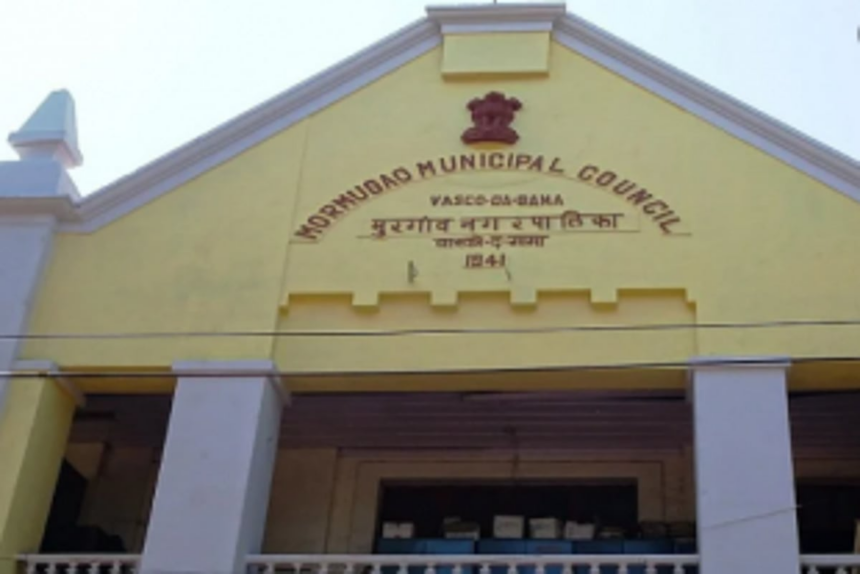
Mormugao Municipal Council workers have not been paid their salaries since January this year due to a dearth of funds and this yet again turns the spotlight on municipal finances. The employees have given the council up to Monday to pay the salaries, before they protest. The council was seriously considering and had even initiated the process of securing a loan from the bank to pay the staff their salaries. Securing loans to pay salaries may not be the wisest of decisions that a local governing body can make, but this shows the desperation of the council in the matter and also exposes the lack of planning and vision.
In a rather strange reason for the delay in salary payment, it has been reported that the council is facing a fund crunch as staff, being on election duty, were not able to collect revenue. We are well aware that the election model code of conduct effectively pauses quite a bit of government functioning, but unavailability of staff for normal services is a new one. This raises the question of whether the election procedure requires such huge deployment of staff that regular work of departments and in this instance, municipal councils, gets affected to the extent that there is no revenue collected to meet staff salaries?

The delay in salary payments to the employees of the Mormugao Municipal Council is not the first instance that has come to light in recent months. In October last it had been the Margao Municipal Council that had faced a similar problem, and had later gone on a drive to mop up unpaid taxes, during which it was found that a large number of businesses had not been registered and were plying their trade illegally. If this is the case in one town, it could also be the same in others. All it requires is a survey of the town and its businesses.
While that would tide over for a while, this does call for a complete overhaul of the functioning of the municipal councils in the State. Goa’s civic bodies do not have any major avenues for generation of funds and depend almost entirely on the house tax and commercial tax that is levied, the payments for signages, and largely on the grants from the State. In effect they are almost dependent on the grants from the government for their financial survival. For their own survival, this would have to change and revenue generating measures undertaken. All they need to do is put in some extra effort.
Excuses for lack of revenue in the past in other councils have included the pandemic that permitted relaxations in payments. The matter, however, cannot be set aside but requires a solution to ensure that councils are not deprived of finances – whether they be grants or from their own revenue avenues. Revenue shortage among councils is not restricted to Goa, but there are councils in other States that face similar situations. Goa’s municipal councils have to take the initiative to look at revenue earning means elsewhere. Getting elected with promises of development will result in achieving nothing if there is no budget for development.
The financial year is coming to an end and the new one will start in less than a month’s time. As an exercise, all municipal councils in the State should include at least one new revenue generation proposal, within the ambit of the duties, in their respective budgets for the year 2022-23. Unless such an exercise is undertaken, they will not be able to increase revenue, and remain dependent on the government. One has to understand that unless a council is able to meet regular expenditure such as salaries, there can be no development of the town.