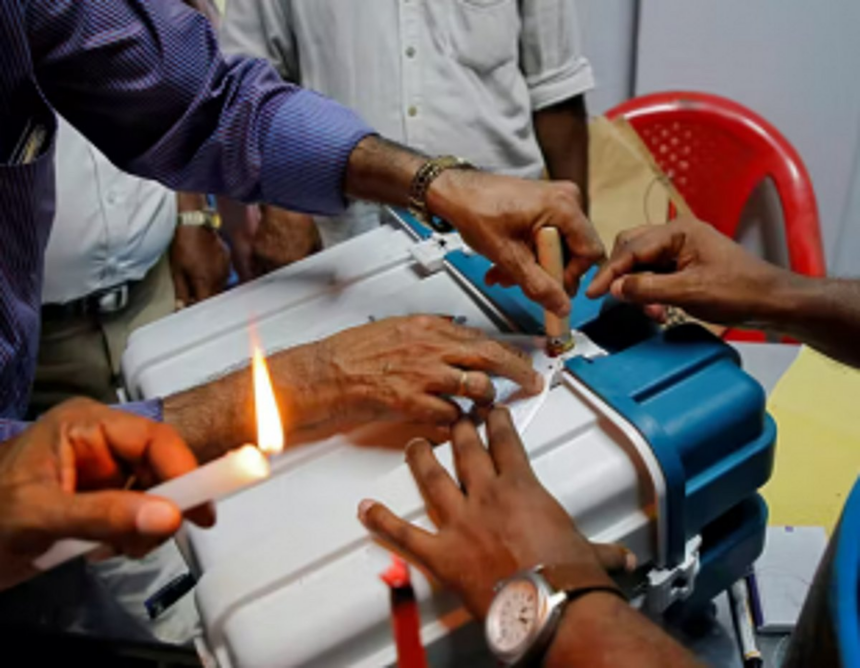
It’s a long wait for the count, yet less than that of the previous election five years ago. Until that date, any predictions or forecasts of the possible results will be purely speculative, with nothing much to base the calculations upon, except hearsay. Even the results of the exit polls cannot be telecast till the evening of March 7, when the seven phase polling process in Uttar Pradesh ends.
Political activity in the State, that was high during the campaign, will now subside as the frenzy of electioneering of the past month has ended. It will recommence with the counting of votes and the government formation. Based on past elections, a result that gives any one party a majority will see government formation happening quickly, but a fragmented verdict could lead to long days of uncertainty and negotiations between parties. In the case of a hung Assembly, stability will be under tremendous strain. Goa needs a stable government that can ensure the smooth functioning of the government. Hopefully, Goa has voted for just such a government. But until the votes are counted, that will not be known. Also, until then the State can expect little to occur as the model code of conduct will be lifted only in mid March.

But governance cannot remain stagnant or important decisions kept pending. The wheels of government have to move. Already, since the announcement of the elections till now, the political establishment has been concentrating on the electioneering and have paid scant attention to other matters. Now that the campaign is ended and the votes polled, shouldn’t the government get into its groove again? For the next three weeks, it would be best for the administration to return to as normal as possible given the restrictions in place due to the election code of conduct. It can be done as the government staff that had been drafted for poll duty will also be released and return to their parent departments.
The model code of conduct during the campaign period is a must and all parties must adhere to it. But does it play any role after the votes have been polled? The Election Commission of India needs to seriously look at lifting the code of conduct once the polling in the State ends, especially when there is a long gap between voting day and counting day. The main purpose of the code is to ensure that parties in the government do not misuse their position to gain an unfair advantage in the polls. In essence it provides a level playing field for all parties contesting the elections. A government taking decisions after the voting date is in no way going to influence the outcome of the elections as the votes are already sealed.
The code of conduct being in place till the counting date in a State that votes in many phases, like Uttar Pradesh in the current instance, does seem right, but not in a State that has a single day’s polling and then has to wait till all the other States complete their polling to get back to normal governance. The two month-long code of conduct can very easily be reduced by three weeks in States like Goa that have a single day’s polling. It will help in governance, for during the period when the code of conduct is on the government has to seek the approval of the election office for all decisions. At least those of a routine nature should be permitted without having to go to the election office every time.