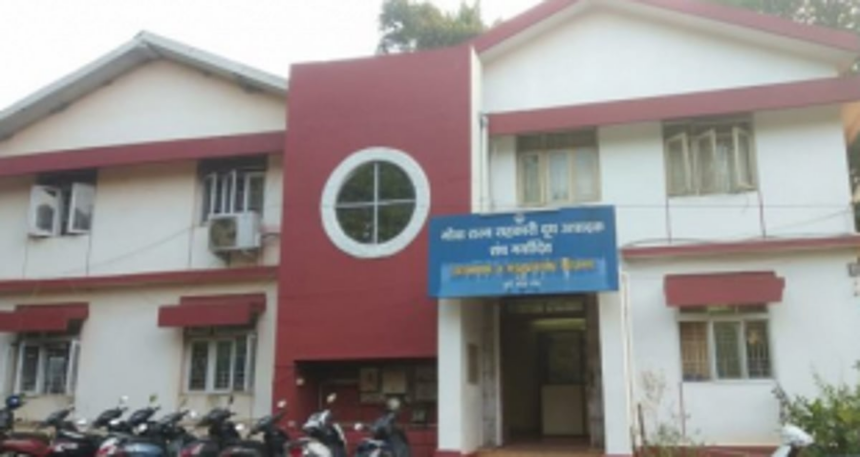
Goa Dairy, a cooperative that was showing a loss for the past years finally showed a profit of Rs 3.75 crore that the administrator appointed to run the affairs of the unit claimed was brought about by some adroit management. After an average loss of Rs 5 to Rs 6 crore in the past years, Goa Dairy, or the Goa State Cooperative Milk Producers Union, the administrator said had shown a profit and that Rs 1.5 crore had already been disbursed to farmers. The profit was made by adopting various practices and plugging loopholes and not by increasing product prices, said the administrator. Dairy farmers were quick to question this profit earning statement and a day later the administrator was replaced, and a new team appointed. The saga of the Goa Dairy has not ended, it has only taken a new turn.
For the past two years, after the then board of directors of the cooperative was dismissed following complaints of mismanagement in procurement of raw materials and machinery, the dairy was being managed, first by a single administrator and later a three-member team. The farmers want to take back control of the unit and fear that if the government’s hold on the dairy is not loosened soon, it could go the way of the Sanjeevani Sugar Factory. To avoid that the farmers want elections for a new board of directors that will be selected from among them and that they will run the daily affairs of the cooperative.

The claims and counter claims aside, if the cooperative had made a financial profit it is important, because a year ago, in January 2021, the 16,000-odd dairy farmers in the State had been worried about the future of the unit, specifically as it was running in losses. They had at that time demanded that an administrator be appointed to bring the milk and milk products producing unit back on track. The fear the farmers had voiced at that time was that if the situation would continue without any positive change, the fate of the cooperative would be similar to that of the Sanjeevani Sugar Factory. That fear has been voiced all over again, but there still remains a question of whether the cooperative did make a profit.
The farmers claim that government management of the plant has not succeeded in earning a profit and not increase the quantity of milk supplied. The latter is a valid claim as of Goa’s daily demand of 3.50 lakh litres, Goa Dairy produces around 60,000 of them. The rest come from other dairies, most situated outside the State. Interestingly, the administrator who was replaced had claimed that production had been scaled up to 90,000 litres a day. Since the claims are being contested and in the absence of audited accounts this cannot be verified, the new team of administrators should present the true picture of the dairy’s finances to the farmers. The board of directors was dismissed because of alleged mismanagement, the unit therefore has to be brought in line.
Simultaneously, Goa Dairy has to look forward and plan as to where it goes from here. It has to improve its performance consistently and show profit on an annual basis. The new team of administrators of the cooperative have a major task before them as. They have to ensure that Goa Dairy does not fall into its past ways of mismanagement and losses and so their role in the revival of the cooperative unit becomes very crucial. When Goa Dairy is handed back to the farmers to run, there should be systems in place wherein there can be no place for allegations and counter-productive measures that will only result in taking the unit backward.