In the past week the Goa Raj Bhavan has been in the news for reasons that are not usually associated with the Governor’s office. While the focus shifts to the Raj Bhavan whenever there is an important Bill that requires gubernatorial assent or when there is an upheaval in the local politics or when after elections the Governor has to call the leader of the largest party to form the government, the current incumbent of the Bhavan has quietly shown that he will not merely remain the rubber stamp that certain Governors prefer to be. But his interventions are very different from those of former Governor Satya Pal Malik.
During the week there were three things that emerged from the Raj Bhavan that tell us more about the incumbent then what his bio-data may have already revealed. First is bringing the Raj Bhavan under the Right to Information Act, a sign that the Governor is ready to have his actions scrutinised by the public and bring about transparency and accountability in the functioning of the office. It was a long battle waged to bring the office of the Governor under the Act, but that had been resisted by earlier Governors. Despite other Raj Bhavans and the Rashtrapati Bhavan coming under the purview of RTI Act the Goa Raj Bhavan, claiming that it is not a ‘Public Authority’, had not submitted itself to scrutiny under the Act. The change in stance also sends out the message to all government offices that none should resist coming under the RTI Act. This also settles an issue that has been referred to the Supreme Court.

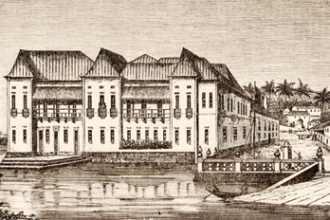
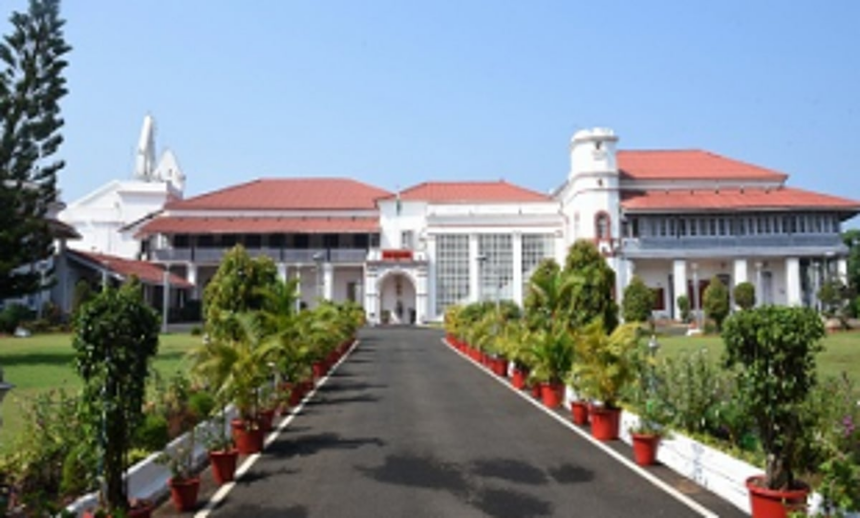
The other decision was reversing a decision of a former Governor over the construction of a new Raj Bhavan. Over a year ago, when the government had mooted the proposal for a new building for the Governor’s office and residence, then governor Malik had quickly turned it down stating that he didn’t see the need for it and that in the midst of the pandemic it was not required. The government view is that a new building was required because it was getting difficult to maintain the old heritage structure. However, with Goa’s finances squeezed tight – the government has been auctioning bonds quite regularly to raise funds – is a new Raj Bhavan building a pressing necessity or can it wait? The government must reconsider the new building project based on the soundness of its coffers. Besides, the Raj Bhavan will still have to be maintained for its heritage value.
The third decision was to disburse financial aid to 71 homes for the aged, orphanages and other such institutions. The Governor also declared that 71 persons would receive financial assistance from Raj Bhavan for dialysis treatment from the Governor’s Discretionary Fund. Rarely has such a move been made by Raj Bhavan, especially assistance of a financial nature to patients requiring dialysis or any other medical treatment. If the Governors have had at their disposal such a fund for what purpose has it been used in the past? Perhaps now that the Raj Bhavan has been brought under the ambit of the Right To Information Act, such questions may actually be answered. The Governor has past experience as he served in the same position in Mizoram before coming to Goa. The position is therefore not new to him. With elections months away, his biggest task will be when the votes are counted and what happens then.