More than 10 days after the declaration of Maharashtra Assembly election results, the Chief Minister’s appointment remains unresolved, and doubts about the integrity of Electronic Voting Machines (EVMs) continue to cast a shadow over the electoral process.
While the Supreme Court has rejected multiple petitions demanding a return to ballot paper voting, scepticism surrounding EVMs persists, fuelled by opposition leaders and citizens alike.

The latest episode in this controversy unfolded in Markadwadi, a village in Solapur’s Malshiras constituency, where locals staged an unconventional experiment to validate their suspicions about EVMs.
Dissatisfied with the election results and the perceived opacity of the process, they proposed a re-vote using ballot papers. Though the local administration ultimately quashed this initiative, the incident has drawn nationwide attention, spotlighting a growing crisis of faith in electoral systems.
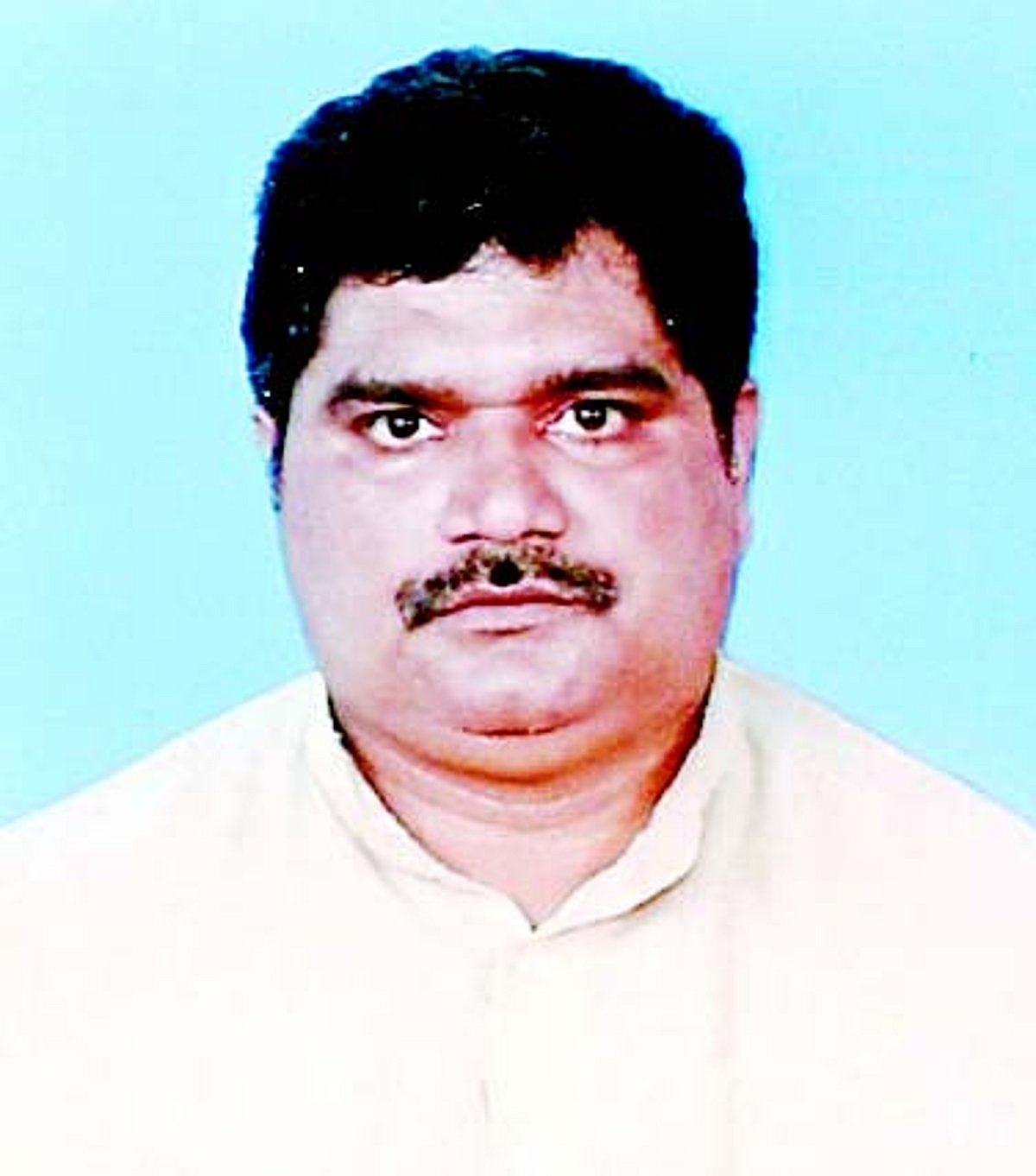
Markadwadi’s sarpanch, V G Markad, initially sought administrative support to conduct the ballot paper voting experiment. However, election officials rejected the request, citing the transparency of the completed process.
A subsequent withdrawal of the proposal did little to quell the controversy. Police deployment and curfew orders were imposed in the village, reflecting the sensitivity of the situation.
The losing candidates from Maha Vikas Aghadi (MVA) have been vocal about their concerns, demanding recounts and questioning EVM reliability. Notably, even the victorious Nationalist Congress Party (Sharad Pawar faction) candidate Uttam Jankar, who won the Malshiras seat, expressed dissatisfaction. Jankar’s supporters argue that his narrow victory margin of 13,000 votes fell significantly short of expectations, given his alliance with a prominent political rival, Vijaysinh Mohite-Patil.
Allegations arose that EVM irregularities might have contributed to this unexpected outcome.
Returning Officer Vijaya Bhangalkar dismissed these allegations, affirming that the election process in Markadwadi adhered to all transparency norms.
She emphasised that polling agents and counting agents raised no objections during or after the process. Yet, this official reassurance has not silenced critics, who point to broader inconsistencies across the State.
A particularly perplexing issue is the reported surge of 7.6 million votes between 5:00 pm and 11:30 pm on the election day — a historic spike that has gone unexplained. The Election Commission’s silence on this matter has only fuelled suspicions. Esteemed economist and commentator Parakala Prabhakar, who has highlighted these anomalies, described the discrepancies as “mystifying” and “disconcerting”.
Dr Prabhakar’s analysis in an interview to journalist Karan Thapar underscores the improbability of such a dramatic increase in turnout during the designated voting extension period.
For instance, he illustrated how even accommodating 1,000 voters per booth after the official closing time would require over 16 hours, assuming a one-minute voting process per person.
Yet, the additional votes were reportedly cast within a mere six and a half hours. This arithmetic disconnect demands an explanation, but the EC has remained conspicuously unresponsive, even to formal memorandums from concerned citizens.
The controversy over EVMs is not new, but the persistence of such issues threatens to erode public confidence in India’s democratic institutions. While technological advancements in electoral systems are intended to enhance efficiency and accuracy, their effectiveness is contingent on public trust. In Maharashtra, that trust appears to be waning.
The EC must address these concerns transparently and comprehensively. Public scepticism, if left unaddressed, could pave the way for demands to revert to less efficient methods like ballot paper voting. While the Supreme Court has rightly ruled out such regressions, the onus lies on electoral authorities to fortify trust in existing systems.
Elections are the cornerstone of democracy, and any doubt about their fairness undermines the legitimacy of governance. The EC’s reluctance to engage with critics or clarify anomalies is troubling.
As watchdogs of democratic integrity, they must proactively dispel doubts through clear communication, independent audits, and demonstrable improvements in electoral processes.
Markadwadi’s experiment may have been halted, but its message resonates: democracy thrives on trust, and transparency is its lifeblood. Maharashtra’s electoral authorities must rise to the occasion, ensuring that every vote and every voter’s faith in the system is upheld.