Entering 2021, we will have 2020 hindsight. The world as a collective has gone through a similar experience. 2020 was riddled with fear; sickness; economic distress; death and in many instances the failure of leaders. But this year was also about the value of creating and fostering a sense of community.
But we are getting ahead of ourselves.
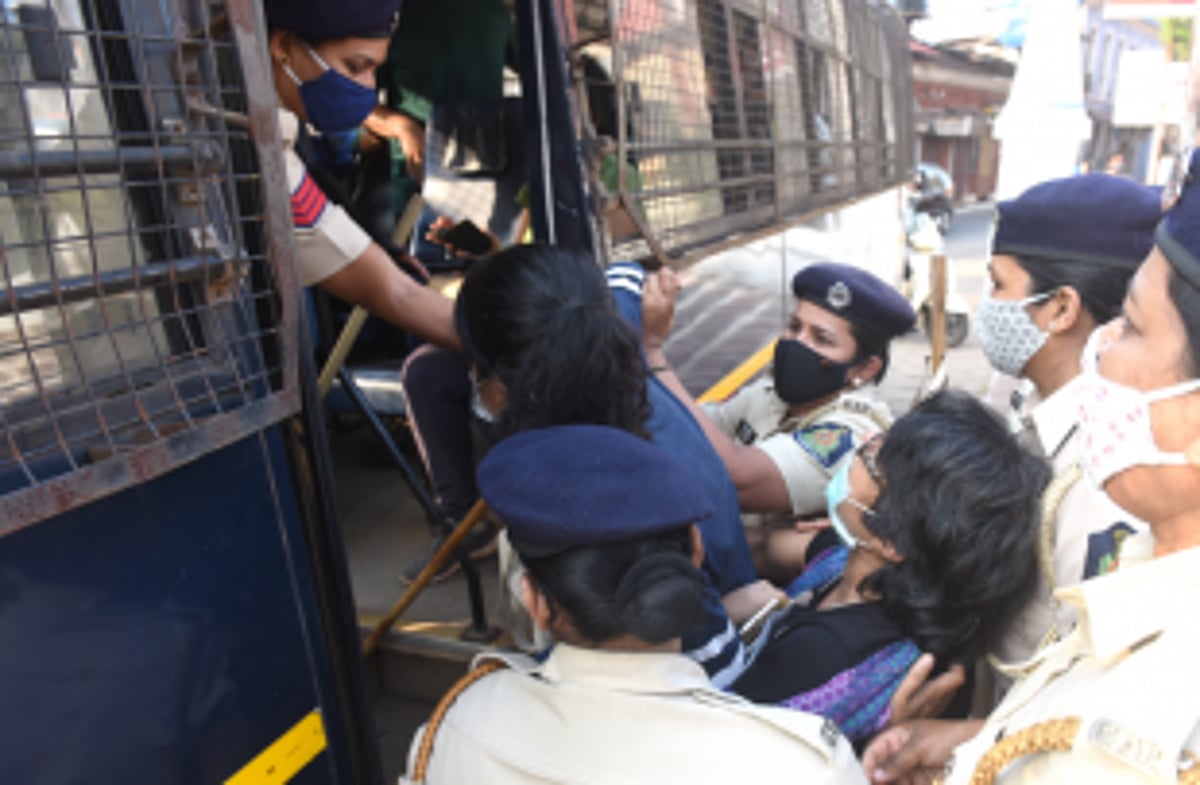
2019 ended on an ominous note as the Indian government planned to implement the Citizenship Amendment Act (CAA). However, citizens concerned with where the country was headed came together to protest the government’s plan. The media highlights the sense of community during festivals, but the sense of community that one felt in the anti-CAA protests was different, the scope of the vision that brought people together was urgent and far larger.
Globally, it was the community that came together to help those left personally and socio-economically bereft because of our leaders bungling of the covid crisis. In the US, the Black Lives Matter protest realigned what it meant to live in a community. In India, the farmers agitating against the Farm bills are once again proving the value of a community.
Forget our bumbling and bigoted leaders for a moment and let us focus on us – the common citizens and the value we bring when we are together.
The one thing that we should take with us from 2020 is not how our leaders failed us, but the strength of a collective that formed because of empathy.
What is a community? It is the outcome of the realisation of the pithy ‘many hands make light work’ and its many hues. A community offers cooperation and therefore enhances survival. For example, in the natural world, a lone lion hunting in the day has a successful kill rate of 17-19 per cent, but when they hunt in numbers, their kill rate increases to 30 per cent.
One of earliest forms of human communities were tribes. As the number of people within tribes increased similar vocations resulted in community subsets. Finally, there was religion that created communities.
It was much later that political philosophies like Marxism created communities espousing it, these crossed parochial boundaries of nation, race, and religion. Unfortunately, in this modern era the term ‘community’ has come to suggest exclusivity too, for example ‘Gated Community’.
But it is when there is empathy and altruism that one witnesses what a group of people or a community, even created for a short span of time, can achieve.
When daily wage earners and the poor were rendered unemployed and roofless because of PM Modi’s 4-hour warning before the national lockdown, citizens bandied together to form impromptu communities focussed on providing food, and shelter to them.
Replying to a parliamentary question, the Indian government stated that in 13 states and Union Territories NGO’s provided 50% of the meals to people during lockdown.
In the US, grassroot community organisations and food banks that have been at the forefront of providing nutrition to hundreds of thousands of Americans before Covid struck, have taken on the responsibility of feeding many more today. The article ‘Millions of hungry Americans turn to food banks for 1st time’ on the APNews website mentions heart breaking statistics from Feeding America, the country’s largest anti-hunger organisation. The organisation distributed “4.2 billion meals from March through October 2020. The organization has seen a 60 percent average increase in food bank users during the pandemic: about 4 in 10 are first-timers.”
But it was not only the Covid crisis that created communities or highlighted the value of NGOs. The Citizenship Amendment Act (CAA) also created a community of citizens concerned about the implications of such an Act. This was large group across the country common in purpose to prevent the government implementing their plan to deprive Indians of their right to call India their home.
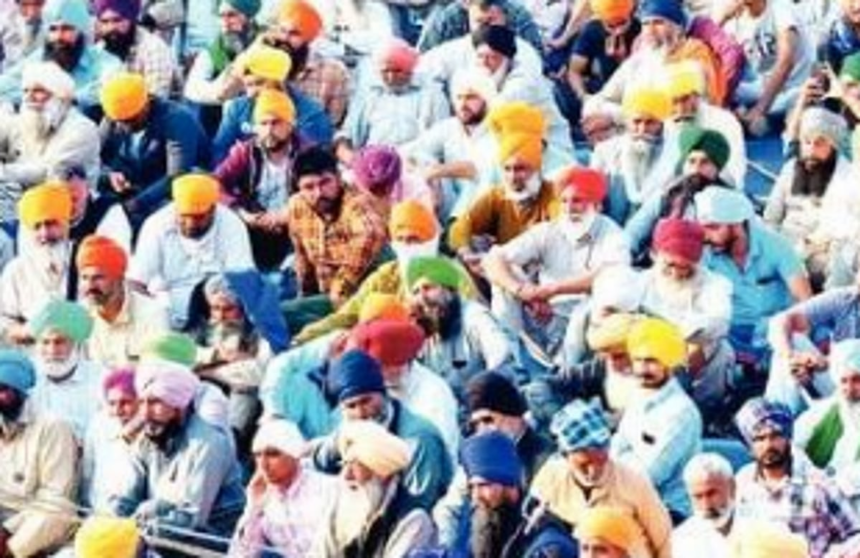
Today, another community is forming – those opposed to the Farm Bill. Those opposing this Bill are not only farmers, but lawyers because this Bill prevents farmers from access to legal recourse, and the common citizen who have been donating food and money to the cause. Besides the fight for their future, some from the community have also recognised those who are suffering at the hands of the government incarcerated in prison without a trial.
One cannot not mention other community formations like the gau rakshaks and those hellbent on creating a Hindu rashtra. They are a community too. What differentiates this community from others? For one, their scant respect for their nation’s plurality. If this community believes that the best of what they offer is to be used to bring others down, then one can be sure that there will come a time when they will turn on each other.
Unfortunately, it is only during a crisis that one breaks the shackles of the social subsets that we occupy. This is unfortunate as it limits our potential and ability to help others and improve the nation. Of course, not everyone is interested in doing that, and neither everyone can do as much as another. But as Margaret Mead said ‘Never doubt that a small group of thoughtful, committed, citizens can change the world. Indeed, it is the only thing that ever has.’
When Martin Niemöller wrote his post war confessional piece ‘First they came for the socialists, and I said nothing….’ it was looking at the cowardice of German intellectuals and clergy who remained silent against the Nazis. What he was decrying was the lack of empathy. 2020 teaches us the value of empathy and how it stands a nation in good stead.
(Samir Nazareth is an author )