By Chander Gupta
Few years ago, I bought new tyres for my modest old sedan. I had bought this car in 2008 and got the tyres replaced with new ones for the first time after 12 years. Expensive? You decide for yourself as I had to shell out Rs 3400/- a piece (inclusive of GST). When I looked at the invoice, I felt a bit of shock. The GST rate was 28%. The cost of the tyre was Rs2656/- and the amount of GST thereon Rs744/-. For the cost of 5 car tyres, I had to shell out Rs3720/- as GST! I never thought that car tyres were a luxury item to warrant a GST rate of 28%.

This particular experience of buying tyres evoked the memory of 18% GST that salons charge on haircuts. Another GST memory came to the fore. Around 6 years back I booked a hotel room online for my outstation travel. The room tariff was Rs 6999/- per night plus GST of 18%. I was a bit intrigued by this rate of 6999/- My enquiries revealed that it was to circumvent GST rate of 28% which was levied on room tariffs of Rs 7000/- and above. Goods and Services Tax (GST) is an indirect tax. Indirectly every citizen is contributing to national exchequer.
Once I bought soda bottles from a grocery store alongside other items. I made the payment with my card and without perusing the bill on the spot, I headed home with my merchandise and the printed invoice. At ease once home, I perused the invoice as I generally do. The soda was taxed at 40%. Aghast, I called the store for clarification as the maximum slab of GST was 28%. The store owner patiently enlightened me that there was 12% additional cess besides 28% GST on aerated drinks.
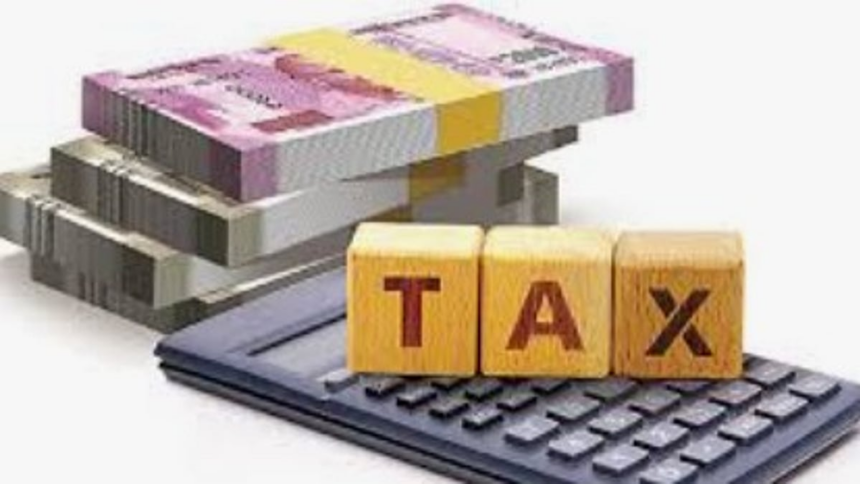
Unlike Income Tax, which is a Direct Tax, GST does not reflect in our PAN. We know how much Income Tax we pay in a fiscal year, but there is no mechanism to take credit for indirect taxes. Most of the Indians who pay more of indirect taxes than direct tax are oblivious of their contribution. Our telephone bills, both landline and mobile, are GSTed at 18%. GST is added to prices of almost all goods that we buy and services we avail. The average will come to around 20%. Mind you, liquor and petrol/ diesel are outside the purview of GST. Taxes on petrol/ diesel are actually much more than even the highest slab of GST i.e., 28%. These indirect taxes, which are levied when we go to spend, are in addition to the Income Tax that we pay on our income. The rate of income tax on taxable income from Rs 300001 to Rs 1500000 is upto 20% and the tax rate for income beyond Rs15 lacs is 30%. Middle class persons earning Rs. 100000 or more per month are paying approximately 50% of their income in taxes, direct and indirect. Even those whose incomes are low and not subject to income tax are contributing to tax kitty by way of GST/ VAT.
Generally, only those who pay income tax are called taxpayers. This is a misconception. All those who might be paying taxes through GST/VAT, not to forget toll-taxes, are also taxpayers.